



Teeth are not meant to handle constant pressure, especially during sleep. Yet many people wake up with sore jaws, sensitive teeth, or even headaches without knowing the reason. This is where a night guard becomes useful. It acts as a simple layer between your upper and lower teeth, helping reduce the effects of grinding or clenching that often happens at night without notice.
Many people in Plano deal with this issue quietly. It builds over time and only gets attention when discomfort starts to interfere with daily life. Understanding why it happens and how to manage it early can save both discomfort and dental costs later.
What a Night Guard Is
A dental device that is worn when sleeping is known as a night guard. It is normally composed of a soft or hard material and is molded to fit your teeth. Most are worn on the upper teeth, but there are instances when they may be placed on the lower teeth.
It works by creating a barrier between your teeth. The guard takes the pressure of your teeth instead of them pressing against each other. This lessens the pressure on teeth and jaw muscles.
The design is simple, and many people notice results quickly, particularly in individuals who clench their teeth regularly.
Who Typically Needs a Night Guard
A night guard is not necessary for everyone, but some indications make it more probable.
People who have had dental work often benefit from one. Repeated pressure at night can result in a faster wearing down of fillings, crowns, or veneers.
Patients with sudden tooth sensitivity without a definite cause can also be experiencing unnoticed grinding. The enamel gradually wears down, exposing deeper layers of the tooth.
Another definite indicator is jaw pain. When your jaw is tight in the morning or clicks, it could be because of the pressure that accumulates when you sleep.
Others do not know until a dentist identifies the wear pattern when they visit a dentist.
Causes Behind Nighttime Dental Pressure
Nighttime grinding rarely has a single cause. It is very commonly both physical and mental.

Stress
One of the most prevalent causes is stress. The mind remains in motion and this is reflected in the body even when asleep. The tension leads to a physical reaction of clenching.
Bite Imbalance
Another factor is bite imbalance. When teeth are not in position, the jaw might move in sleep to get a comfortable position. This movement can create pressure points.
Sleep Habits
It is also dependent on sleep habits. Unconscious clenching can be caused by poor sleep position or disturbed sleep patterns. Even something as simple as sleeping on your side can put strain on jaw.
How a Night Guard Protects Teeth
The main job of a night guard is to reduce contact between teeth. This alone can prevent a lot of damage.
When teeth grind directly, the enamel slowly wears down. A guard takes that impact instead, preserving the natural tooth surface.
It also helps distribute pressure more evenly. Instead of certain teeth taking all the force, the guard spreads it across the surface.
For people with dental work, this protection is even more important. Restorations are strong but not immune to constant force. A night guard helps extend their life.
Over time, this small device can prevent cracks, chips, and the need for further treatments.
Different Types of Night Guards
Night guards come in different forms, and each has a slightly different purpose.
Soft Night Guards
Soft night guards are designed out of pliable material. They are painless and easy to adapt to, making them a popular option for mild cases. Nevertheless, they can be worn out easily in case of heavy pressure.
Hard Night Guards
Hard night guards are constructed out of a hard material. They are stronger and more appropriate to individuals who grind a lot. Although they might not be very bending initially, they offer high protection.
Dual-Layer Night Guards
Dual-layer night guards combine both materials, with a soft inner layer for comfort and the exterior is tough. This balance makes them suitable for moderate cases when comfort and strength are required.
Custom vs Store-Bought Night Guards
There is a clear difference between custom and store-bought options. Store-bought guards are easy to find and cost less upfront. They are usually boil-and-bite, meaning you soften them in hot water and shape them at home. While convenient, the fit is often not exact.
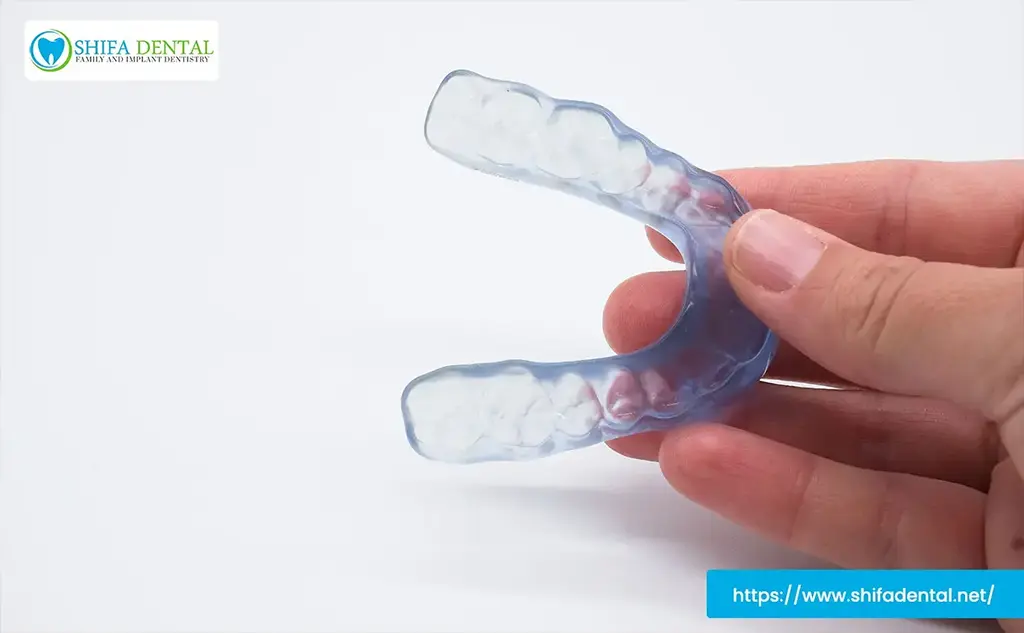
Custom night guards are made by a dentist using impressions of your teeth. This leads to a precise fit. They stay in place better and feel more natural during sleep.
Comfort is a big factor. A poor fit can cause irritation or even affect breathing. Custom guards reduce these risks.
Longevity also differs. Store-bought guards tend to wear out faster, especially for strong grinders. Custom ones are designed to last longer with proper care. In the long run, the right fit often makes a noticeable difference.
Why Shifa Dental in Plano Is a Good Choice
Choosing the right place for a night guard matters as much as the device itself.
Shifa Dental focuses on custom fitting, which means your guard is shaped specifically for your teeth. This improves comfort and makes it easier to wear every night without adjustment issues.
The materials used are selected for durability and safety. This reduces the chances of early wear or irritation, which can happen with lower-quality options.
Patient support is another strong point. You are guided through the process, from fitting to follow-up care. If adjustments are needed, they are handled quickly to ensure the guard continues to fit well.
This kind of attention helps make the treatment simple and effective instead of something you struggle to stick with.
Protect Your Teeth Before Problems Build Up
Ignoring early signs of grinding can lead to bigger issues over time. A night guard is a simple step that can prevent long-term damage and improve daily comfort.
If you are dealing with jaw tension, sensitivity, or worn teeth, it may be time to look into a custom solution. Shifa Dental in Plano offers options designed to fit properly and last longer.
Book a visit and take care of the problem before it turns into something more difficult to manage.
FAQs
Common signs include jaw soreness, worn teeth, and morning headaches. A dentist can confirm it during an exam.
It does not stop the habit but protects your teeth from damage and reduces pressure.
Custom guards can last several years with proper care, while store-bought ones may need frequent replacement.
There may be a short adjustment period, but a well-fitted guard should feel natural after a few nights.
Rinse it daily and use a gentle brush. Avoid hot water, as it can change the shape.