

Dental sealant vs filling is a choice between prevention and repair. A sealant coats suitable grooves so food and bacteria are less likely to settle there. A filling restores a tooth that already has a cavity. The right choice depends on an exam, not on age or how the tooth looks. At Shifa Dental in Plano and Garland, the dentist checks the surface, any decay, and whether the tooth can be kept dry.
Schedule an appointment and choose the Plano or Garland office before an address appears.
Key takeaways
- A sealant protects suitable grooves. A filling repairs a cavity. They are not substitutes.
- Children and teens often get sealants on new molars. Adults can too when the surface is sound.
- Sealants often last several years and are rechecked at visits. Fillings last by material, bite, and care.
- Many plans cover children’s sealants. Shifa Dental accepts most plans, including children’s Medicaid and CHIP. Confirm your own benefits.
- Plano and Garland both offer pediatric and preventive care. The dentist names the tooth and the reason before treatment.
What is the difference between a dental sealant vs filling?
A sealant is a thin coating on the chewing surface of a back tooth. Pits and grooves can trap food even when brushing is careful. The coating forms a barrier on that surface. It does not rebuild a tooth that already has a hole.
A filling is restorative. When decay has created a cavity, the dentist removes the affected part and restores the space. The goal is to return shape and function. A filling is not placed on every deep groove, and a sealant cannot repair an established cavity.
| What to compare | Sealant | Filling |
|---|---|---|
| Purpose. | Protect suitable grooves. | Restore a tooth with a cavity. |
| Tooth condition. | The surface is sound enough for prevention. | Decay or damage needs repair. |
| Typical steps. | Clean, dry, and coat the grooves. | Treat the affected area and restore it. |
| How long it may last. | Often several years, then rechecked. | It depends on the material and the tooth. |
| Follow-up. | Check that the coating is still intact. | Check the restoration and the tooth. |
The American Dental Association’s sealant guidance describes sealants as a barrier on pits and fissures. The same guidance says sealants can help prevent and arrest pit-and-fissure decay on molars in children and adolescents. A dentist still has to see the tooth before choosing prevention or repair.
Who may need a sealant in Plano?
Sealants are often considered when a child’s permanent molars erupt and the grooves are deep. Shifa Dental’s pediatric dentistry in Plano includes sealants, fluoride, exams, and tooth-colored fillings. Age alone does not decide. The dentist looks at the surface, whether decay is already present, and whether the area can stay dry during placement.
An adult in Plano can be a candidate too when a sound groove is hard to clean. A visible stain is not a cavity by itself. If the exam shows decay that needs repair, a sealant alone is not the plan. Families can also read the practice’s pediatric dentist guide for Plano and ask which visit fits the child.
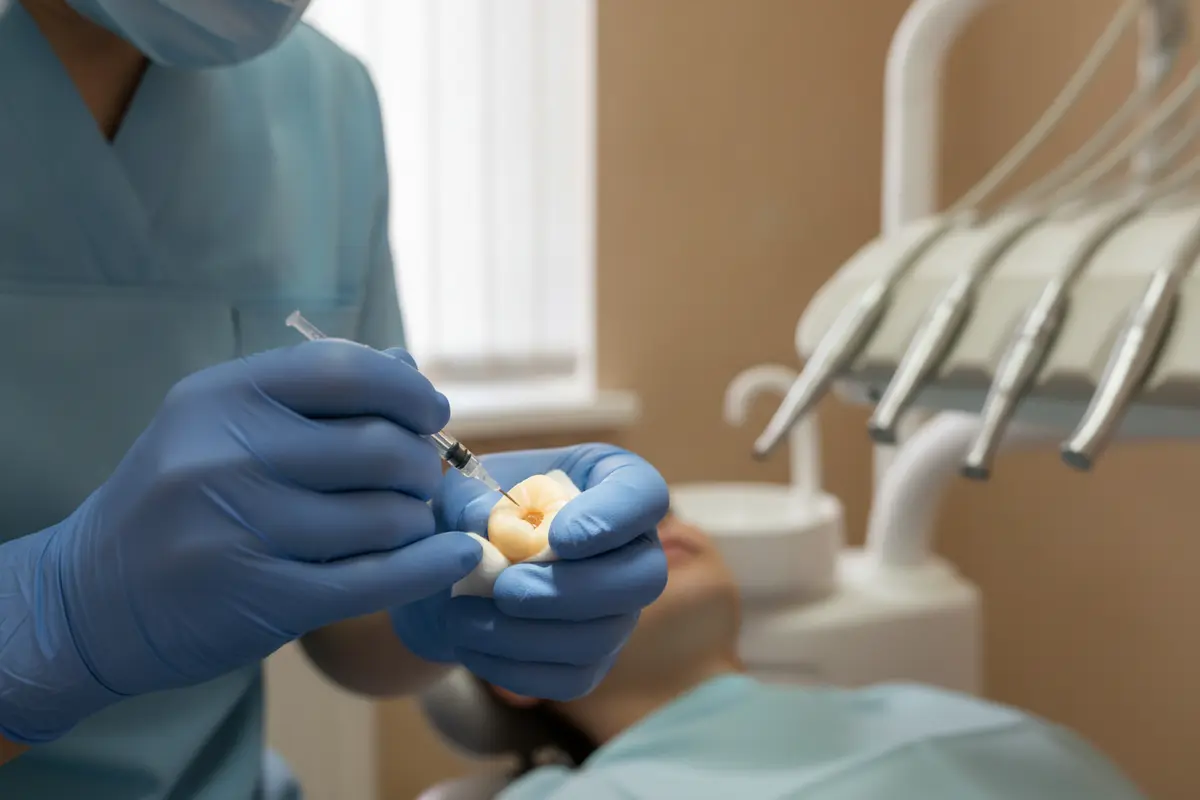
The University of Texas Health Science Center at Houston School of Dentistry explains that sealants protect susceptible areas by sealing grooves. That supports prevention, not use as a repair. Read the school’s tooth decay prevention information.
When might a filling be recommended in Garland?
A filling may be recommended when an exam finds a cavity that needs repair. X-rays are used when they add information. A dark spot by itself does not prove a filling is needed. Early changes do not all call for the same treatment.
Size and location matter. The dentist considers how much healthy tooth remains, whether the decay is reachable, and whether the tooth hurts. More extensive damage may need a different restoration. Shifa Dental’s pediatric dentistry in Garland includes cavity care and fillings as well as sealants. Ask the dentist to name the tooth and the finding behind the plan.
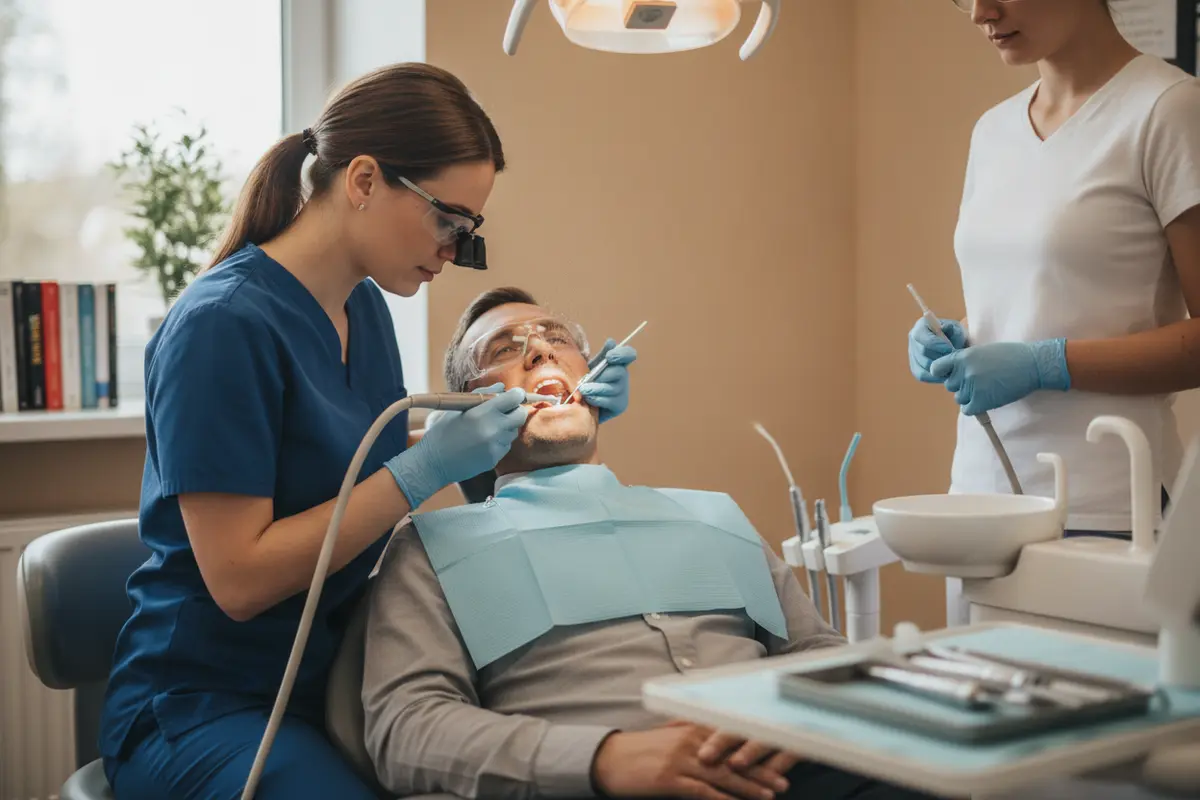
The practice’s guide to types of dental fillings and their pros and cons can help you prepare material questions. It cannot decide which treatment your tooth needs.
How long do sealants and fillings last?
The ADA MouthHealthy sealant page says sealants will often last for several years before they need to be reapplied. At a regular visit, the dentist checks the coating and can reapply it if needed. A sealant can chip or wear. It protects the covered surface, not every part of the tooth. How long one stays intact depends on the tooth, the bite, and home care. Do not treat a multi-year range as a guarantee.
Fillings do not share one lifespan. The ADA review of direct restoration materials says longevity varies by material and by the patient. In the studies it summarizes, posterior composite restorations have shown survival around 90 percent at about 10 years in one review, with other reports extending much longer in selected cases. Glass-ionomer materials are often used in children’s teeth and have their own survival data, including shorter study windows. Amalgam has a long record of durability, but the material your dentist offers depends on the tooth and current practice options.
Those figures are study results, not a promise for a tooth at Shifa Dental. Bite force, grinding, the size of the repair, and daily cleaning all change the outlook. Ask which material is proposed and what signs should prompt a recheck.
Does insurance cover children’s sealants?
Many dental plans cover sealants for children, often on permanent molars, but benefits differ. The ADA MouthHealthy page says some plans cover sealants and tells families to ask the benefit company what is included. A plan may limit age, which teeth, and how often a sealant can be replaced. Coverage for a filling is a separate benefit and usually depends on the tooth and the material.
Shifa Dental accepts most insurance plans, including children’s Medicaid and CHIP for eligible pediatric patients. That acceptance does not mean every plan pays for every tooth or every visit. Patients need to verify their own policy. The office can help with benefit questions and claim filing, and it quotes costs before treatment. Children’s Medicaid and CHIP are not adult benefits, and no article can tell you what your plan will pay.
Here is a made-up example, not a Shifa Dental fee or a plan payment. Suppose a plan lists a child’s sealant and pays preventive care at 100 percent after you confirm the tooth is eligible. Your share for that sealant could be $0. Suppose the same plan pays 80 percent of a basic filling and the allowed amount is $200. Your share would be $40, before any deductible. If the tooth is not eligible, or the deductible is not met, the math changes. Ask the office for an estimate after your plan is checked.
What happens during each procedure?
Sealant placement
The tooth is cleaned and kept dry while the material goes on the grooves. The clinician places it and lets it set for that material. The visit does not remove a cavity. If the tooth cannot stay dry, or it needs other care, the dentist may change the plan or the timing. Placement usually follows four steps.
- The tooth is cleaned.
- The surface is kept dry.
- The coating is placed on the grooves and allowed to set.
- The dentist checks the bite and the edges.
For a child, the team can explain each step in simple words and help the child stay still. Parents can ask whether the molar has erupted enough to reach and whether the child can cooperate. If several teeth are considered, ask why each one qualifies. A newly erupted molar is not an automatic yes.
Filling placement
For a filling, the dentist treats the affected area and restores the prepared space. Steps depend on the tooth, the decay, and the material. Ask whether a local anesthetic is planned and what short-term sensitivity can feel like. Not every filling uses the same technique.
If you are unsure why a filling was suggested instead of watching the tooth, ask for the exam finding in plain language. Ask whether an image was taken and what it adds. A useful answer connects that tooth to the next step.
Can a sealed tooth still develop decay?
Yes. A sealant covers selected grooves. Decay can start on other surfaces, and a coating can wear or chip. Brushing with fluoride toothpaste, cleaning between teeth, limiting frequent sugary snacks and drinks, and routine visits still matter. At follow-up, the dentist checks the sealant and decides whether repair or replacement fits.
Keep exams even when a child has sealants and no pain. Early decay may not hurt. Shifa Dental’s overview of regular dental checkups explains why exams stay part of prevention. A checkup is also when the team sees whether the coating is still present.
What factors can change the recommendation?
The same groove can lead to different choices. Depth, whether decay is present, how much tooth remains, the tooth’s position, and the patient’s history all matter. The dentist also considers whether the area can be kept clean. That is why age or appearance cannot settle the question.
Sometimes the next step is neither a sealant nor a filling. If a change is early and does not need restoration, the dentist may suggest prevention and monitoring. A monitoring plan should name the tooth, the changes that matter, and when it will be seen again. If decay has become a cavity, waiting can let it worsen. Ask what is known now and what waiting could mean.
Report pain with chewing, sensitivity to cold or sweets, food getting caught, or any change you noticed. Say when it started and whether it comes and goes. If a child cannot describe discomfort, share changes in eating, brushing, or sleep. Those details help the visit, but they do not replace an exam. For questions about a child’s symptoms, see Shifa Dental’s guide to tooth pain in children.
What should you ask before deciding?
Ask the dentist to name the tooth and say whether the plan is preventive or restorative. Useful questions include:
- Is there a cavity, or is this meant to prevent one?
- What did the exam or X-ray show?
- Could the tooth be watched or protected another way, and what are the tradeoffs?
- If a filling is needed, which material and steps are proposed?
- When should the tooth, and any sealant, be checked again?
For a child, ask how eruption and cleaning affect the plan. For an adult, mention past fillings, sensitivity, dry mouth, or other history. Confirm coverage with the insurer and ask the office for an estimate before treatment. You can also ask what happens if nothing is done today, and how to request records if you want another opinion.
How can families help protect teeth between visits?
Daily care matters whether the visit ends with a sealant, a filling, or no procedure. Brush twice a day with fluoride toothpaste, help young children as needed, and clean between teeth. For children younger than 3, use no more than a rice-grain smear of fluoride toothpaste. From ages 3 to 6, use a pea-sized amount, with an adult watching. Those amounts follow usual pediatric guidance and should still match what your dentist recommends. A sealant does not replace those steps.
A morning and bedtime routine helps children remember. Parents can assist until a child can clean every surface. Ask the team to show how to reach back teeth if the grooves are hard to brush. Frequent sipping of sweet drinks raises acid exposure. Water between meals helps, but no single habit guarantees a cavity-free tooth. Shifa Dental’s preventive dentistry services include sealants, fluoride, cleanings, and coaching for home care.
How do follow-up needs differ?
After a sealant, later visits check whether the coating is still there and intact. If part is missing, the dentist decides whether to repair or replace it. Tell the office about a rough edge or a change you can feel. Do not try to fix it with a household product.
After a filling, follow the instructions for that restoration. Some people notice brief sensitivity. Call if discomfort persists or gets worse, if the bite feels uneven, or if the filling feels loose or chipped. Note when a symptom started and what sets it off.
For either treatment, keep a record of which tooth was treated. If a child changes offices, that history helps the next dentist. If the plan is unclear, ask for the tooth’s location in plain language and whether the next visit is routine or sooner.
Visit Shifa Dental in Plano or Garland
Shifa Dental is a family and cosmetic practice with two offices. The Plano office is at 5509 Pleasant Valley Dr #90A, Plano, TX 75023. The Garland office is at 1918 N Plano Rd, Garland, TX 75042. Staff can help in English, Urdu, Punjabi, Telugu, Kannada, and Spanish. Hours differ by office and can change, so confirm the day’s schedule when you book. Service listings do not promise a specific clinician or procedure on a given day.
The practice offers a free second opinion for specialized care such as dental implants, braces, and root canals. If you were told you need one of those services, you can ask for that consultation. A sealant or filling decision still starts with an exam of the tooth. It is not the same offer as a specialist second opinion.
Choose the office that fits you. Start from the Plano office page or the Garland office page, then schedule an appointment and pick that office before an address appears. Tell the team whether a child has a new molar, a tooth already hurts, or another dentist has named a cavity. Related reading includes the teeth cleaning guide for Plano and Garland, the guide to dental X-rays, and common questions about cavities.
Frequently asked questions
Do sealants hurt?
Placement usually does not need a shot or drilling, because the dentist is coating a sound surface, not removing a cavity. The tooth must stay dry, so a child may feel pressure from the isolation step. If the tooth cannot be kept dry or already needs other care, the plan can change. Tell the team if your child is anxious so they can explain each step.
How much do sealants cost?
Shifa Dental does not publish a single sealant fee, because the number of teeth and your plan change the estimate. The office quotes costs before treatment. Many children’s plans cover eligible sealants, and children’s Medicaid or CHIP may apply for eligible pediatric patients. Ask for an estimate after your benefits are checked. That figure is not a guarantee of coverage.
Does insurance cover sealants?
Some plans cover sealants, especially for children on permanent molars. Limits on age, teeth, and replacement are common. Shifa Dental accepts most plans, including children’s Medicaid and CHIP. Confirm your own benefits before the visit. Adult sealant coverage is often different from a child’s benefit, and a filling is billed under its own rules.
Can a sealant be placed over a cavity?
A sealant protects suitable grooves. It does not repair an established cavity. The ADA notes that sealants can help stop early, noncavitated pit-and-fissure lesions on the sealed surface. A dentist still has to judge whether the spot is early enough for that approach or whether it needs a filling.
Are sealants only for children?
No. They are often considered for children’s permanent molars. A dentist may also suggest one for a teen or an adult when the groove is sound and hard to clean. Shifa Dental offers sealants as part of preventive care in Plano and Garland after an exam.