

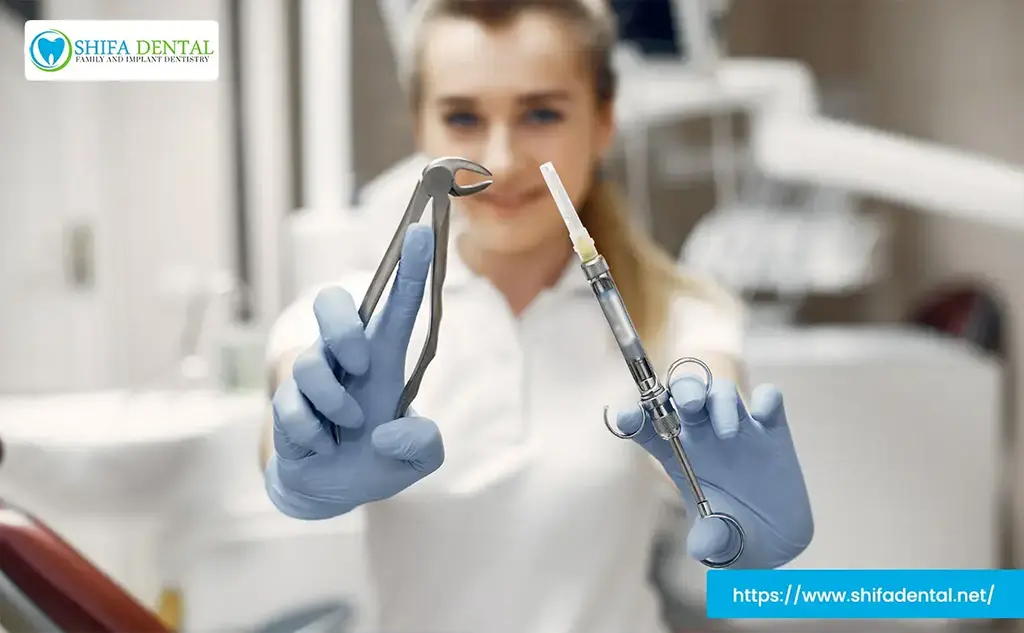
Oral health problems can sometimes go beyond a simple dental oral exam. There are cases where teeth, gums, jaw structure, or facial injuries need surgical attention. This is where an oral surgeon comes in. A good oral surgeon does much more than perform procedures. They bring careful judgment, steady hands, clear communication, and a strong focus on patient safety. The difference between an average outcome and a successful one often comes down to the surgeon’s skill and approach.
Education and Clinical Training
A strong educational background is the foundation. Oral surgeons undergo years of dental education and additional surgical education. This training is not restricted to theory. It involves practical work in hospitals and clinics where actual cases are worked on under guidance.
An oral surgeon is a lifelong learner who continues to learn after formal education. The medical practice evolves, and new approaches emerge. They stay up to date with regular training, certifications, and case reviews. This lifelong learning is one of the major indicators of professionalism and patient care responsibility.
Precision and Control of the Hand
Oral surgery is usually characterized by small areas that have delicate structures. The nerves, blood vessels, and the bone are all closely located in the mouth and the jaw. Even a minor mistake may cause inconvenience or problems.
A good oral surgeon is characterized by a steady hand and attention to detail. Each cut, stitch, or movement is thought out. They do not rush procedures. Rather, they are concerned with accuracy and control, which results in safer results and easier healing of the patients.
Effective Interaction with Patients
An excellent oral surgeon understands that the majority of patients are nervous prior to surgery. Good communication will minimize fear and confusion. They give information on what will occur, why, and how the recovery might appear before any procedure.
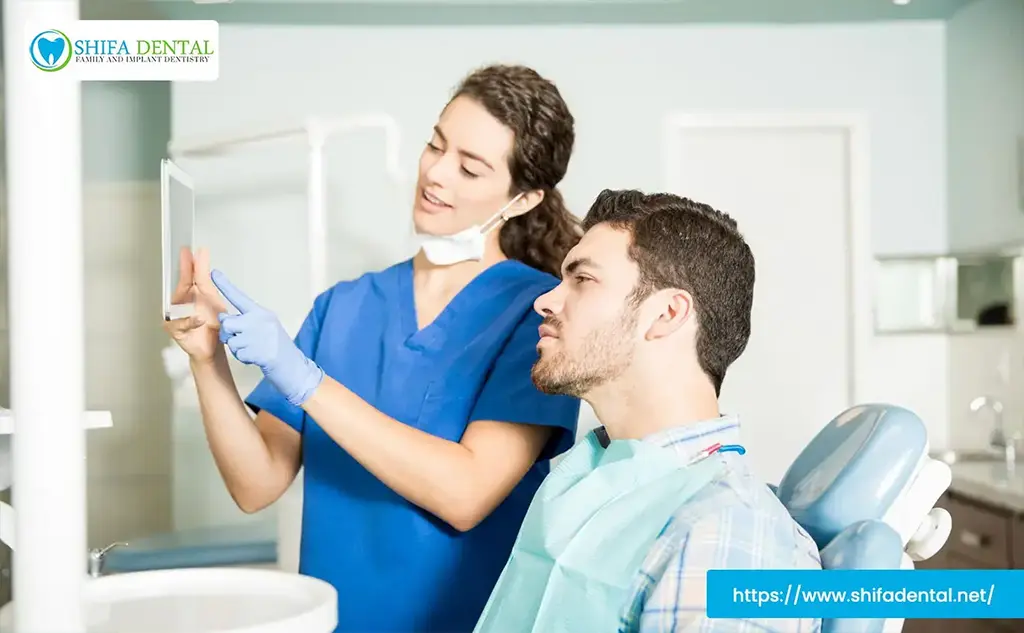
They also listen. Patients usually have questions or issues, and they should be addressed. When a surgeon takes time to answer in simple words, it builds trust. This confidence makes patients feel more at ease and ready.
Emphasis on the Safety of Patients
Oral surgery is always concerned with safety. A good oral surgeon adheres to high standards of hygiene in each procedure. Sterilized tools, clean operation areas, and proper protective measures are not optional. They are standard.
They also check the medical history of a patient keenly prior to any procedure. Treatment decisions can be influenced by such conditions as diabetes, heart problems, or allergies. These details are not overlooked by a good surgeon. They instead employ them in planning safer procedures.
Pain Control and Comfort
One of the greatest fears of patients is the fear of pain. An oral surgeon is aware of this and tries to alleviate pain to the maximum. They apply the latest techniques of anesthesia and select the appropriate degree of sedation depending on the operation and the health of the patient.
They also provide patients with information on how to cope with pain at home after surgery. This can involve medication information, cold compresses, or diet. The idea is to ensure recovery is made easier without any needless stress.
Complex Case Decision Making
Not all cases are simple. Other patients need to have their teeth extracted, their jaws straightened, or their post-accident treatment. Decision-making is very crucial in such circumstances.
An expert oral surgeon analyses the issue and then takes action. They can employ scans, X-rays, and other diagnostic measures to have a complete picture of the condition. On this, they make a decision on the safest and most effective approach. Experienced surgeons and beginners frequently differ in judgment in complex cases.
Use of Modern Dental Tools and Methods
Modern oral surgery is heavily dependent on technology. Digital imaging, 3D scans, and sophisticated surgical tools are useful in enhancing accuracy.
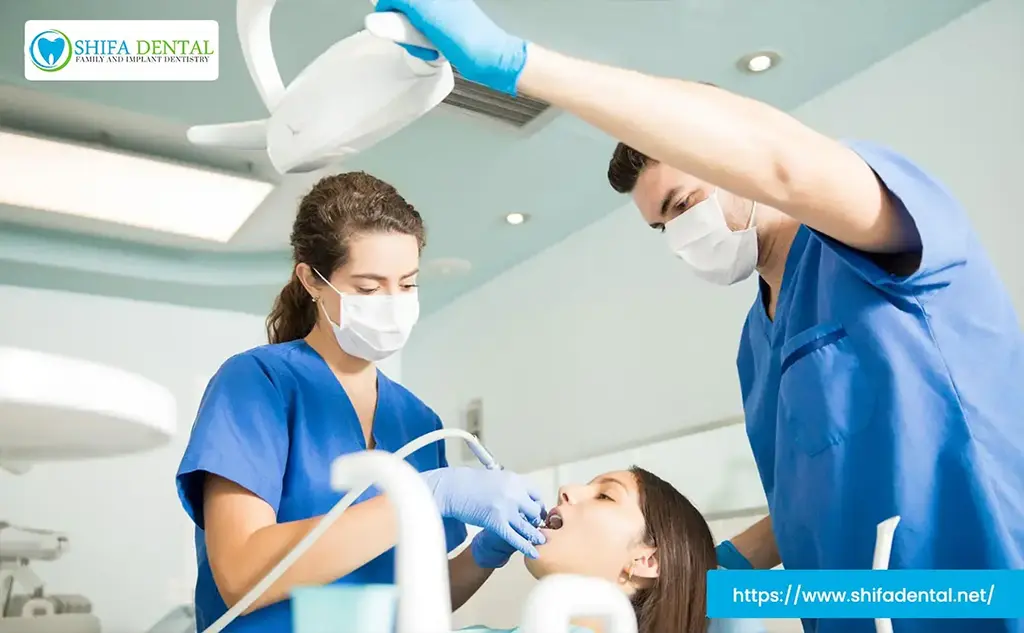
A skilled oral surgeon knows how to use these tools effectively. But technology is not sufficient. It is in the combination of experience and these tools that the real value is created to enhance results. A moderate solution will guarantee superior planning and less risky processes.
Guidance and Follow-Up Care
Surgery is not over with the completion of the procedure. Recovery is an important part of the process. An oral surgeon is a good one who will give clear guidelines on how to heal, including diet, cleaning, and limitations.
Follow-up visits are noteworthy as well. These are used to check the progress of healing and identify any early problems. Follow-up care will minimize risks and help in a more comfortable recovery.
Experience with Different Patient Needs
Every patient is different. Age, medical condition, anxiety levels, and dental history all vary. A good oral surgeon adjusts their approach based on each case.
For example, younger patients may need more reassurance, while older patients may need careful planning due to existing health conditions. Experience helps the surgeon handle these differences with confidence and care.
Teamwork with Dental Professionals
Oral surgeons often work with dentists, orthodontists, and other healthcare staff. Good teamwork ensures that treatment plans are well coordinated.
When communication between professionals is strong, patients benefit from smoother treatment processes. A good oral surgeon respects this team approach and contributes clearly to shared goals.
Ethical Practice and Honesty
Ethics matter in medical care. A good oral surgeon does not recommend unnecessary procedures. They focus on what is truly needed for the patient’s health. They also remain honest about risks, success rates, and recovery time. This honesty helps patients make informed decisions without pressure or confusion.
Trust also grows when patients feel their care is consistent over time. A good oral surgeon stays available for follow-ups and makes sure concerns are addressed even after the main procedure is done. This ongoing attention helps patients feel more secure and confident in their treatment choices.
Why Shifa Dental is a Trusted Option?
In many places, patients look for clinics that combine skilled professionals with a calm and supportive environment. Shifa Dental is one example where oral surgery services are provided with attention to patient comfort and safety.
The clinic focuses on clear communication before procedures, careful planning for each case, and proper aftercare support. Patients are guided step by step, from consultation to recovery. This helps reduce uncertainty and builds confidence in the treatment process.
Shifa Dental also places importance on hygiene standards and modern tools, which support safe and accurate procedures. For people dealing with tooth extractions, jaw issues, or other surgical dental needs, such a setting can make the experience more manageable.
Final Thoughts
A good oral surgeon is not defined by one skill alone. It is a combination of education, precision, communication, safety focus, and patient care. When all these qualities come together, patients receive treatment that is both safe and effective.
If you are dealing with dental issues that may require surgery, choosing the right professional is an important step. Clinics like Shifa Dental offer structured care and experienced support that can guide you through the process with confidence.
Booking a consultation is often the first step toward solving a long-standing dental concern. Taking that step early can help prevent future complications and support better oral health over time.
FAQs
Oral surgeons commonly perform wisdom tooth removal, dental implant placement, jaw surgery, bone grafting, and treatment of facial injuries.
If your treatment involves complex extractions, jaw problems, impacted teeth, or oral surgery, your dentist may refer you to an oral surgeon.
Yes. Many oral surgeons offer sedation options and take extra steps to help patients feel relaxed before and during treatment.
You can ask about treatment options, recovery time, potential risks, sedation choices, and expected results.
Aftercare is essential because it supports healing, reduces the risk of complications, and helps ensure the best possible outcome.