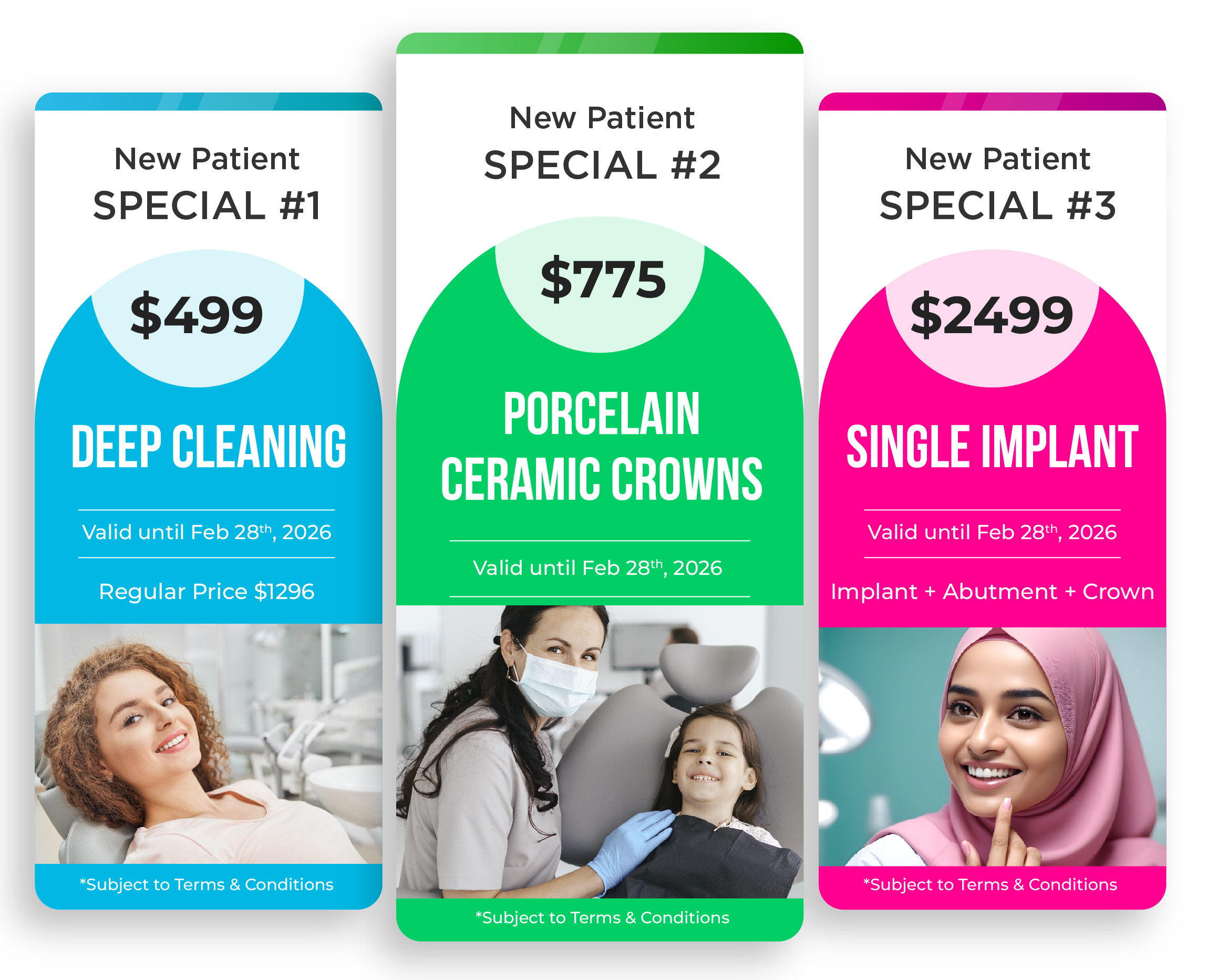


Missing a tooth can change everyday activities. You might avoid certain foods, feel uncomfortable smiling in photos, or find yourself chewing on one side. Dental implants in Plano TX can offer a long-term way to replace missing teeth by supporting a natural-looking replacement tooth and helping restore everyday function.
Patients can discuss tooth replacement options at Shifa Dental based on their budget, goals, and oral health. While they may not be the best option for everyone, dental implants may be worth considering if you want a replacement that feels stable and doesn’t rely on nearby teeth for support. Start by understanding how implants work, what the procedure involves, and how to protect your results.
Start by understanding how implants work, what treatment involves, and how to protect your results.
Key Takeaways
- Dental implants replace missing tooth roots with small posts placed in the jawbone.
- Implants can help restore chewing ability and support a natural-looking smile.
- Healthy gums and sufficient jawbone are important factors in implant treatment.
- Same-day implant treatment may be possible for selected patients, but it doesn’t always mean the final tooth is placed that day.
- Shifa Dental can help patients discuss their tooth replacement needs and choose the options that suit them.
Who May Be a Good Candidate for Dental Implants?
Not everyone with a missing tooth needs the same treatment. Some patients may need further treatment before proceeding, while others may have healthy gums and enough jawbone for implant placement. Your dentist will examine your gums, evaluate your dental history, and determine how much bone is available to support the implant if you are thinking about getting dental implants in Plano TX. Imaging may also be needed to understand the location of adjacent nerves and other anatomical structures.

You may be a potential candidate if:
- You have one or more missing teeth.
- Your gums are healthy or any gum disease has been treated.
- You have enough jawbone to support an implant, or bone grafting may be an option.
- You can maintain good oral hygiene.
- You understand the treatment timeline and follow-up requirements.
Healing or implant success may be impacted by certain medical conditions, smoking, certain drugs, and a history of gum disease. Though they should be discussed with your dentist, these issues do not necessarily rule out treatment.
Before implants are placed, the region may be rebuilt with the aid of bone grafting. This isn’t always necessary and can extend treatment time and increase cost. Your dentist can explain whether grafting or another tooth replacement technique is more appropriate.
How Much Do Dental Implants Cost in Plano, TX?
Dental implant costs vary depending on the patient. Compared with a full-arch restoration or a case that needs bone grafting, a simple single-tooth replacement typically requires fewer parts and procedures.
The implant post, abutment, crown, evaluation, imaging, surgical placement, and follow-up sessions may all be included in the overall cost. Some treatment plans list these items separately, while others combine them into a single quoted price.
Factors that can affect your total cost include:
- The number of implants needed.
- The type and material of the replacement teeth.
- Whether tooth extraction is required.
- Whether bone grafting or other preparatory treatment is needed.
- The complexity of your case and the type of restoration selected.
Dental insurance coverage varies. Some plans cover certain parts of implant treatment, such as the crown or extraction, while others offer limited or no implant benefits. Ask your insurer for a written estimate of your benefits before scheduling treatment.
Look behind the advertized starting price when comparing Dental Implants Plano TX companies. Ask for an itemized quote and confirm whether follow-up appointments, temporary teeth, and other necessary procedures are covered.
How to Care for Dental Implants After Treatment
Although implants don’t have cavities, the surrounding bone and gum tissue may become infected or irritated. If left untreated, a disease known as peri-implantitis can harm the supporting bone and endanger the implant.
Many everyday care routines are easy. No complex process is necessary; consistency matters most. Follow these practical steps:
- Brush twice a day: Use a soft-bristled toothbrush and fluoride toothpaste to clean your natural teeth and the areas around your implant.
- Clean between your teeth daily: Use dental floss or an interdental cleaner your dentist recommends.
- Follow your post-operative instructions: Avoid disturbing the surgical site and follow any dietary restrictions during early healing.
- Attend routine checkups: Professional examinations help your dental team monitor the implant, gums, and surrounding teeth.
- Avoid smoking: Smoking can interfere with healing and increase the risk of implant complications.
- Report unusual symptoms: Don’t ignore persistent swelling, bleeding, pain, or a loose restoration; have your dentist check it.
Once your implant has healed, you can generally return to your usual eating routine, as your dentist directs. You may still need to be careful with hard foods, especially if you have a history of grinding your teeth or damaging dental restorations.
Why Discuss Dental Implants With Shifa Dental?
Selecting a tooth replacement process entails more than just identifying a gap-filling technique. You must be aware of your alternatives, the overall cost, and the post-operative care that will be needed.

To discuss your missing tooth and explore treatment options, Shifa Dental can be a good place to start. During your appointment, learn how your dental health affects your eligibility for implants and whether a bridge or denture could also benefit you.
Before proceeding, make sure you understand:
- Which treatment your dentist recommends and why.
- Whether imaging or additional procedures are needed.
- How long healing is expected to take.
- What your treatment estimate includes.
- How the implant and replacement tooth will be maintained over time.
Clear answers can help you decide based on your needs, not pressure to choose a particular procedure.
Take the First Step Toward Replacing a Missing Tooth
You don’t have to live with a gap in your smile or an awkward bite because you lost a tooth. For many people, dental implants offer a stable replacement; however, the best option depends on your jawbone, gum health, medical history, and financial situation.
Start with a dental checkup and an open conversation about your options if you’re considering dental implants in Plano, Texas. Shifa Dental can help you determine whether implants are a good option for your smile, learn about potential treatment options, and explore the next steps. Replacing a tooth isn’t the only goal. The goal is to find a solution that works for your everyday life and is feasible to maintain over time.
FAQ’s:
Dental implants can last many years, and some remain functional for decades. Their longevity depends on factors such as gum health, oral hygiene, smoking, bite forces, and regular dental care.
The procedure is usually performed with local anesthesia, so you shouldn’t feel sharp pain during placement. Tenderness, swelling, and discomfort can occur afterward, especially during the first few days. Your dentist can explain suitable pain-management options and when symptoms should be checked.
Possibly. A long-standing gap doesn’t automatically prevent implant treatment, but the jawbone may have shrunk since the tooth was lost. An examination and appropriate imaging can help determine whether an implant is feasible or whether bone grafting or another treatment is needed.
Not necessarily. Same-day placement or temporary teeth can reduce the number of separate treatment visits for selected patients, but it isn’t suitable for everyone.
If you’re searching for dental implants near me in Plano, TX, start by finding a dental practice that can assess your oral health, explain your treatment options, and provide a clear cost estimate.