

A Smile Makeover in Garland TX is a personalized plan that brings together cosmetic or restorative dental care to address concerns such as discoloration, chips, gaps, uneven edges, or worn teeth. The right combination depends on an in-person exam, your oral health, your preferences, and how your teeth fit together—not on a one-size-fits-all package. If you are weighing appearance, comfort, and time, a consultation can help you understand which options are appropriate and what can be staged around your schedule. Shifa Dental serves patients at its Garland office and welcomes people from nearby Rowlett, Sachse, Mesquite, Richardson, and other North Dallas communities. The goal is to make informed choices that look natural and support a healthy, functional smile.
What can a smile makeover in Garland, TX include?
A smile makeover is a coordinated set of choices intended to improve the appearance of your smile while respecting oral health and function. The word “makeover” can sound like a dramatic transformation, but treatment may be modest: sometimes a professional cleaning and whitening conversation are enough. Other people may benefit from addressing several concerns, such as tooth shape and color, spacing, old dental work, or gumline appearance. Your dentist can explain what is cosmetic, what is restorative, and whether any problem should be treated before elective changes.
The plan is personal because smiles differ in tooth shade, shape, facial proportions, bite, gum health, and previous dental work. Your preferences matter too. Some patients want a subtle refresh; others want to discuss more visible changes. A thoughtful plan should preserve healthy tooth structure wherever possible and give you a realistic preview of what each option can and cannot change.
Which concerns can cosmetic dentistry address?
Patients often seek advice about one or more of the following:
- Stains or overall darkening: Professional or dentist-guided whitening may brighten natural teeth after the cause and health of the teeth have been assessed.
- Small chips, uneven edges, or minor gaps: Tooth-colored composite bonding can reshape selected areas without the same process used for full-coverage restorations.
- Shape or color concerns affecting visible teeth: Veneers are thin, custom coverings bonded to the front surfaces of teeth. Suitability depends on the tooth, bite, and amount of enamel available.
- Crowding, spacing, or alignment concerns: Orthodontic treatment, including clear aligners or braces, may move teeth rather than disguise their positions.
- Teeth weakened by damage or extensive previous treatment: A crown or another restorative option may be considered when there is a clinical reason to protect or rebuild a tooth, rather than simply to change its appearance.
- Uneven gum display: A dentist can assess the gums and discuss whether any periodontal or other care is appropriate.
These options are not interchangeable. A veneer may change the visible surface, while orthodontics changes tooth position. A crown covers and protects more of a tooth and is generally considered when its condition calls for restoration. The examination helps identify the least invasive approach that can reasonably meet your goals.
How does planning a smile makeover work?
What happens during the initial consultation?
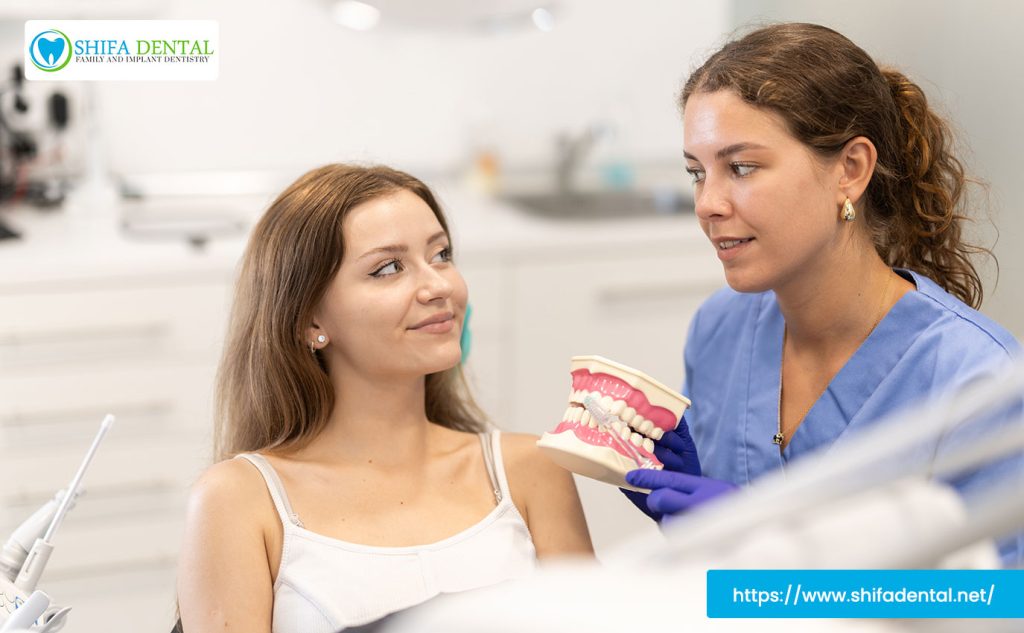
Your dentist will ask what you would like to change and what matters most to you: shade, shape, spacing, symmetry, comfort, or the amount of treatment involved. Expect a review of your medical and dental history, an examination of your teeth and gums, and an assessment of your bite. Images or X-rays may be recommended when clinically appropriate. These steps help reveal issues such as decay, gum inflammation, cracks, or bite forces that could affect the result or the order of care.
Bring questions and, if useful, examples of the kind of natural-looking result you prefer. Photos can help explain your taste, but they are not a promise that another person’s exact smile can be reproduced. Your teeth, facial features, and starting conditions are unique.
Why might oral-health care come before cosmetic changes?
Cosmetic work is best planned on a stable foundation. Active decay, gum disease, infection, or an unstable bite may need attention before elective procedures. Treating those concerns first can protect your comfort and help prevent a new restoration from being placed in conditions that could compromise it. If you have tooth pain, swelling, bleeding gums, or a broken tooth, mention it when you book rather than treating the visit as only a cosmetic consultation.
How are the options sequenced?
Order matters. If you are considering whitening and restorations, the dentist may discuss whitening natural teeth before choosing the shade for new visible dental work, since restorations do not respond to bleaching in the same way. If tooth movement is part of the plan, alignment may need to happen before bonding or veneers are designed. Your dentist can explain the reasoning and whether the work can be completed in stages.
For a smile makeover in Garland, TX, a careful sequence also takes your calendar and comfort into account. Some appointments are consultation or planning visits; others involve treatment and follow-up. The number and spacing of visits depend on which services are appropriate, whether laboratory-made restorations are involved, and how your mouth responds. Ask what temporary changes, if any, to expect between stages.
How do common smile-enhancement options compare?
The table below is a general orientation, not a recommendation for your individual teeth. Your exam determines whether an option is suitable and what trade-offs apply.
| Option | May help with | Important consideration |
|---|---|---|
| Professional or dentist-guided whitening | Stains and generalized color concerns in natural teeth | It does not change the shade of existing crowns, fillings, or veneers; sensitivity can occur. |
| Composite bonding | Small chips, selected shape changes, or minor spaces | It can conserve tooth structure, but the material may stain or chip and may need maintenance. |
| Porcelain veneers | Selected front-tooth color, shape, or surface concerns | Planning may involve altering enamel; suitability and maintenance depend on the tooth and bite. |
| Clear aligners or braces | Crowding, spacing, and some bite or alignment concerns | They move teeth over time and require consistent follow-through and professional monitoring. |
| Crowns or other restorative care | Teeth needing structural support or repair | These are selected for the tooth’s health and function, not just as a cosmetic shortcut. |
When planning a smile makeover in Garland, TX, the best comparison is not simply which option appears fastest or most dramatic. Consider how much natural tooth is preserved, how the result fits your bite, what maintenance may be needed, and whether the treatment addresses the cause of your concern.
What should Garland patients know about fees and insurance?
There is no responsible universal fee for a multi-step smile plan: the recommended procedures, materials, number of teeth involved, and any needed restorative or gum care all affect the estimate. Shifa Dental does not publish a one-size-fits-all makeover price. After an examination and discussion, ask for a written plan that separates recommended care from optional enhancements and explains the fee for each stage. Shifa Dental’s no-hidden-fees approach means costs are reviewed with you before treatment.
Dental insurance is designed primarily around covered oral-health services, so purely elective services such as whitening or veneers may not be covered. A restoration recommended to repair a damaged tooth may be considered differently, but benefit decisions depend on your plan and clinical documentation. Have the office verify benefits when possible, and remember that an estimate of benefits is not a guarantee of payment.
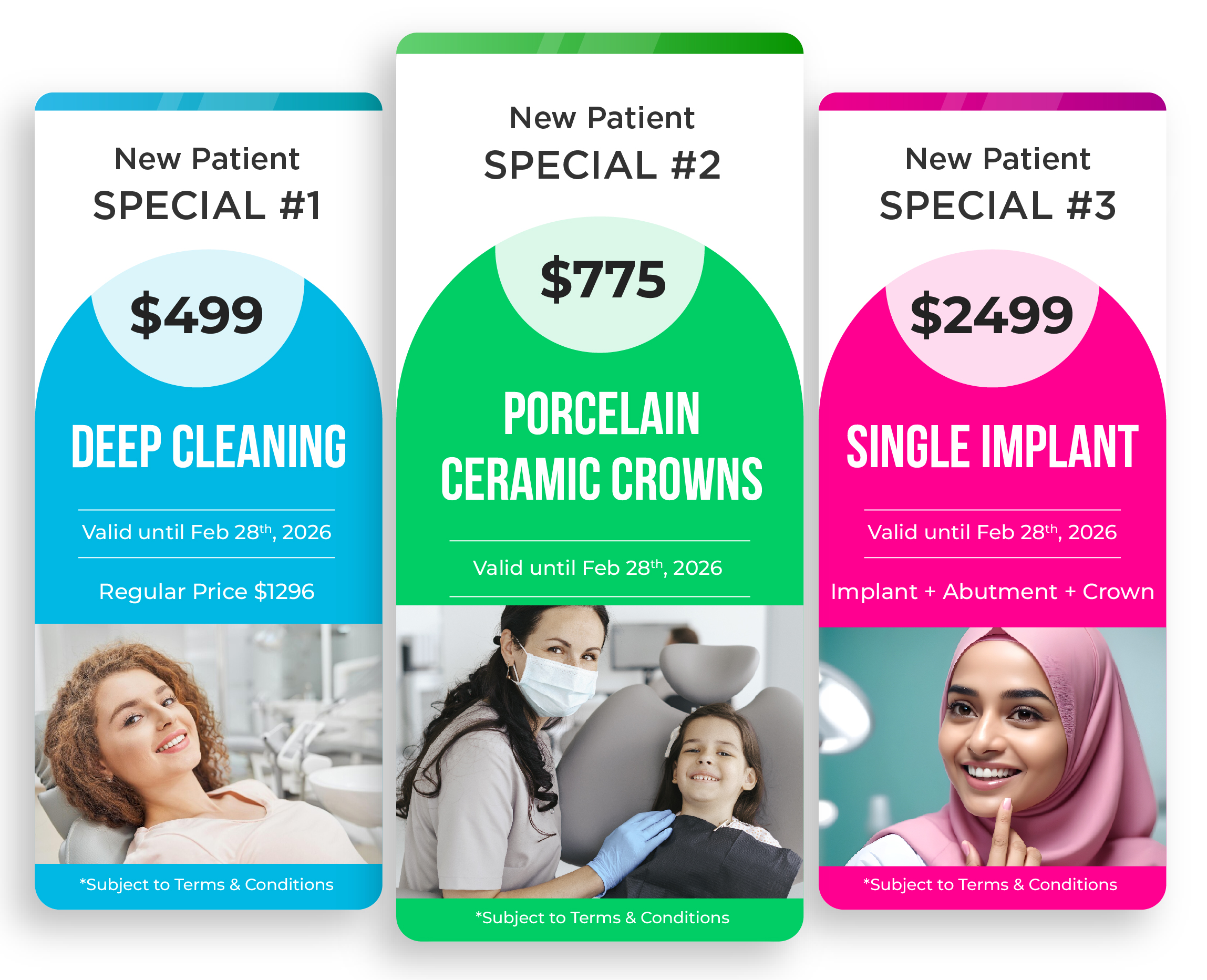
If you are paying out of pocket, ask about Shifa Dental’s 0% interest financing options, CareCredit, and the Shifa Dental Saving Plan for uninsured patients. A free second-opinion consultation is available for major procedures such as implants, braces, and root canals; ask the team whether your proposed makeover includes a service eligible for that consultation. You should be able to consider the plan without pressure and understand what is optional before choosing.
How can you prepare and make a confident choice?
Before committing, ask questions that make the plan clear:
- Which concerns are cosmetic, and which need treatment for health or function?
- What are the conservative alternatives, and what would happen if I wait?
- Will the suggested treatment change natural tooth structure? If so, how?
- How will my bite, gum health, and existing dental work affect the result?
- What maintenance, repairs, or future replacement might be needed?
- What is included in the written estimate, and how do insurance and financing apply?
- Can treatment be divided into stages that fit my schedule and budget?
Tell your dentist about sensitivity, jaw discomfort, clenching or grinding, past dental anxiety, and any restorations you already have. If you feel nervous, say so. The team can explain what will happen before each step, discuss breaks, and help you choose a pace that feels manageable. Shifa Dental’s team speaks English, Urdu, Punjabi, Telugu, Kannada, and Spanish, so patients can ask about language support when arranging a visit.
What results and aftercare should you expect?
Results vary with the starting condition and the treatment selected. Whitening may cause temporary sensitivity or gum irritation; ask your dentist how to reduce the chance of discomfort and what symptoms warrant a call. Bonding and restorations need everyday brushing, interdental cleaning, and routine dental checks. Avoid using your teeth to open packaging, and ask whether habits such as nail biting or grinding could put added stress on cosmetic work.
Do not expect a restoration to be maintenance-free. Bonding can wear or chip, veneers and crowns can be damaged, and aligners only work as intended when used as directed by the treating dental professional. Contact your dentist if a restoration feels loose, your bite suddenly feels uneven, or you develop persistent pain or swelling. An examination—not a photograph or online description—is needed to determine what is happening.
When should you seek dental care before a makeover?
Book an evaluation rather than delaying care if you notice persistent toothache, facial or gum swelling, a cracked or knocked-out tooth, pus, fever with dental symptoms, or bleeding gums that do not settle. Serious swelling, trouble breathing or swallowing, or rapidly worsening symptoms need urgent medical or dental attention. These signs do not identify a specific diagnosis, but they should be assessed promptly. Shifa Dental offers same-day emergency appointments when available and welcomes walk-ins; call ahead when you can so the team can guide you.
Conclusion: choose a plan built around your health and goals
The most useful makeover plan is not the one with the longest procedure list. It is the one that answers your concerns, protects oral health, explains trade-offs, and provides a clear sequence and fee before you decide. In a consultation, you can compare whitening, bonding, veneers, orthodontics, and restorative care against your own teeth and priorities. A Smile Makeover in Garland TX should be tailored to your needs—not a promise of a particular look or a fixed package.
Frequently asked questions
How much does a smile makeover in Garland, TX cost?
There is no single fee because the plan may involve different procedures, materials, and stages. Shifa Dental can provide an itemized estimate after examining your teeth and discussing your goals; financing and the Shifa Dental Saving Plan may help eligible patients manage payment.
Does a smile makeover hurt?
Comfort depends on the procedures involved and your individual sensitivity. Many planning visits are examinations and discussions, while treatment may involve different levels of sensation; ask your dentist what to expect and share any anxiety or previous discomfort.
Will whitening change my veneers or crowns?
No. Whitening lightens natural tooth structure, but it does not change the color of existing veneers, crowns, or fillings. Discuss the order of whitening and restorative work with your dentist to coordinate shades.
Can I get a smile makeover if I have gum disease or cavities?
You may still be able to discuss your goals, but active disease or decay generally needs professional evaluation and may need treatment before elective cosmetic care. Your dentist will determine the appropriate sequence after examining your gums and teeth.
Can I choose only one treatment instead of a full makeover?
Yes. A makeover is a planning approach, not a requirement to have several procedures. Your dentist can discuss a focused option—or recommend waiting—based on your oral health, preferences, and expected benefits.