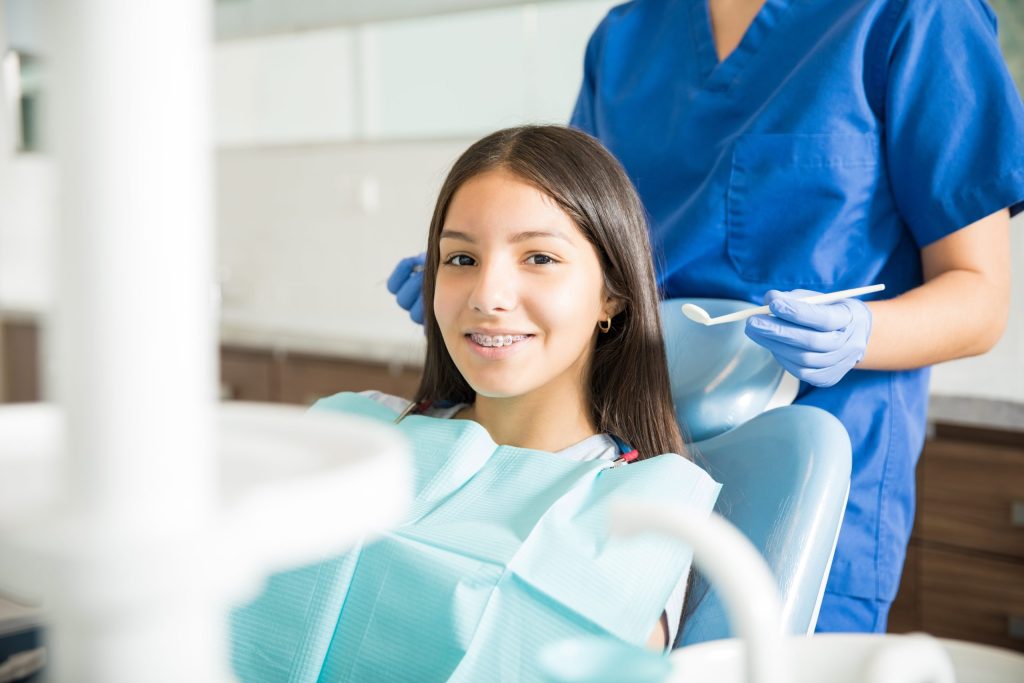


A straighter smile can start with a simple question: should you choose removable aligners or fixed braces? The answer to Invisalign vs metal braces depends on how your teeth fit together and what changes your treatment may require. Aligners let you eat and brush without an appliance in the way, but they work only when worn as directed. Braces remain in place and may suit certain complex movements, though they take extra care during meals and brushing. Before making a decision, learn what each option asks of you day to day. A dental evaluation can clarify which treatments may be appropriate and whether you’d benefit from an orthodontist’s input.
The right orthodontic option depends on your alignment goals, treatment complexity, and the dentist’s examination. Appearance, daily maintenance, and how complex the tooth movement is all matter, and neither aligners nor braces promise a specific result. If you are comparing braces in Plano, start with adult braces in Plano, Invisalign in Plano, and metal braces in Plano. If you are comparing care in Garland, start with Invisalign in Garland and metal braces in Garland. You can also review the practice Invisalign and metal braces pages, then choose an office: Plano or Garland.
To request a visit, schedule an appointment and choose the Plano or Garland office.
Key Takeaways
- Start with an exam: Your bite, tooth movement needs, and oral health help determine whether Invisalign or metal braces may suit you.
- Consider daily habits: Aligners need consistent wear and careful tracking; braces stay fixed but require thorough cleaning and food precautions.
- Compare complete plans: Ask Shifa Dental about treatment time, visits, total costs, insurance, payment options, and retainers.
Invisalign vs. Metal Braces: What’s Different?
Invisalign and metal braces can both straighten teeth, but they work differently and ask for different habits. Invisalign uses clear aligners that you can remove, while braces stay attached to your teeth throughout treatment. Your dental needs, routine, and preferences all matter when comparing them. A dental professional can examine your teeth and bite, then explain which options may be appropriate.
Removable aligners vs. fixed brackets and wires
Invisalign aligners are clear trays that fit over your teeth. You remove them to eat, drink anything other than water, and brush and floss. You’ll also need to wear them as directed and keep track of them when they’re out. If you’re considering this option, you can learn more about Shifa Dental’s Invisalign in Plano.
Metal braces use brackets attached to your teeth and connected by wires. They stay in place, so you don’t have to remember to put them back in after meals. However, you’ll need to clean carefully around the brackets and wires. Aligners may suit people who prefer a removable option; braces may feel simpler for those who don’t want to manage trays.
How each option moves teeth
Invisalign treatment uses a series of aligners, with each tray planned to shift your teeth gradually. You move to the next aligner according to your treatment plan. Consistent wear matters, since leaving trays out for too long can affect progress.
Metal braces apply pressure through brackets and wires. As treatment progresses, adjustments help guide teeth toward their planned positions. The mechanics of Invisalign and braces differ, and the right approach depends on the movements your teeth need. Some concerns may be addressed with either option, while others may require braces or additional appliances. An exam can help clarify what’s suitable for your smile.
Visibility, meals, and daily convenience
Clear aligners are less noticeable than metal brackets and wires. Their smooth plastic may also cause less irritation to the cheeks and lips. Since you remove them for meals, you can eat without food getting caught in brackets. You’ll need to brush before putting them back in and avoid eating or drinking anything but water while wearing them.
Braces are visible, and some foods can be difficult to eat or may damage the brackets. Teeth may also feel sore after adjustments. On the other hand, braces stay in place, so there’s no risk of forgetting to wear an aligner. Consider the everyday differences between aligners and braces, then discuss your routine and treatment needs with a dental professional.
Which Orthodontic Problems Can Each Treat?
Invisalign and metal braces can both correct crowded or misaligned teeth, but the right option depends on the movements your teeth need. The best way to compare them is to have a dental professional assess your teeth and bite.
Crowding, spacing, and mild bite concerns
Invisalign may suit many people with mild to moderate crowding, gaps, or certain bite concerns. A series of custom aligners applies gentle pressure to move teeth gradually. Since you can remove the trays to eat and brush, they may also fit well into a routine that calls for a discreet treatment option.
The aligners need to be worn as directed to work as planned. Your provider will assess how your teeth fit together and whether the movements required are appropriate for aligners. A professional Invisalign assessment can help determine whether this approach may meet your goals.
Severe crowding, complex bites, and rotated teeth
Metal braces may be recommended for severe crowding, significant tooth rotation, or complex bite problems. Because brackets and wires stay attached to the teeth, a provider can make precise adjustments throughout treatment. Braces can also be useful when teeth need larger movements in several directions.
Some complex cases may still be treated with aligners, but suitability depends on the movements involved and the provider’s plan. Ask what each treatment can realistically achieve for your bite and alignment. This comparison of Invisalign and braces for adults offers general background, but an individual exam is needed to make a recommendation.
When you may need attachments or other appliances
Invisalign treatment may include small, tooth-colored attachments bonded to certain teeth. They help the aligners grip and guide teeth through specific movements. Depending on your bite, your provider may also recommend elastics or another appliance as part of your plan.
These additions don’t mean aligners aren’t working. They can help address particular tooth movements or bite concerns. Your provider will explain what your treatment includes and how to care for each component. Aligners must be worn and cleaned as instructed, while braces require careful brushing around brackets and wires.
Why an exam determines your options
An exam lets a dental professional assess crowding, spacing, tooth rotation, and how your upper and lower teeth meet. They may also review your dental health and use scans or images to plan treatment. These details help determine whether Invisalign, braces, or an orthodontist consultation may be appropriate.
Your routine and budget matter, too. Aligners require consistent wear, while braces remain in place throughout treatment. Ask about expected results, visits, treatment time, and what the estimate includes. Shifa Dental offers Invisalign in Garland and can discuss whether aligners may suit your needs. For more involved orthodontic concerns, ask whether a consultation with an orthodontist would be helpful.
How Effective Is Invisalign Compared With Metal Braces?
Both Invisalign and metal braces can move teeth and improve alignment. Which option will work best depends on the movements your teeth need, the complexity of your bite, and how well the treatment fits your routine. A dental professional can examine your teeth and explain which results are realistic for your case.
How case complexity shapes your options
Invisalign can address many alignment concerns, including some cases of crowding, spacing, and bite problems. Metal braces may be more reliable for complex movements, such as severe crowding, significant tooth rotation, or certain bite corrections. Braces stay attached to your teeth, allowing your provider to apply steady pressure throughout treatment. Case complexity is one of the key factors when comparing these options.
Some aligner plans include small attachments placed on the teeth to guide movement. These may help with certain corrections, but they do not make clear aligners suitable for every case. Your dental professional will assess your teeth, bite, and goals before recommending treatment.
How wear time and fixed braces affect treatment
Invisalign aligners are removable, so you can take them out to eat and brush your teeth. To keep treatment on schedule, though, you need to wear them for the hours your provider recommends, often 20 to 22 hours a day. Leaving them out too often can delay progress or affect how the trays fit. Wearing aligners consistently is essential for achieving the planned results.
Metal braces remain fixed to your teeth and work continuously, so you do not need to remember to put them back in after meals. You still need to follow care instructions and attend adjustment appointments. If keeping aligners in for most of the day sounds difficult, tell your provider as you discuss your options.
Why neither option suits every patient
There is no single treatment that works best for everyone. Invisalign may suit people who prefer a less noticeable, removable option and can commit to wearing aligners as directed. Braces may be a better match for certain complex tooth movements or for people who would rather not manage removable trays. Your oral health, bite, goals, and daily habits all matter.
Ask what each option can realistically achieve, how long treatment may take, and whether you might need attachments or other appliances. A metal braces in Plano can help you understand whether Invisalign fits your needs and whether a referral for an orthodontic consultation may be appropriate.
How Long Does Each Treatment Take?
Invisalign and metal braces move teeth over time, but the length of treatment varies from person to person. Your bite, treatment goals, and how your teeth respond all play a part. A dental exam can help set a realistic estimate and explain what could affect your timeline.
Why timelines vary
The time needed depends largely on how much your teeth need to move. A small gap or mild crowding may take less time to address than a complex bite or significant crowding. Your provider will also monitor how your teeth respond and adjust the plan if needed.
One overview of Invisalign treatment gives a general range of 6 to 22 months. Metal braces often take about one to three years, though treatment can be shorter or longer. These ranges are only starting points, not promises. Ask your provider what factors shape your estimate and whether your goals are realistic within that timeframe. Shifa Dental offers Invisalign services and can discuss whether clear aligners may fit your needs.
How wear time, visits, and refinements affect progress
For Invisalign to work as planned, you’ll generally need to wear your aligners 20 to 22 hours each day. Take them out for meals, drinks other than water, and brushing. Wearing them less often than directed can slow progress or affect how well the next set fits. Aligner care guidance can help you build these steps into your routine.
Braces stay on your teeth, but you’ll still need regular appointments for adjustments and progress checks. Some Invisalign patients also need extra trays, called refinements, to make final changes. These can extend treatment. At your consultation, ask how often you’ll have visits, what happens if a tray is lost, and whether refinements are included in your plan.
How retainers keep teeth aligned
After treatment, teeth can shift toward their previous positions. Retainers help hold them in place while the surrounding tissues adjust. Your dental professional will explain which type is right for you and how often to wear it. Many people wear a retainer at night for the long term, though instructions vary.
Before starting treatment, ask whether retainers are included in your estimate, when you’ll receive them, and what to do if one breaks or stops fitting. Retainer wear is an important part of maintaining your result, not an afterthought. Research on long-term orthodontic outcomes also highlights the role retainers play in keeping teeth aligned after treatment. Follow your provider’s instructions and contact the office if your retainer feels uncomfortable or no longer fits properly.
How Do Comfort and Daily Care Compare?
Both Invisalign and metal braces apply pressure to move teeth, so some tenderness is common with either option. The main differences are how each appliance feels, what you can eat, and how you care for your teeth throughout the day. Aligners are removable, while braces stay in place, which affects everything from brushing to sports.
Your experience will depend on your treatment plan and habits. Consider what feels manageable in your routine, and ask your dental professional how to care for your appliance. Here’s what to expect.
Soreness, pressure, and irritation
You may notice pressure when you begin treatment or switch to a new set of Invisalign aligners. With braces, teeth can feel sore after an adjustment, and brackets or wires may rub against your cheeks and lips, particularly in the first few weeks. Orthodontic wax can help ease irritation from braces, while your dental professional can advise you if soreness continues.
Because Invisalign aligners have smooth plastic surfaces and no brackets or wires, they may cause less irritation inside the mouth. A comparison of Invisalign and braces notes that aligners are often more comfortable during daily life, though comfort varies by person. Both treatments can cause pressure as teeth move.
Eating and drinking with aligners or braces
With Invisalign, remove your aligners before meals and snacks. You can eat a wider range of foods, but take the trays out for anything besides water. Brush your teeth before putting them back in, or rinse well if brushing isn’t possible. Follow your provider’s directions to keep your trays clean and your treatment on track.
Braces stay in place, so you’ll need to avoid foods that could damage brackets or wires, including hard, sticky, or chewy items. Softer foods may feel more comfortable after an adjustment. Guidance on braces and aligners highlights food restrictions as an important part of braces care. With either option, a little planning can make meals easier.
Cleaning teeth, aligners, brackets, and wires
Invisalign makes it easy to brush and floss your teeth because you remove the trays first. Clean the aligners as directed by your dental professional, using lukewarm water and a soft toothbrush. Avoid hot water, which may change their shape. Remember to brush your teeth before reinserting the trays, especially after meals.
Braces require extra attention because food and plaque can collect around brackets and wires. Brush carefully around each bracket, and use flossing tools recommended by your dental team to clean between teeth. Daily aligner care also includes removing trays before eating and keeping up with regular cleaning. Ask your provider to show you a routine that works for your appliance.
Sports, music, travel, and daily routines
Consider how treatment will fit around your usual activities. Invisalign’s smooth surface may feel less irritating during sports or while playing an instrument. You can remove the trays when needed, but wear them for the number of hours your dental professional recommends and store them in their case when they’re out.
Braces remain in place, so you don’t need to remember to put them back in after meals. For sports, ask your dental team about a mouthguard that fits over braces. Travel with aligners calls for a case and cleaning supplies; with braces, pack a toothbrush and orthodontic wax. A metal braces in Garland can help you discuss how aligners may fit your daily routine.
How Much Do Invisalign and Metal Braces Cost?
There’s no single price for Invisalign or metal braces. Your estimate depends on the treatment you need, how long it may take, and what services are included. Comparing written estimates can help you understand the total cost and choose an option that fits your needs and budget. Shifa Dental offers Invisalign treatment at its Plano and Garland offices, with support to help patients explore their care options.
How case complexity and treatment length affect cost
The amount of movement your teeth need can affect both the length and cost of treatment. A case involving mild spacing may require a different plan than significant crowding or a more complex bite concern. With Invisalign, the number of aligners and whether you need refinements can factor into the estimate. With braces, treatment length and regular adjustments may affect the overall cost. Acorn Dental’s comparison notes that case complexity can matter more than the appliance itself. An examination gives a dental professional the information needed to recommend suitable options and provide a more specific estimate.
Why Invisalign doesn’t always cost more
Clear aligners may seem more expensive at first glance, but Invisalign does not always cost more than metal braces. The price depends on your treatment plan and the services included, so compare estimates for your specific case rather than assuming one option is always pricier. Also consider how each choice fits your daily routine. Aligners can be removed for meals and brushing, while braces remain fixed to your teeth. A comparison of aligners and metal braces highlights these practical differences. Ask your provider about the benefits and responsibilities of each option, then weigh them alongside the cost.
What to check in estimates, insurance, and payment options
Ask for a written estimate that explains what the quoted price covers. Check whether it includes consultations, scans or records, follow-up visits, refinements, and retainers. Find out whether replacement aligners or repairs could cost extra. Dental insurance varies: some plans include orthodontic benefits with a lifetime maximum, and coverage may apply to different treatment types. Acorn Dental’s guide to orthodontic costs notes that HSA and FSA funds may also be used for eligible care. Confirm the details with your insurer before starting treatment. If you need help understanding your benefits or managing costs, ask the dental office about available insurance support and payment options.
Which Option Fits Your Age and Lifestyle?
Age is one factor in choosing between Invisalign and metal braces. Your dental needs, daily routine, and comfort with each appliance matter, too. A dental professional can assess your teeth and help you weigh the options.
Considerations for children, teens, and adults
Children and teens may be candidates for either option, depending on their dental development and the movements their teeth need. Removable aligners also require them to remember to wear and store the trays. Braces stay in place, which may be easier for someone who might misplace aligners or forget to put them back in after meals.
Adults can consider both options as well. Invisalign may suit people who prefer a less noticeable appliance, while braces may be recommended for certain alignment or bite concerns. Shifa Dental offers metal braces, and a dental evaluation can help clarify which options may fit your needs.
Invisalign’s 20–22-hour daily wear commitment
Invisalign typically requires wearing aligners for 20 to 22 hours a day. You take them out to eat, drink anything other than water, and brush and floss. After meals, clean your teeth before putting the trays back in, and care for the aligners as your dental professional recommends.
This routine can work well if you’re comfortable keeping track of your trays throughout the day. Think about school, work, meals, and travel: will you be able to put the aligners back in promptly? Wearing them less than directed may affect treatment progress. Review the daily expectations for aligner wear with your provider before deciding.
When fixed braces may fit your habits better
Metal braces may suit you if you’d rather not remember to put aligners back in after eating or keep track of a removable appliance. Since braces remain attached to your teeth, treatment doesn’t depend on remembering to wear them each day.
Braces may also be recommended for some complex tooth movements, such as significant crowding, rotated teeth, or certain bite concerns. That doesn’t make them the right choice for every patient: the best option depends on the specific movements your teeth need. Ask your dental professional to explain how each approach could address your concerns. This comparison of braces and Invisalign outlines some differences to discuss.
Appearance, comfort, and eating preferences
If you’d prefer a less noticeable appliance at work, school, or social events, clear Invisalign trays may appeal to you. Their smooth plastic has no brackets or wires, though you may feel pressure as your teeth move. Metal braces are more visible and can irritate the cheeks or lips, especially after an adjustment.
Eating is different, too. Remove aligners before meals, while braces stay in place and require extra care around hard or sticky foods. Both options need consistent cleaning, and either may cause temporary soreness. Consider which everyday trade-offs feel manageable, then share your preferences with your dental professional.
What Misconceptions Should You Know?
It’s easy to make assumptions about Invisalign and metal braces based on appearance or what worked for someone else. A few common misconceptions can make the choice seem simpler than it is.
Invisalign treats more than minor alignment issues, but not every case
Invisalign can address a range of alignment concerns, not just small gaps or slightly crooked teeth. Depending on your teeth and bite, clear aligners may be suitable for some cases involving crowding or other movement needs. But they aren’t the right choice for everyone. Complex bite issues, significant crowding, or certain tooth rotations may call for braces or a different treatment plan. Some aligner plans also use attachments, small tooth-colored shapes that help guide movement. The best way to learn what’s possible is to have a dental professional assess your teeth and bite. You can review Invisalign services at Shifa Dental and ask which options may fit your needs.
Neither option is always faster or more comfortable
Clear aligners aren’t automatically faster or more comfortable than braces, and braces don’t always take longer. Treatment time depends on the movements needed, how your teeth respond, and whether you follow the care plan. Both options can cause temporary pressure or soreness, particularly when you start a new aligner or have braces adjusted. Invisalign may feel less noticeable and makes eating and brushing easier, while fixed braces can give your provider more control over certain tooth movements. A review comparing aligners and braces highlights that results and treatment experience can vary. Your provider can give you a more useful estimate after examining your teeth and discussing your goals.
Adults can get braces, too
Orthodontic treatment isn’t just for children and teens. Adults can consider metal braces or Invisalign to address alignment or bite concerns, provided their teeth and gums are healthy enough for treatment. Age alone doesn’t determine which option is suitable. Your dental health, treatment goals, and daily habits matter more. Braces may appeal if you’d rather not keep track of removable trays, while Invisalign may suit you if you prefer a less noticeable option and can wear aligners as directed. The best fit is personal, so ask about the benefits and limits of each approach. Shifa Dental’s team and approach to care can help you discuss your needs and whether an orthodontist consultation may be helpful.
Removable aligners still need consistent wear and care
Since Invisalign trays are removable, it can be tempting to leave them out longer than recommended. But aligners need consistent daily wear, typically around 20 to 22 hours, or treatment may take longer than planned. Take them out to eat and drink anything besides water, then brush your teeth before putting them back in when possible. Clean the trays as directed, and use lukewarm water rather than hot water, which can warp the plastic. You’ll also need to keep track of your aligners when they’re out, especially during meals away from home. This guide to aligner use and care explains why daily habits matter throughout treatment.
How Do You Choose Between Invisalign and Metal Braces?
Compare results, timeline, cost, and daily demands
Compare what each option may address, how long treatment could take, the total cost, and what you’ll need to do each day. Invisalign aligners are removable and less noticeable, but you need to wear them as directed. Metal braces stay in place, so they don’t depend on remembering to put them back in after meals.
Treatment time varies with the movements your teeth need and how consistently you follow the plan. One Invisalign and braces comparison reports Invisalign treatment lasting 6 to 22 months, but individual timelines differ. Ask for an estimate based on your exam, and compare what each option may cost in your case.
Ask what treatment includes, including visits and retainers
Look beyond the initial fee when comparing treatment plans. Ask how many visits are expected, whether the estimate covers refinements or replacement aligners, and what may lead to additional costs. Find out how appointments fit your schedule, too. The number and timing of visits can vary based on your treatment plan and progress.
Ask about care after active treatment. Both Invisalign and braces may require retainers to help maintain your results, so check whether retainers are included and how often you’ll need follow-up care. With Invisalign, you’ll also need to remove aligners to eat and clean your teeth before putting them back in. Braces require careful brushing and flossing around brackets and wires.
Get a personalized recommendation from a dental professional
An online comparison can help you prepare, but it can’t show how your teeth fit together or which movements your treatment may require. A dental professional can examine your teeth and bite, listen to your goals, and explain which options may be suitable. Your habits, schedule, and budget also matter when choosing a plan you can follow.
Ask what results are realistic, how progress will be checked, and whether either option would require additional appliances. Some patients may have a choice between aligners and braces; others may benefit from one approach over the other. This guide to choosing between Invisalign and metal braces offers questions to bring to your consultation.
Ask Shifa Dental in Plano or Garland about Invisalign and whether an orthodontist consultation may help
If you live in Plano, Garland, or a nearby community, talk with Shifa Dental about your alignment goals and whether Invisalign may fit your needs. The practice offers schedule an appointment among its dental services. Ask what an evaluation involves, how costs are estimated, which payment options may be available, and what follow-up care could look like.
Depending on your bite and the movements needed, an orthodontist consultation may also be worth discussing. Ask whether an additional evaluation or referral makes sense for your situation. You can learn more about Shifa Dental’s team and approach to care before visiting the Plano or Garland office. Bring your questions and share what matters most to you so the team can help you consider your options.
Related Articles
- Invisalign vs. Braces: Which Is Right for You?
- Invisalign vs. Metal Braces for Adults: Which One Fits Your Life?
- Invisalign or Metal Braces: How to Decide Which Is Right for You
- How Much Do Braces and Invisalign Cost?
- Invisalign services at Shifa Dental
Frequently Asked Questions
Is Invisalign as effective as metal braces?
Both can straighten teeth, but they suit different treatment needs. Invisalign may work for many alignment concerns, while braces may offer more control for certain complex movements. An exam can help determine which option is appropriate for your teeth and bite.
How many hours a day do I need to wear Invisalign?
Most treatment plans call for wearing aligners around 20 to 22 hours a day. You remove them for meals, drinks other than water, and brushing. Your dental professional will give you instructions for your plan.
Does Invisalign usually cost more than metal braces?
Not always. The total cost depends on your treatment needs and what the estimate includes, such as follow-up visits, refinements, or retainers. Ask for a written estimate and check your insurance benefits and payment options.
How long does treatment take?
Treatment time varies with the tooth movements required and how consistently you follow your care plan. Your provider can give you a personalized estimate after examining your teeth and bite.
Can I get Invisalign at Shifa Dental in Plano or Garland?
Shifa Dental offers Invisalign services at its Plano and Garland offices. Contact the practice to ask about an evaluation, expected costs, and whether an orthodontist consultation may be helpful for your needs.