



Severely damaged teeth can affect daily life in more ways than one. Eating becomes difficult, speaking feels uncomfortable, and even smiling starts to feel different. In many cases, the damage does not happen overnight. It builds slowly through decay, injury, or untreated dental issues. The good news is that there are oral exams and clear treatment options available that can restore both function and appearance.
In Plano, many dental clinics focus on treating advanced tooth damage using modern methods that aim to save natural teeth when possible and replace them when needed. The right care plan depends on how deep the damage goes and the condition of the surrounding gums and bone.
This guide explains the main solutions available and how they help bring back normal oral function in a step-by-step way.
What Severe Tooth Damage Means
When the structure of a tooth cannot work normally, it is said to be severely damaged. This can be a large decay, deep cracks, or loss of a large portion of the tooth.
In other instances, the inner tooth becomes infected, and this causes pain and sensitivity. Sometimes, the tooth may break below the gum line due to an accident.
Simple filling work is no longer satisfactory at this stage. The area requires more organized treatment to safeguard it and prevent additional problems.
Common Reasons Teeth Reach This Stage
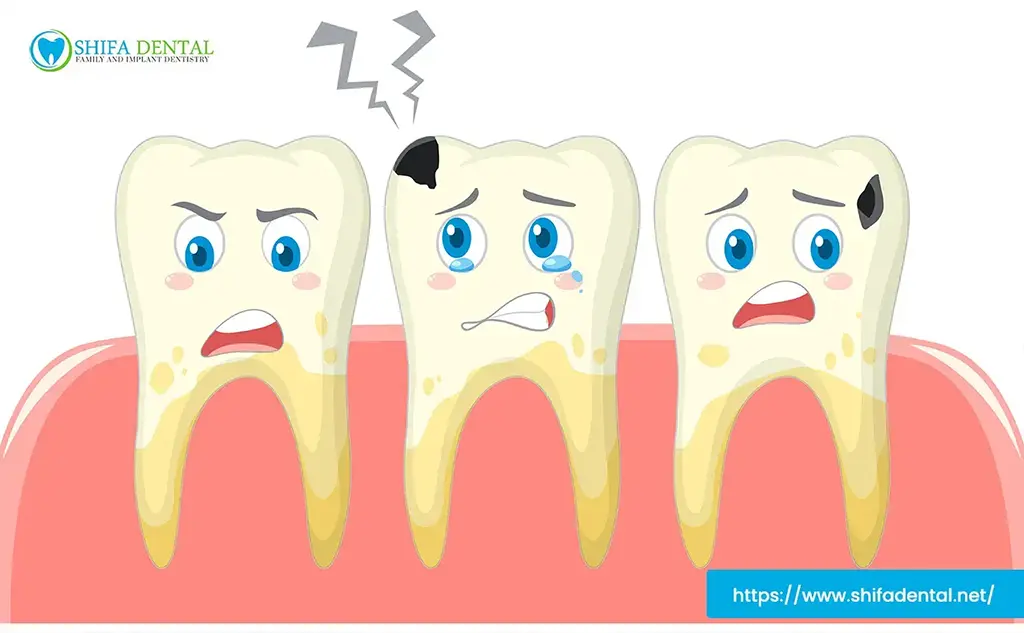
Severe damage usually develops over time. A few common reasons include:
- Long-term tooth decay that is not treated early
- Cracks caused by biting hard foods or injuries
- Old fillings that fail and allow bacteria inside
- Gum problems that weaken tooth support
- Missing dental visits for regular checkups
- Teeth grinding during sleep
Each case is different, but the result is often the same: loss of strength and discomfort during daily use.
Treatment Options for Severely Damaged Teeth
There are a number of solutions to severe damage in dentistry. The decision will be based on the possibility of saving the tooth or replacing it.
Root Canal Treatment
Root canal treatment is applied in cases where the inside of the tooth becomes infected or inflamed. This inner segment has nerves and soft tissue, which can be very painful when harmed.
In the process of treatment, the dentist removes the infected tissue of the tooth. The space is cleaned, disinfected, and sealed to prevent re-entry of bacteria.
A crown is generally added on top of this. This is significant since the tooth is made weak following internal cleaning, and the crown assists the tooth in resuming normal chewing. Root canal treatment is often chosen to save a tooth that would otherwise need removal.
Dental Crowns
A crown is a permanent cap that is placed over a broken tooth. It is moulded to resemble and act as a natural tooth. Dental crowns are applied when a tooth is still present but has lost its strength because of cracks, decay, or following a root canal.
It is done by reshaping the tooth in such a way that the crown will fit. Then a mold or scan is made, and the crown is made to fit adjacent teeth. After it is put in, it allows the person to regain the ability to chew and prevents the tooth from further breakage.
Dental Implants
A dental implant is employed when a tooth cannot be saved at all. It substitutes the root and the visible portion of the tooth. A small metal post is inserted into the jawbone. The bone fuses with the implant over time, rendering it stable. Once healed, a crown is attached.

Implants are robust, and they are closer to natural teeth than other replacement methods. They also aid in the prevention of bone loss in the jaw, which usually occurs when a tooth is lost over a long period of time.
Bridges and Dentures
When teeth are missing, but adjacent teeth are healthy, bridges are applied. The natural teeth on each side hold the replacement tooth.
Dentures are artificial teeth that can be removed. They are able to substitute a partial or a complete set of teeth. Bridges are permanent, whereas dentures can be removed to be cleaned. Both of them assist in eating and speaking, particularly in cases where implants are inappropriate.
Gum Treatment
Any dental repair requires healthy gums so that it can last. In case of the presence of gum disease, it should be treated initially.
This can involve thorough cleaning to eliminate the accumulation under the gums and minimise infection. Healthy gums are good at holding crowns, braces, and implants. Other treatments might not be long-term stable without this step.
Tooth Extraction
In case a tooth is too decayed to be salvaged, it is better to perform tooth extraction. This is normally done when the decay is deep into the root or the tooth is fractured beyond repair.
Once extracted, the area is washed well to avoid infection. Once healed, the missing tooth can be replaced using an implant, bridge, or denture. The step is usually regarded as the final resort when it is no longer possible to save the tooth.
Dental Onlays and Inlays
They are applied in cases where the damage is too big to be filled but not big enough to warrant a complete crown. An inlay is placed within the tooth surface, whereas an onlay is placed over a bigger area, including one or more points of the tooth.
Full Mouth Treatment Plans
This option is used when several teeth have different levels of damage. Instead of treating one tooth at a time, the dentist creates a complete plan.
Some teeth may be saved with root canals and crowns. Others may need removal and replacement with implants or bridges. The treatment is completed in stages to gradually restore function.
It is usually recommended when damage affects chewing, speaking, and comfort in multiple areas at once.
How Shifa Dental Helps Patients in Plano
Shifa Dental in Plano provides treatment options for patients dealing with severe tooth damage. The clinic focuses on restoring dental function using modern tools and careful planning. Patients are first examined to understand the level of damage. After that, a treatment plan is created based on whether the tooth can be saved or replaced.
Services may include root canal work, crowns, implants, and gum care. The clinic also supports patients who need multiple treatments over time, ensuring each step is handled with attention.
For many patients, having a single place that handles different stages of care helps reduce confusion and makes treatment more organized.
Conclusion
Severely damaged teeth can be managed with several treatment options, depending on the condition of the tooth. Root canal therapy, crowns, implants, and gum care all play a role in restoring oral function. In some cases, a full treatment plan is needed to handle multiple concerns at once.
Clinics like Shifa Dental in Plano offer structured care for patients dealing with advanced dental issues, focusing on both repair and replacement when needed.
If you are dealing with tooth pain, broken teeth, or long-term dental issues, booking a consultation is the first step. A proper check can help you understand what can be saved and what needs replacement.
FAQs
Not always. The dentist will assess the tooth, surrounding bone, and gum health to determine whether restoration or replacement is the better option.
Treatment time depends on the solution chosen. Some procedures take one visit, while others may require multiple appointments.
The damage can worsen over time, leading to infection, increased pain, tooth loss, and possible damage to nearby teeth.
Dental implants are designed to be a long-term tooth replacement option when properly cared for and maintained.
Regular dental checkups, good oral hygiene, early treatment of dental problems, and wearing a mouthguard when needed can help protect your teeth.