


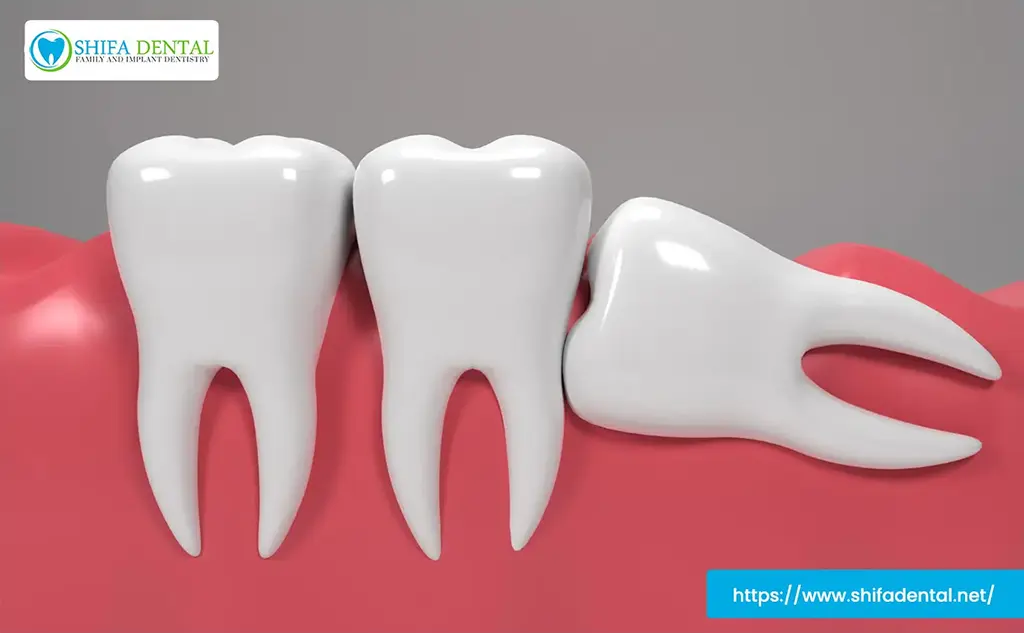
The last set of molars, often called wisdom teeth, usually appear in the late teens or early twenties. For some people, they grow in without causing any trouble. For many others, they lead to pain, swelling, or crowding. This is why wisdom teeth removal is one of the most common dental procedures in Plano, TX.
When these teeth don’t have enough space, they can grow at an angle, stay stuck under the gums, or push against nearby teeth. Over time, this can affect not just comfort but also overall oral health. So, understanding when and why removal is needed makes a real difference.
Why Wisdom Teeth Often Need Removal
Wisdom teeth do not necessarily have to be extracted. Nevertheless, dentists tend to prescribe removal in cases where there are obvious indications of issues. Impaction is one of the problems. This occurs when the tooth is unable to completely erupt due to obstruction by other teeth or bone.
Another reason is crowding. Wisdom teeth may move your already existing teeth out of position if there is not enough room in your mouth. It is particularly annoying to those who have already had braces.
Partially erupted wisdom teeth, in certain situations form tiny holes that bacteria may accumulate in. This may cause gum infections, bad breath and even decay of adjacent teeth. These areas are difficult to clean and hence the problem is likely to increase with time.
Signs You Should Not Ignore
Wisdom teeth problems often start small but can quickly turn uncomfortable. Some early signs include:
- Pain in the back of your mouth
- Redness or swelling in the gums
- Difficulty opening your jaw fully
- A bad taste that doesn’t go away
- Headaches or ear discomfort
If you notice any of these, it’s better to get checked early. Waiting too long can make the procedure more complex and recovery longer.
What Happens Before the Procedure
Your dentist or oral surgeon will also check your mouth and take X-rays before extracting wisdom teeth. These pictures indicate the location of the teeth and their impact.
You’ll also discuss anesthesia options. There are those who use local anesthesia, and others use sedation to remain relaxed during the process. The decision will be based on the level of comfort and the complexity of the extraction.

When sedation is scheduled, you might be requested to avoid eating or drinking for a few hours prior to the appointment. This can prevent complications in the procedure. It is also good to wear comfortable clothes, particularly when you are going to sit down.
Your dentist will examine your medical history and medications you take. This is necessary since some medicines might have to be postponed or changed prior to surgery.
It is also advisable to have a person that will drive you home in case of sedation. You might get sleepy afterwards and it is easier to have someone there with you.
You may pose simple questions such as how long the procedure will last, the type of anesthesia that will be administered, and what to expect immediately after the day of the procedure. Having clear answers helps you feel more prepared and less anxious.
You might also be advised not to drink or smoke a day before the procedure, as it may influence the way your body reacts during treatment. It is also important to keep your mouth clean before the visit, and therefore, gentle brushing and rinsing are usually advised. Such minor measures assist in establishing more favorable conditions of a successful process and minimizing the risks of any last-minute problems.
The Removal Process Explained
Wisdom teeth removal is usually done in a single visit. The process depends on whether the teeth are fully visible or impacted.
For teeth that have already come through the gums, removal is simple. The dentist loosens the tooth and takes it out. This type of extraction is usually quick and does not require any additional steps.
For impacted teeth, a small incision is made in the gum to access the tooth. In some cases, a small amount of bone around the tooth may be removed to make the process easier. The tooth might also be divided into smaller pieces, which helps reduce pressure and allows for smoother removal.
Depending on the situation, stitches may be placed to help the area heal properly. These stitches are often dissolvable and do not require a follow-up visit for removal.
During the procedure, you won’t feel pain because of the anesthesia, but you may notice slight pressure. This is normal and usually brief.
Once the teeth are removed, gauze is placed over the area to control bleeding and help a clot form. You’ll be rticularly when you are going to sit down. given instructions before leaving so you know exactly how to care for the area right after the procedure.
What Recovery Feels Like
Swelling and discomfort after the procedure is normal. This normally reaches its peak in the first two days and then begins to improve. You can have pain relief medicine and be instructed to apply ice packs to curb swelling. Resting and not engaging in any serious activity in a couple of days is also important.
At the beginning, soft food such as yogurt, soup and mashed potatoes are encouraged. Consuming lots of fluids is also helpful in the healing process, but a straw should not be used since it may disrupt the healing process.
The majority of individuals resume normal lives within a few days, albeit a couple of weeks may be required to heal completely.
Benefits of Timely Removal
Getting wisdom teeth removed at the right time can prevent many problems. It reduces the risk of infections, protects nearby teeth, and helps maintain proper alignment.

For younger patients, recovery is often faster because the roots are not fully developed. This makes the procedure simpler and healing smoother. Delaying removal can lead to more complex surgery later, especially if the teeth become deeply impacted or start affecting other teeth.
Shifa Dental and Wisdom Teeth Removal
If you are in Plano, TX, Shifa Dental is one option many patients consider for wisdom teeth removal. They focus on patient comfort and clear communication, which helps reduce anxiety around the procedure.
Their team evaluates each case carefully before recommending removal. This means you get a plan that fits your specific situation rather than a one-size-fits-all approach.
They also guide patients through every step, from the initial consultation to aftercare. This support can make recovery easier because you know exactly what to expect and what to do.
Another thing patients often appreciate is the calm environment. Feeling relaxed during a dental visit can make the entire experience much smoother.
FAQs
The very process is not painful as anesthesia is applied. You will have some slight pressure, but no sharp pain.
The majority of individuals are able to feel better in 2 to 3 days. The swelling and soreness are relieved during this period.
Removal is typically recommended in case of pain, swelling, infection, or danger of crowding. In most instances, dentists recommend early removal in order to prevent more complicated problems in the future.
The first few days are best when using soft foods. Foods such as yogurt, soup and mashed potatoes do not strain the healing area.
Delaying may result in infections, destruction of the teeth around it, and more complicated surgery.
Final Thoughts
Wisdom teeth extraction is a normal and safe practice, which can help avoid larger dental problems in the future. Although the thought of surgery may not be very comfortable initially, when one knows what to expect, it becomes very easy to handle.
Whenever you are dealing with pain, swelling or any indication of wisdom teeth issues, you should seek a professional opinion. Early intervention tends to imply an easier procedure and quicker recuperation.
For those in Plano, TX, reaching out to a trusted provider like Shifa Dental can be a good step. Book a consultation, ask your questions, and take control of your oral health before small issues turn into bigger ones.