


Teeth grinding at night can slowly wear down your teeth, cause jaw pain, and even lead to headaches. A night guard helps reduce this pressure by creating a soft barrier between your upper and lower teeth. But not all night guards work the same. Choosing the right one needs some careful thinking so you don’t end up with discomfort or wasted money.
This guide breaks down a clear buying process so you can pick the right night guard with confidence.
Step-by-Step Buying Guide for a Night Guard
1. Start by Understanding Your Grinding Pattern
It is always good to know the frequency of grinding your teeth and the intensity before purchasing anything. Some people experience mild clenching when they sleep, and heavy among others who grind unconsciously.
Some of the symptoms that you might experience are pain in the jaw in the morning, frayed tooth edges, or even frequent headaches. A simple soft guard might not last long and provide sufficient support, especially when the grinding is robust.
2. Choose the Right Type of Night Guard
Night guards are typically of three kinds:
- Light grinding soft guards.
- Hard grinding hard guards.
- Two-layered guards combining comfort and strength.
Soft guards are easier to work with, but may not last long when pressure is great. Hard ones are longer lived but may be tight when first. Dual-layer choices are in the middle and tend to strike a balance between comfort and strength.
This will depend on the intensity of your grinding.
3. Understand Cost and Insurance Before You Decide
Price is a significant aspect of the selection of a night guard, though it should not be the sole factor.
Pre-assembled guards also tend to be less expensive, but they tend to be replaced more frequently. Custom night guards are more expensive initially, but tend to be longer lasting and more comfortable, and they will mean less pain and additional expenditure in the future.
It also assists you in determining whether your dental cover will cover part of the bill. Others involve night guards in case they are prone to grind their teeth or have a problem with their jaw.
Consider not just the lowest price, but how long the guard will last and how comfortable it will be to sleep.
4. Decide Between Custom Fit and Ready-Made
This is a big difference. Custom fit night guards are designed depending on the shape of your teeth. They are tighter and more comfortable to wear while sleeping. Ready-made ones are cheaper and can be found in shops, yet they can be bulky or move at night.
A custom option normally works well in case you desire greater comfort and durability.
5. Check How it Feels in the Mouth
Comfort is more than most individuals imagine. A guard that is too thick or tight, may interfere with sleep, and you may abandon it in a few nights.
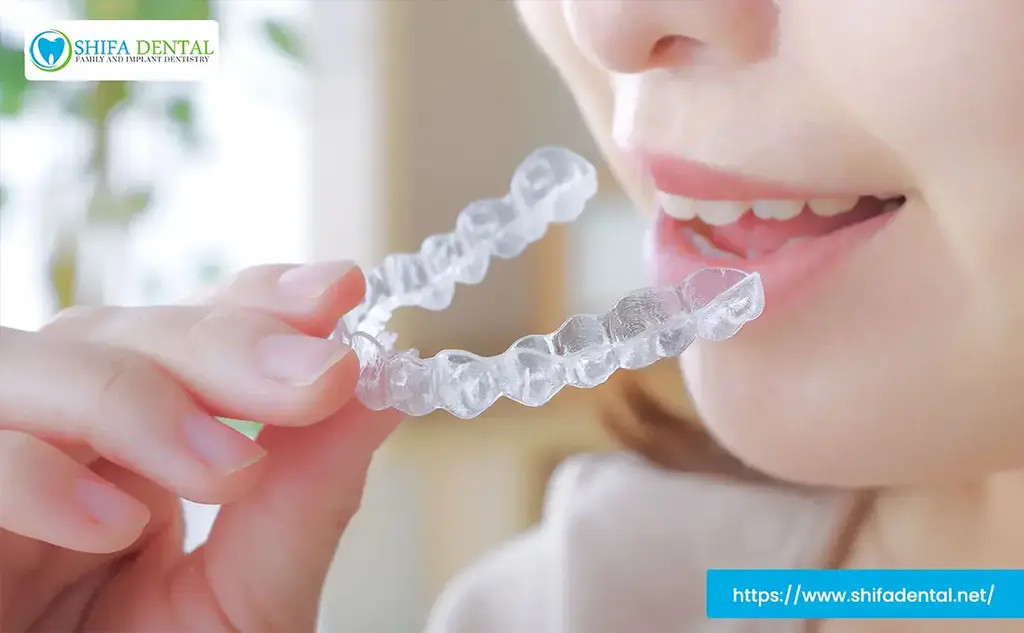
A good night guard must:
- Keep straight without moving.
- Not cause pressure points on gums.
- Free mouth and breathing.
It will not be helpful in the long term if it is distracting.
6. Look at the Material Quality
Night guards are made from different materials. Some are soft rubber-like materials, while others are strong acrylic-based types.
Better quality material means:
- Longer lifespan
- Less odor over time
- Better resistance to chewing force
Low quality materials may crack or deform quickly, especially if grinding is strong.
7. Think About Daily Cleaning and Care
In order to be kept long enough, a night guard should be regularly cleaned. Certain materials are more easily cleaned than others.
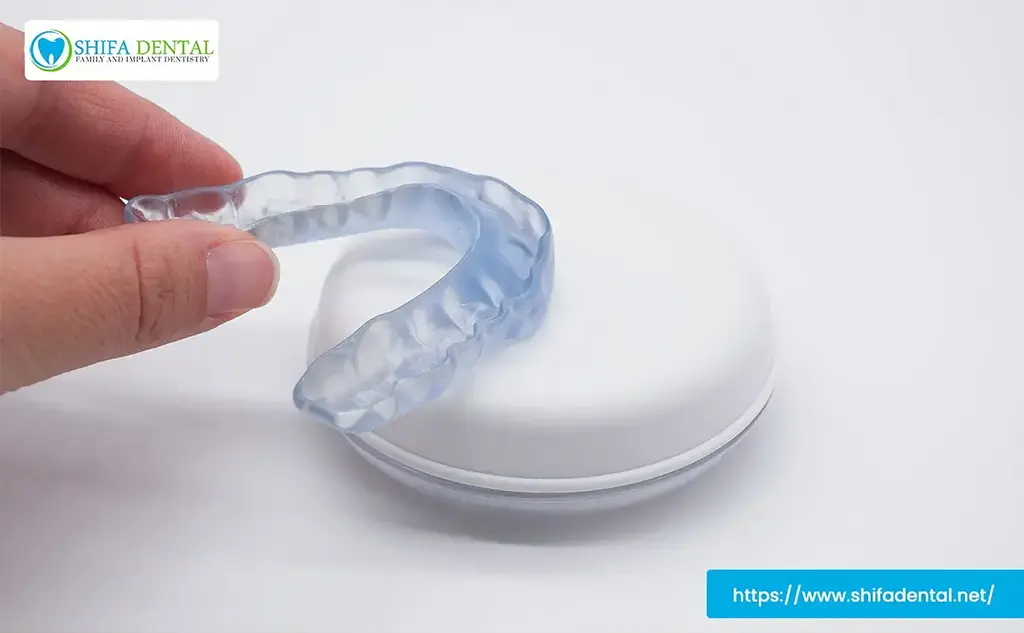
Check if:
- It is easy to rinse.
- It is not gripping.
- It has easy care guidelines.
When the cleaning process seems complex, the individuals tend to give up on it and thus end up maintaining it poorly, lowering its lifespan.
8. Make Sure it Fits Your Sleep Habits
Some people sleep on their back, others on their side or stomach. The position can affect how stable the guard stays in your mouth.
If you move a lot during sleep, a tighter and more secure fit is usually better. A loose guard may shift and reduce protection.
9. Get Professional Guidance Before Final Choice
Even though many options are available online or in stores, a dental check can help you avoid wrong choices.
A dentist can:
- Check wear on your teeth
- Suggest the right type of guard
- Ensure your jaw alignment is safe
This step helps avoid trial and error.
Why Shifa Dental is a Strong Choice for Night Guards in Garland, TX
Choosing the right clinic matters as much as choosing the guard itself. Shifa Dental is known for providing custom dental care focused on comfort and practical results.
They focus on making night guards that match individual bite patterns instead of using one standard design for everyone. This helps reduce discomfort and improves daily use.
Another benefit is that they guide patients clearly through each step, from checking grinding signs to final fitting. This reduces confusion and helps people understand what they are getting and why it suits them.
For those with strong grinding or jaw tension, having professional support makes the process easier and more accurate.
Simple Care Tips After Buying a Night Guard
Once you get your guard, basic care keeps it in good condition:
- Rinse it after every use
- Store it in a dry case
- Avoid hot water that can change its shape
- Clean it gently with a soft brush
These habits help maintain its shape and cleanliness.
Ready to Get Proper Teeth Protection for Your Teeth?
A night guard only works well when it actually fits your bite and matches how much pressure your teeth go through at night. That’s why getting it checked and made with proper guidance matters more than picking a random option.
If you want something that feels right from the start and is made according to your teeth, you must be wondering about an affordable dentist near me. In that case, a visit to Shifa Dental is a solid place to begin. They can check your grinding level, explain what type of guard suits you, and make sure the fit is comfortable enough for daily use.
Booking a consultation there can help you avoid guesswork and get a night guard that actually does its job while you sleep.
FAQs
It depends on the material and grinding strength. Some last a few months, while custom ones can last a few years with proper care.
Yes, but a dentist visit helps you choose the right type and avoid discomfort or poor fit.
No, it does not stop the habit. It protects teeth from damage while grinding continues.
A short adjustment period is common. If discomfort stays after several days, the fit may not be right.
If you wake up with jaw pain, worn teeth, or if a soft guard wears out quickly, a stronger type may be better.