



Tooth removal is sometimes more complex than a simple pull. In certain cases, a tooth sits deep in the gum or breaks under the surface, and that is when surgical removal becomes the right option. It is a common dental procedure done to reduce pain, stop infection, or prepare the mouth for better oral health. Many people feel nervous when they hear the word “surgery,” but the process is planned, controlled, and focused on comfort.
This guide explains how surgical tooth removal works, when it is needed, what happens during the procedure, and how recovery usually goes.
What’s Surgical Tooth Removal
Surgical tooth removal is a dental procedure used when a tooth cannot be removed with basic extraction tools. Instead of pulling the tooth directly, the dentist makes a small opening in the gum to reach it. In some cases, the tooth is divided into smaller parts before removal.
This method is often used for teeth that are broken, impacted, or stuck below the gum line. Wisdom teeth are one of the most common examples. Dentists recommend this approach when a simple extraction could cause damage to nearby teeth or bone. The goal is to remove the tooth safely while keeping the surrounding tissues as protected as possible.
When This Procedure Is Needed
Surgical removal is necessary in a couple of situations. An impacted tooth is one of the most common reasons. It occurs when a tooth fails to emerge from the gum and becomes lodged in the jaw. It may bring pain, swelling, or infection.
The other cause is extreme tooth decay. When decay is severe and the tooth structure is significantly damaged, it may leave insufficient structure to remove it as a whole. This approach is also needed in fractured teeth. When a tooth fractures at the gum line, it cannot be held by normal tools.
Another issue is infection. Removing the tooth can be used to prevent further complications when an infection spreads around the root of a tooth. Others also require the process to be done due to orthodontic reasons. Removal of some teeth in congested mouths can facilitate the space creation in alignment treatments.
Preparation Before the Procedure
The dentist carefully examines the tooth before it is removed. This typically involves X-rays to determine the location of the roots and the bone around them. The pictures assist the dentist in strategizing the safest means of extracting the tooth.
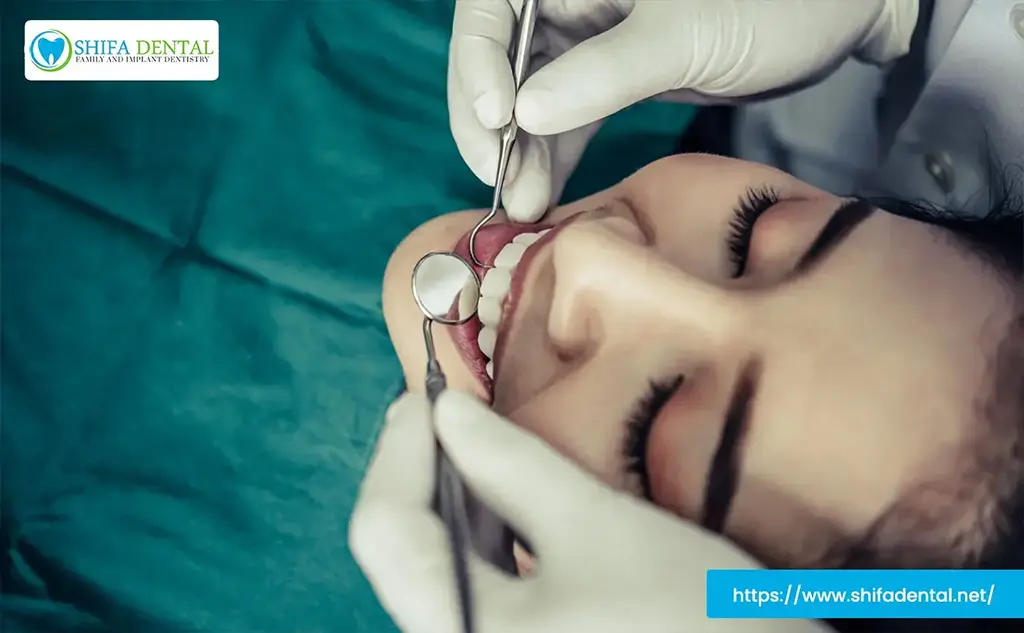
Medical history is also examined by the dentist. Conditions such as diabetes, blood pressure problems, or blood-thinning drugs are considered. This will assist in minimizing the risks in the process.
Beforehand, patients are usually advised to have a light meal and to make transport arrangements in case of sedation. There are clear guidelines on what to do prior to the appointment to ensure that nothing goes wrong.
What Happens During the Procedure
It starts with the local anesthesia of the area. This makes sure that the patient is not in pain when it is removed. Sedation can also be employed in certain situations to aid in relaxation.
After the area is numb, the dentist cuts a small hole in the gum to reveal the tooth. A small portion of bone that covers the tooth can be scraped off when necessary. When the tooth is big or hard to pull out in one piece, it can be cut into parts. This makes it easier to take out without putting pressure on surrounding areas.
Once the tooth has been taken away, the area is cleaned. The remaining debris is removed, and the gum is stitched up in case of need. These sutures can either break down or be removed at a later date. Gauze is put over the area to keep the bleeding down and aid in clotting.
Pain Control and Comfort Measures
The modern dental methods are very much concerned with comfort. Local anesthesia will prevent pain during the procedure, and patients are not likely to experience sharp pain, but they will feel the pressure. To those who are anxious, there are sedation alternatives that may be used to ensure that the mind is not agitated. This will enable the dentist to operate effectively and the patient to be relaxed. Mild discomfort is a normal occurrence after the procedure, but it can be treated with prescribed or recommended pain relief medication.
Recovery After Surgical Tooth Removal
Healing begins immediately after the tooth is removed. A blood clot forms in the socket, which plays a key role in recovery. It protects the bone and nerves underneath and helps new tissue grow.
Swelling may appear for the first one to two days. Applying a cold compress can help reduce it. Soft foods are recommended during the early healing period. Items like yogurt, soup, and mashed vegetables are easier to eat.
It is important to avoid smoking, drinking through a straw, or rinsing too forcefully. These actions can disturb the healing clot and slow recovery. Most people start feeling better within a few days. Full healing of the gum may take a couple of weeks, depending on the complexity of the extraction.
Possible Risks and How They Are Managed
Like any medical procedure, surgical tooth removal has some risks. These include swelling, mild bleeding, infection, or temporary stiffness in the jaw. A less common issue is dry socket, which happens when the healing clot gets dislodged too early.

This can cause pain and delay healing, but it can be treated easily by a dentist. Following aftercare instructions carefully reduces most risks. Regular checkups also help ensure proper healing.
Aftercare Tips for Better Healing
Good aftercare makes a big difference in recovery. Patients are usually advised to rest for the first 24 hours. Physical activity should be limited during this time. Keeping the mouth clean is important, but brushing near the extraction site should be gentle. Warm salt water rinses may be suggested after the first day to keep the area clean.
Eating soft, cool foods helps avoid irritation. Gradually, normal foods can be added back into the diet as comfort improves. Attending follow-up visits allows the dentist to check healing and remove stitches if needed.
How Shifa Dental Supports Patients
Shifa Dental is known for providing careful and patient-focused dental care. In cases of surgical tooth removal, the clinic follows a structured approach that begins with a detailed assessment and clear communication.
The dental team explains each step in simple terms so patients know what to expect. This helps reduce stress before the procedure. Modern tools are used to improve accuracy and comfort during treatment.
Special attention is given to pain control and hygiene standards. The clinic also provides aftercare guidance that supports smooth recovery at home. Patients are monitored when needed, especially in more complex cases, to make sure healing stays on track. The focus remains on safe treatment, comfort, and clear guidance from start to finish.
Wrapping It Up!
Surgical tooth removal is a careful dental procedure used when a tooth cannot be removed in a simple way. With proper planning, modern tools, and good aftercare, recovery is usually smooth and manageable. If you are dealing with tooth pain, swelling, or a broken tooth that needs attention, getting timely care is important. Early treatment can prevent further discomfort and complications.
Shifa Dental offers reliable support for surgical tooth removal and other dental concerns. At our clinic, procedures are performed by experienced dental professionals using modern surgical techniques. Booking a consultation can help you understand your condition clearly and receive the right treatment plan for your needs.
FAQs
Most procedures take between 30 minutes and an hour, depending on the tooth’s position and complexity.
Some patients may need stitches to help the gum heal properly, especially after impacted tooth removal.
You can talk, but it is best to limit excessive speaking for the first few hours to avoid disturbing the extraction site.
Avoid hard, crunchy, spicy, or very hot foods until the area has had time to heal.
Yes. It can lead to pain, swelling, infection, damage to nearby teeth, and ongoing oral health issues.