


A loose tooth can be alarming for anyone. While loose baby teeth are a normal part of childhood, loose permanent teeth are often a sign that something is affecting the health of your gums, bone, or supporting dental structures. If ignored, a loose tooth can become increasingly unstable and may eventually lead to tooth loss.
For residents of Plano, understanding the causes of loose teeth and learning how to prevent them can help protect long-term oral health. Whether the problem is related to gum disease, injury, teeth grinding, or poor oral hygiene, early intervention often makes a significant difference.
This guide explores the most common causes of loose teeth, treatment options, and practical prevention strategies that can help you maintain a healthy smile for years to come.
What Causes Loose Teeth?
Permanent teeth are supported by gums, ligaments, and jawbone. When any of these structures become damaged or weakened, teeth can begin to loosen.
Gum Disease
One of the leading causes of loose teeth in adults is gum disease. This condition starts when plaque and bacteria accumulate around the gumline.
In the early stage, known as gingivitis, gums may become red, swollen, and prone to bleeding. If left untreated, the infection can progress into periodontitis, a more advanced form of gum disease that damages the tissues and bone supporting the teeth.
As bone loss occurs, teeth may begin to shift, loosen, or even fall out.
Common signs of gum disease include:
- Bleeding gums
- Persistent bad breath
- Swollen or tender gums
- Gum recession
- Loose teeth
- Pain while chewing
Regular dental visits and professional cleanings can help identify gum disease before it causes serious damage.
Poor Oral Hygiene
Inadequate brushing and flossing allow plaque and tartar to accumulate on teeth and gums. Over time, bacteria create inflammation that weakens the structures supporting the teeth.
Maintaining a consistent oral hygiene routine is one of the most effective ways to reduce the risk of loose teeth. Many patients benefit from routine teeth cleaning plano tx services to remove plaque and tartar that cannot be eliminated through brushing alone.
Teeth Grinding and Clenching
Many people grind or clench their teeth while sleeping without realizing it. This condition, known as bruxism, places excessive pressure on teeth and their supporting structures.
Over time, chronic grinding can cause:
- Tooth wear
- Cracked teeth
- Jaw pain
- Gum recession
- Tooth mobility
A custom night guard may help protect teeth from excessive force and reduce the risk of loosening.
Dental Trauma
Sports injuries, accidents, falls, and direct impacts to the mouth can damage the tissues that hold teeth in place.
Even if a tooth does not immediately fall out, trauma can weaken the surrounding ligament and bone, causing the tooth to loosen over time.
If you experience dental trauma, immediate evaluation is important to improve the chances of saving the affected tooth.
Osteoporosis
Osteoporosis affects bone density throughout the body, including the jawbone. As bone mass decreases, teeth may lose some of their support and become unstable.
Research has shown a connection between osteoporosis and an increased risk of tooth loss, particularly among older adults.
Hormonal Changes
Hormonal fluctuations can affect gum health and tooth stability. During pregnancy, increased levels of estrogen and progesterone can temporarily loosen the ligaments supporting teeth.
Although these changes are often temporary, maintaining excellent oral hygiene during pregnancy remains important.
Smoking and Tobacco Use
Smoking significantly increases the risk of gum disease and bone loss. Tobacco products reduce blood flow to the gums, impair healing, and make it easier for harmful bacteria to thrive.
Individuals who smoke are more likely to experience:
- Gum infections
- Bone deterioration
- Tooth mobility
- Tooth loss
Quitting tobacco use can greatly improve oral health and overall wellness.
Warning Signs of a Loose Tooth
Recognizing the early symptoms of tooth instability allows for faster treatment and better outcomes.
Signs that may indicate a loose tooth include:
- Tooth movement when touched
- Discomfort while chewing
- Gum swelling
- Bleeding gums
- Changes in bite alignment
- Receding gums
- Increased tooth sensitivity
If you notice any of these symptoms, scheduling a dental examination as soon as possible is recommended.
How Dentists Diagnose Loose Teeth
A dental evaluation helps determine the underlying cause of tooth mobility.
Your dentist may perform:
Clinical Examination
The tooth’s stability, gum condition, and surrounding tissues are carefully evaluated.
Digital X-Rays
X-rays reveal bone loss, infection, fractures, and other issues that may not be visible during a visual examination.
Periodontal Assessment
Special measurements are used to evaluate gum health and determine whether periodontal disease is contributing to the problem.
An accurate diagnosis allows for the development of a personalized treatment plan.
Treatment Options for Loose Teeth
The appropriate treatment depends on the cause and severity of the condition.
Professional Dental Cleaning
If plaque and tartar buildup are contributing to gum inflammation, professional cleaning may help restore gum health.
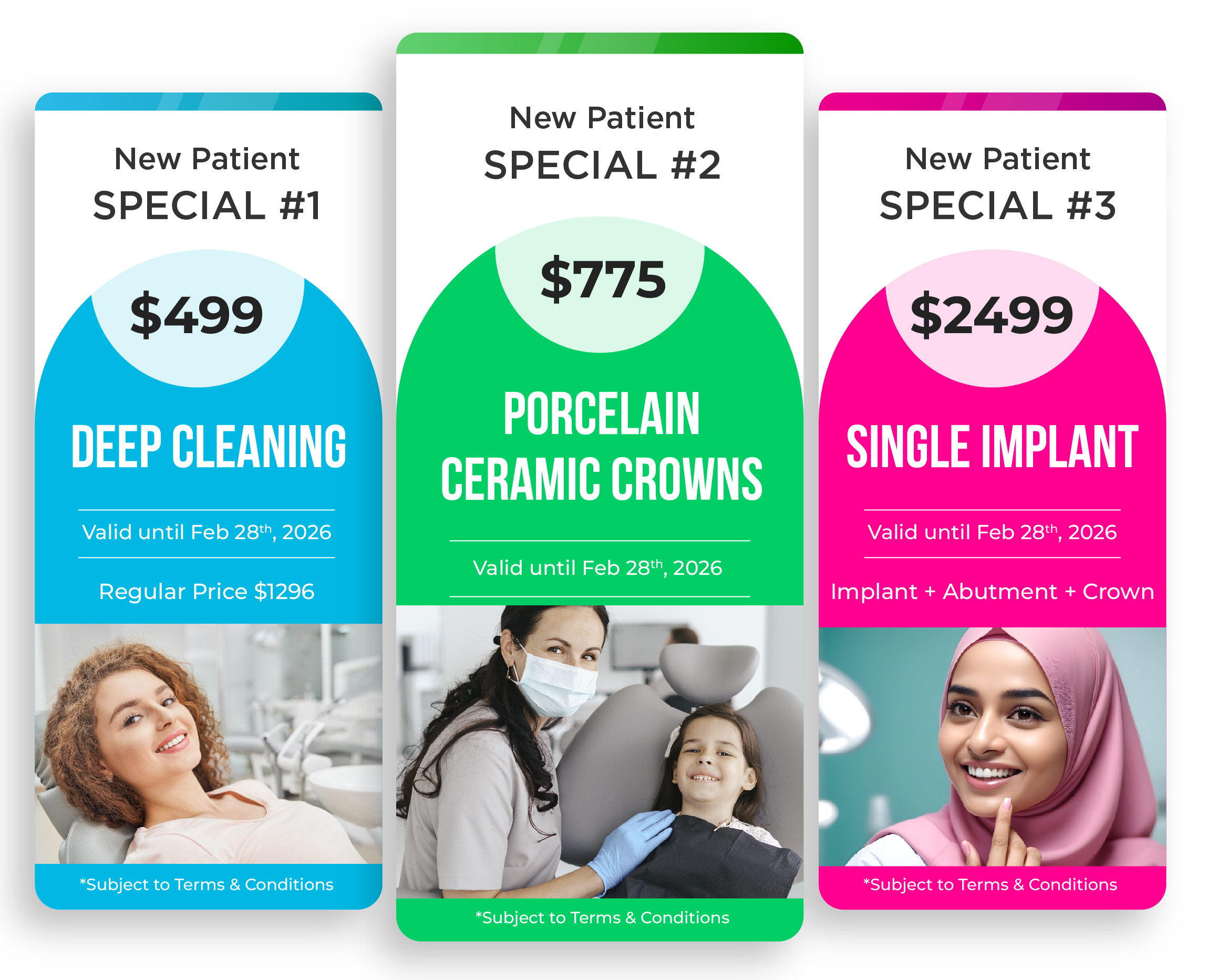
Many patients searching for teeth cleaning near me are surprised to learn that routine cleanings play a major role in preventing loose teeth and maintaining healthy gums.
Deep Cleaning for Gum Disease
For patients with periodontal disease, a more advanced cleaning procedure may be necessary.
A deep teeth cleaning plano procedure, often called scaling and root planing, removes bacteria and tartar from below the gumline. This treatment helps reduce inflammation and encourages gum tissue to reattach to tooth surfaces.
Splinting
In some cases, a loose tooth can be stabilized by attaching it to neighboring teeth using a dental splint.
This technique provides support while the surrounding tissues heal.
Night Guards for Bruxism
Patients who grind their teeth may benefit from a custom night guard.
Reducing excessive pressure can prevent further damage and improve tooth stability.
Periodontal Therapy
Advanced gum disease often requires specialized periodontal treatment to stop infection and preserve supporting bone.
Treatment may include:
- Scaling and root planing
- Antibiotic therapy
- Periodontal maintenance visits
- Surgical procedures when necessary
Bone Grafting
When significant bone loss has occurred, bone grafting procedures may help rebuild support around affected teeth.
Tooth Replacement Options
If a tooth cannot be saved, replacement options may include:
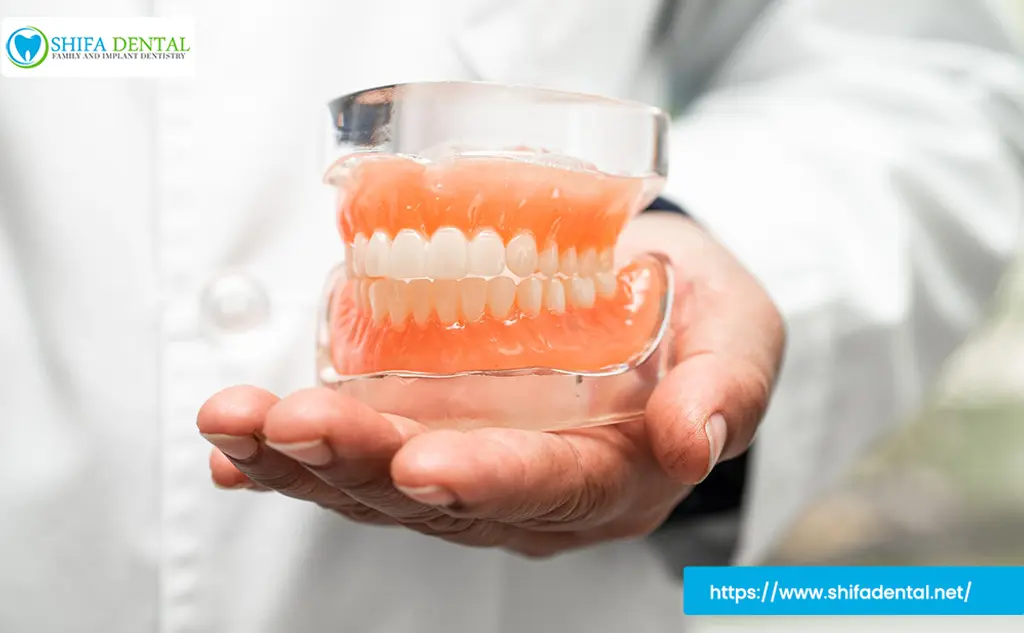
- Dental implants
- Dental bridges
- Partial dentures
Replacing missing teeth helps maintain chewing function and prevents shifting of surrounding teeth.
How to Prevent Loose Teeth
While not every case can be prevented, many risk factors can be managed through healthy habits and regular dental care.
Brush and Floss Daily
Proper brushing and flossing remove plaque and bacteria before they can damage gums and bone.
For best results:
- Brush twice daily
- Use fluoride toothpaste
- Floss once daily
- Replace toothbrushes regularly
Schedule Regular Dental Checkups
Routine dental visits allow dentists to identify early signs of gum disease and other issues before they become serious.
Professional teeth cleaning plano tx appointments can help keep plaque accumulation under control and support long-term oral health.
Treat Gum Disease Early
The sooner gum disease is addressed, the better the chances of preserving healthy teeth and bone.
Ignoring bleeding gums or persistent inflammation can allow the condition to progress.
Wear a Mouthguard During Sports
Athletes should wear properly fitted mouthguards during contact sports to reduce the risk of dental injuries.
Address Teeth Grinding
If you wake up with jaw pain, headaches, or worn teeth, discuss the possibility of bruxism with your dentist.
Early treatment can help prevent future tooth mobility.
Maintain a Healthy Diet
A balanced diet supports gum health and strong bones.
Focus on foods rich in:
- Calcium
- Vitamin D
- Phosphorus
- Vitamin C
Limiting sugary foods and beverages can also reduce the risk of oral health problems.
Avoid Tobacco Products
Stopping smoking and tobacco use significantly lowers the risk of gum disease and tooth loss.
When Should You See a Dentist?
A loose permanent tooth should never be ignored. Early treatment can often prevent further damage and improve the chances of saving the tooth.
Schedule a dental evaluation if you experience:
- Tooth movement
- Bleeding gums
- Persistent bad breath
- Gum recession
- Pain while chewing
- Changes in bite alignment
Prompt care can help identify the underlying cause and provide appropriate treatment before the condition worsens.
Conclusion
Loose teeth are often a warning sign that something is affecting the health of your gums, bone, or supporting structures. Gum disease, trauma, teeth grinding, osteoporosis, and poor oral hygiene are among the most common causes.
Fortunately, many cases can be prevented through regular dental visits, proper home care, and timely treatment of underlying conditions. Whether you need preventive care, periodontal therapy, or a comprehensive evaluation, addressing the issue early offers the best opportunity to protect your smile.
If you notice any signs of tooth mobility, seeking professional dental care promptly can help preserve your natural teeth and maintain long-term oral health.