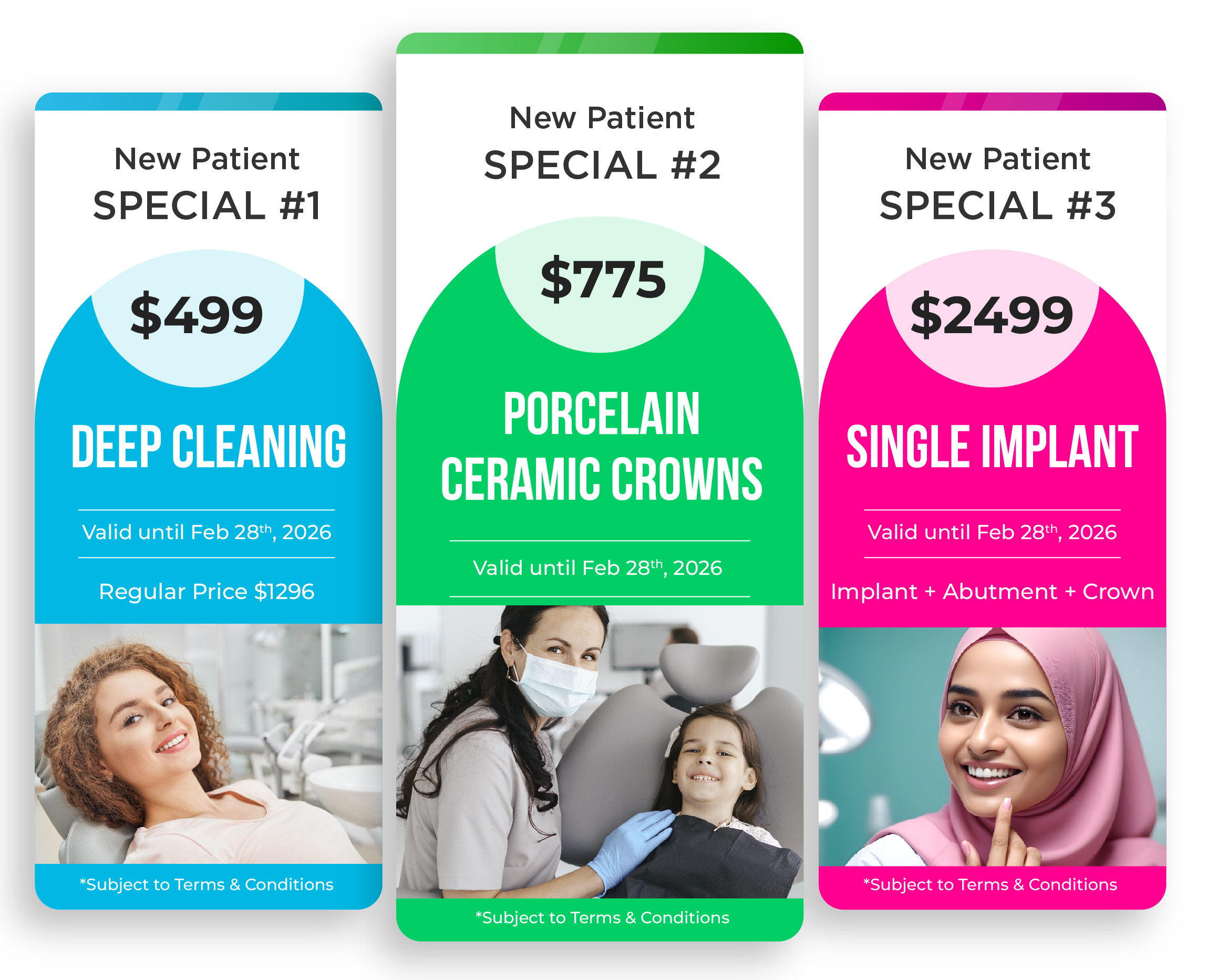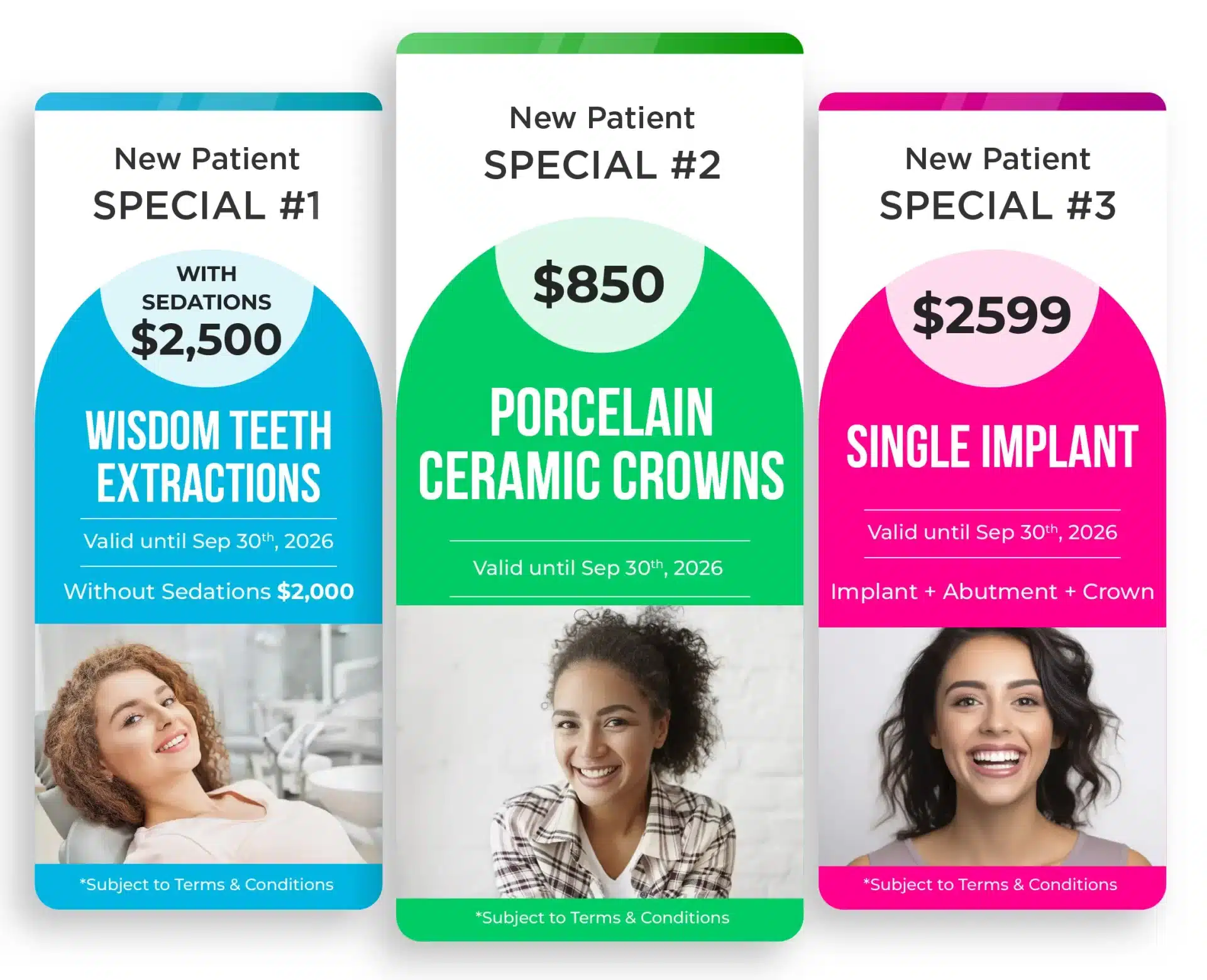


Losing a tooth unexpectedly can feel stressful and overwhelming. Whether it happens from trauma, decay, gum disease, or a failed dental restoration, most people want a fast and reliable solution. Are you looking for fix dental implants near me? If you are searching for “fix dental implants,” then connect with Shifa Dental. You will get a deep understanding of the treatment that even helps you feel more confident about what to expect. Today’s implant procedures are carefully planned, minimally invasive, and designed to provide long-term stability.
If you have been searching online for fix dental implants near me, understanding the treatment process can help you feel more confident about what to expect. Today’s implant procedures are carefully planned, minimally invasive, and designed to provide long-term stability.
If you face the difficulties of a missing tooth, then fixed dental implants at Shifa Dental are all you need. The missing tooth can affect speech, chewing and confidence; for a fast and reliable solution. The latest in implant dentistry makes it possible to replace a tooth with a natural-looking real tooth. In this blog post, we explain the process of permanent dental implants and the recovery process.
Why a Missing Tooth Should Be Fixed Quickly?
A missing tooth is not just a cosmetic issue. Delaying treatment can lead to:
- Shifting of nearby teeth
- Bone loss in the jaw
- Difficulty chewing
- Changes in speech
- Increased wear on remaining teeth
- Gum problems and bite misalignment
Seeking fix dental implants near me early can help prevent these complications and preserve your long-term oral health.

Step-by-Step Fixed Dental Implants
Step 1: Emergency Consultation For Full Arch Fixed Dental Implants
The process begins with a dental exam and imaging. Your dentist will evaluate:
- The missing tooth area
- Jawbone density
- Gum health
- Bite alignment
- Any signs of infection or damage
Unique technology are used for digital X-rays or 3D scans to plan treatment precisely. This visit helps determine whether you are a candidate for fixed dental implants or another tooth replacement option.
What happens during this visit?
- Review of your dental and medical history
- Discussion of treatment goals
- Examination and imaging
- Cost and timeline overview
- Planning for any preparatory procedures, such as bone grafting
Step 2: Preparing the Implant Site
Are you looking for fix dental implants near me? If the tooth was lost, the area may need time to heal before going to implant placement. In short, preparation can happen immediately. Possible preparation of implant retained dentures procedures include:
- Bone grafting: adds bone material if the jawbone is too thin or weak.
- Tooth extraction: removes any damaged tooth remnants before implant placement.
- Gum treatment: addresses infection or inflammation before surgery.
A healthy foundation is essential for successful permanent dental implants.
Step 3: Implant Placement Surgery
This is the most important procedure where the titanium implant post is placed into the jawbone. The implant acts as an artificial tooth root. How the implant surgery works?
- The area is numbed with local anesthesia, and sedation may also be available.
- A small opening is made in the gum.
- The implant is carefully positioned in the jawbone.
- The gum is closed around the implant.
The implant supported teeth procedure is usually completed in one visit. Meanwhile, it is often less uncomfortable procedure than patients expect. After surgery at Shifa Dental, you may experience the following:
- Mild swelling
- Minor discomfort
- Temporary tenderness
- Light bleeding for the first day
Are you searching for fixed dental implants near me? Before consultant Shifa Dental be sure to check these symptoms typically improve within a few days.
Step 4: Healing Process
The implant bonds with the jawbone in a process called osseointegration over the next few months. It will creates a stable and strong foundation for the replacement tooth.
Typical healing timeline:
| Healing Phase | Estimated Time |
| Initial gum healing | 1–2 weeks |
| Bone integration | 3–6 months |
| Final restoration placement | After integration is complete |
Your dentist may provide a temporary tooth so the gap is less noticeable during this period. Your dentist also consider full arch fixed dental implants.
Step 5: Abutment Placement
Once the implant has fully integrated with the bone, a small connector piece called an abutment is attached to the implant. The abutment placement procedure are:
- Connects the implant to the final crown or bridge
- Shapes the gum tissue for a natural appearance
- Provides a secure base for the restoration
This is usually a minor procedure with minimal discomfor, when considering the implant supported teeth.
Step 6: Final Restoration
This is the final step, where the process of placing the custom-made crown, bridge, or denture take place. The teeth restoration is designed to match the shape, color, and function of your natural teeth. Depending on your needs, the final restoration may be:
- A single crown for one missing tooth
- A bridge supported by implants
- Implant supported teeth for multiple missing teeth
- Full arch fixed dental implants for extensive tooth loss
At this stage, you can chew, speak, and smile with confidence again.
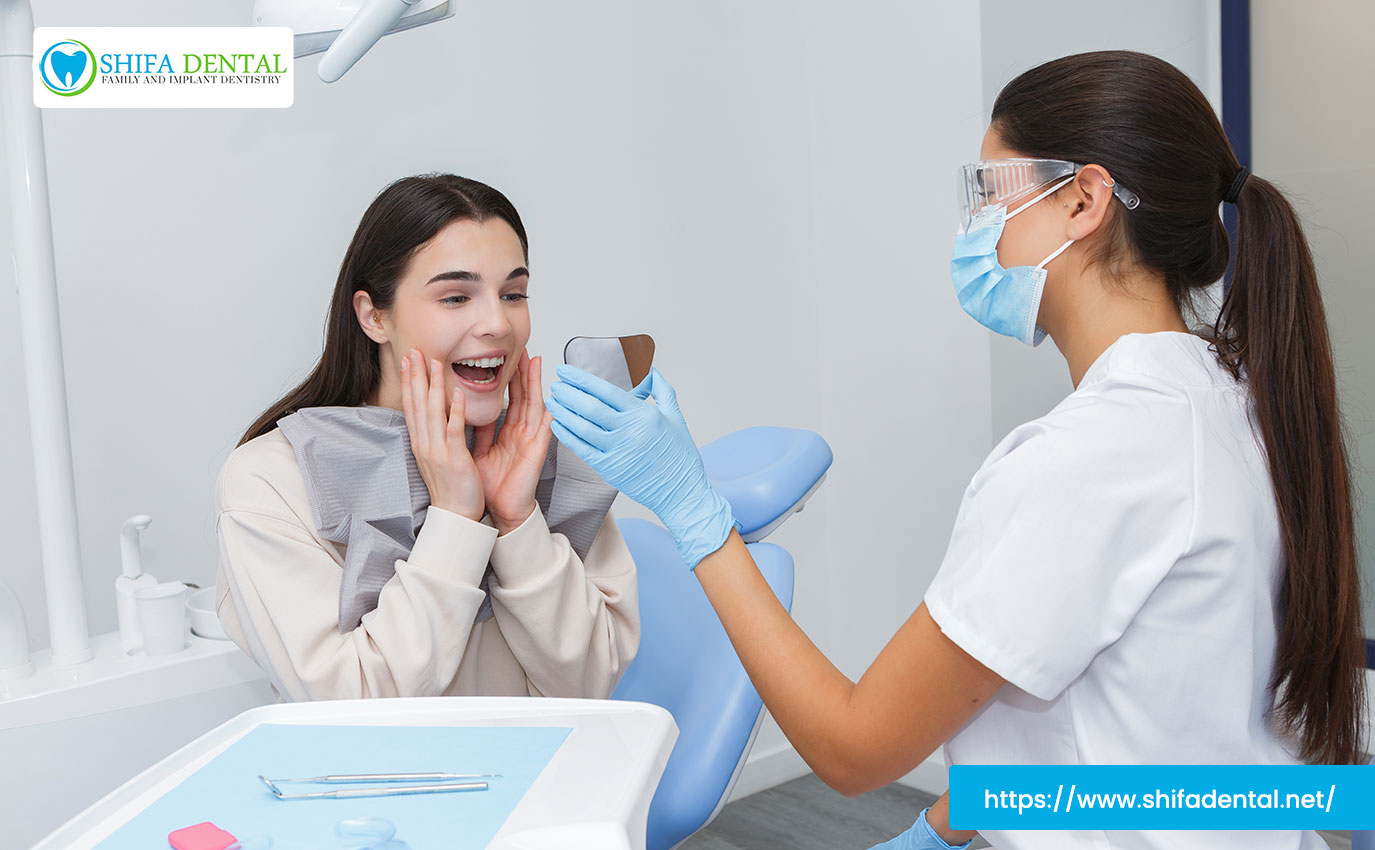
Types of Implant Restorations
1- Single Tooth Implants
Ideal for replacing one missing tooth without affecting neighboring teeth.
2- Fixed Dental Implants
Fixed dental implants are permanently attached and do not need to be removed for cleaning. They offer excellent stability and a natural feel.
3- Implant Supported Teeth
These restorations use implants to support multiple replacement teeth, providing stronger support than traditional bridges.
4- Full Arch Fixed Dental Implants
For patients missing most or all teeth in an arch, full arch fixed dental implants can restore an entire upper or lower smile with a stable, long-lasting solution.
Implant Retained Dentures
Implant retained dentures use implants for added stability while remaining removable for cleaning. They are more secure than traditional dentures.
Recovery and Aftercare of Fixed Dental Implants
Proper aftercare is essential for successful healing and long-term implant health. Follow these guidelines after surgery:
- Eat soft foods for several days
- Avoid smoking and tobacco use
- Keep the area clean with gentle brushing and rinsing
- Take prescribed medications as directed
- Attend all follow-up appointments
Most patients can return to normal daily activities within a day or two. Indeed complete healing takes longer.
Benefits of Fixed Implant Solutions
Many patients prefer fixed dental implants because they offer:
- Stable chewing and speaking
- A natural appearance
- Long-term durability
- Bone preservation
- No slipping or movement
- Improved comfort compared with removable options
Full arch fixed dental implants can dramatically improve quality of life by restoring both function and confidence for extensive tooth loss.
Fix Dental Implants Near Me
An urgent missing tooth fix involves several carefully planned steps, from consultation and implant placement to healing and final restoration. Modern implant dentistry provides reliable, long-lasting solutions that look and function like natural teeth.
Whether you need a single replacement, implant-supported teeth, or full-arch fixed dental implants, prompt treatment can protect your oral health and restore your smile. Are you looking for fix dental implants near me? Shifa Dental is your first step when searching for professional dental implants treatment. Here you will get custom treatment plan for your needs.
FAQ
An implant can be placed immediately after tooth extraction. Other patients may need healing time or bone grafting first.
Yes. Fixed dental implants are designed to be a long-term solution and are permanently attached rather than removable.
The full process can take several months because the implant must bond with the jawbone before the final restoration is placed.
Yes. Once healing is complete, implant-supported teeth allow you to chew comfortably and enjoy most foods.
Yes. Full-arch fixed dental implants are specifically designed for patients who are missing most or all of their teeth in one arch and want a stable, long-lasting solution.