


If you are living with missing teeth or struggling with uncomfortable dentures, you are not alone. Thousands of residents are searching for Dental Implants Plano TX to restore their smiles, their confidence, and their ability to enjoy their favorite foods. At Shifa Dental, we understand that the decision to undergo a dental implant procedure is a significant one. It involves clinical, financial, and emotional considerations.
This article provides a comprehensive guide to the cost, procedure, and unique benefits of choosing Shifa Dental for your restorative journey in Plano and Garland, TX.
What Exactly Are Dental Implants?
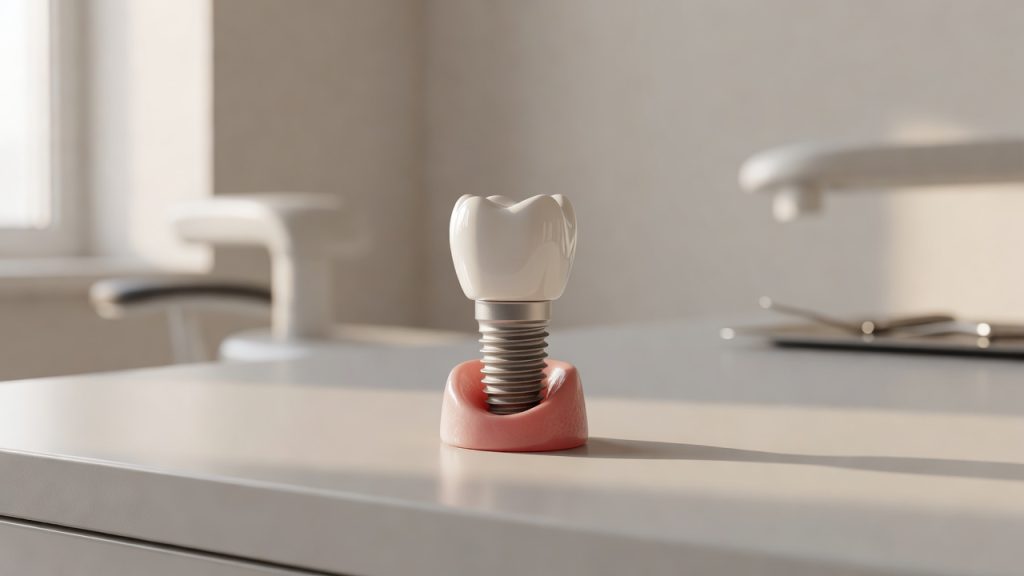
To understand why dental implants are the preferred choice for restorative dentistry in Plano, TX, it helps to look at their anatomy. A dental implant is not a single piece, but a three-part system designed to mimic the natural structure of a tooth. This biomimetic approach is what makes them so successful and durable compared to other options.
- The Implant Post: This is a small, screw-like cylinder made of medical-grade titanium or zirconia. It is surgically placed into the jawbone, where it acts as the new “root.” Titanium is used because it is biocompatible, meaning the body does not reject it, and it has the unique ability to fuse with bone tissue.
- The Abutment: Once the implant post has healed and integrated with the bone, a connector piece called an abutment is attached. This piece sits just above the gum line and serves as the anchor for the final tooth restoration.
- The Restoration (Crown, Bridge, or Denture): This is the visible part of the tooth. It is custom-crafted in a dental laboratory to match the exact shade, translucency, and shape of your surrounding natural teeth. Whether you need a single crown or a full-arch bridge, this restoration is what restores your bite and your smile.
Because the post fuses with your jawbone through a process called osseointegration, the result is a replacement tooth that feels, functions, and looks exactly like the real thing. You don’t have to worry about it slipping while you speak, clicking while you eat, or avoiding certain foods like apples, corn on the cob, or steak. It is the closest thing to getting your natural teeth back.
The Dental Implant Procedure: A Step-by-Step Journey
Many patients feel anxious about the “surgery” aspect of dental implants. However, at Shifa Dental, we use modern technology and gentle sedation techniques to make the process as comfortable and predictable as possible. Here is a detailed look at what you can expect during the procedure at our Plano and Garland, TX locations:
1. Initial Consultation and 3D Imaging
Every successful implant starts with a meticulous plan. We don’t just look at your teeth; we look at the entire structure of your face and jaw. We use digital X-rays and, when necessary, 3D Cone Beam CT scans to map out your jawbone volume, nerve paths, and sinus cavities. This precision allows us to place the implant in the optimal position for both strength and aesthetics. If you’ve been told elsewhere that you lack the bone density for implants, don’t lose hope—we offer free second opinions and can discuss options like mini-implants or bone grafting.
2. Preparatory Procedures (If Needed)
In some cases, the site needs to be prepared before the implant can be placed. If a failing tooth is still present, it must be carefully extracted. If the jawbone is too thin or soft to support an implant, a bone graft may be necessary. Bone grafting involves placing a small amount of bone material in the area to stimulate new bone growth. While this adds time to the overall process, it is essential for the long-term stability of the implant.
3. Implant Placement
During the surgical phase, the titanium post is placed into the bone. This is a routine procedure performed under local anesthesia, though we also offer sedation for patients who are particularly anxious. Most patients report that the discomfort during the procedure is minimal—often less than that of a standard tooth extraction. Once the post is placed, a healing cap is often applied, and the gums are sutured to protect the site.
4. Osseointegration (The Healing Phase)
This is the most critical stage of the journey. Over the next 3 to 6 months, your jawbone undergoes a biological miracle as it grows around and bonds with the titanium post. This creates a foundation that is arguably stronger than a natural tooth root. During this time, you may be fitted with a temporary restoration so you never have to walk out of our office with a gap in your smile.
5. Abutment and Final Restoration
Once the implant is fully fused, we attach the abutment and take final impressions of your mouth. These impressions are used by our master lab technicians to create your custom crown. When the final restoration is ready, you’ll return to our Plano or Garland office. We will check the fit, the bite, and the color before permanently securing it. The result is a seamless, beautiful restoration.
Comparing Your Options: Implants vs. Bridges vs. Dentures
While there are several ways to replace missing teeth, dental implants offer distinct clinical and lifestyle advantages. Below is a comparison table to help you understand the differences in longevity, maintenance, and oral health impact.
| Feature | Dental Implants | Dental Bridge | Partial Dentures |
|---|---|---|---|
| Longevity | 25+ years to lifetime | 7–15 years | 5–10 years |
| Bone Health | Stimulates bone growth | Bone loss continues | Bone loss continues |
| Adjacent Teeth | No impact | Must be ground down | Can cause wear/stress |
| Maintenance | Brush/floss like natural | Special flossing tools | Daily removal/soaking |
| Stability | Fixed; never slips | Fixed; but relies on neighbors | Removable; can slip |
Dental Implant Cost in Plano & Garland, TX
One of the most frequent questions we receive is about the dental implant cost in Plano. Because every patient’s mouth is unique, the total price can vary significantly based on several factors:
- Number of Implants: Replacing a single tooth is different from a full-arch restoration.
- Bone Density: The need for preliminary procedures like bone grafting or sinus lifts can add to the total.
- Type of Restoration: A single ceramic crown costs less than a full-arch “All-on-4” bridge.
- Material Quality: We use high-grade materials to ensure longevity, which is a better long-term value than choosing “bargain” implants that may fail.
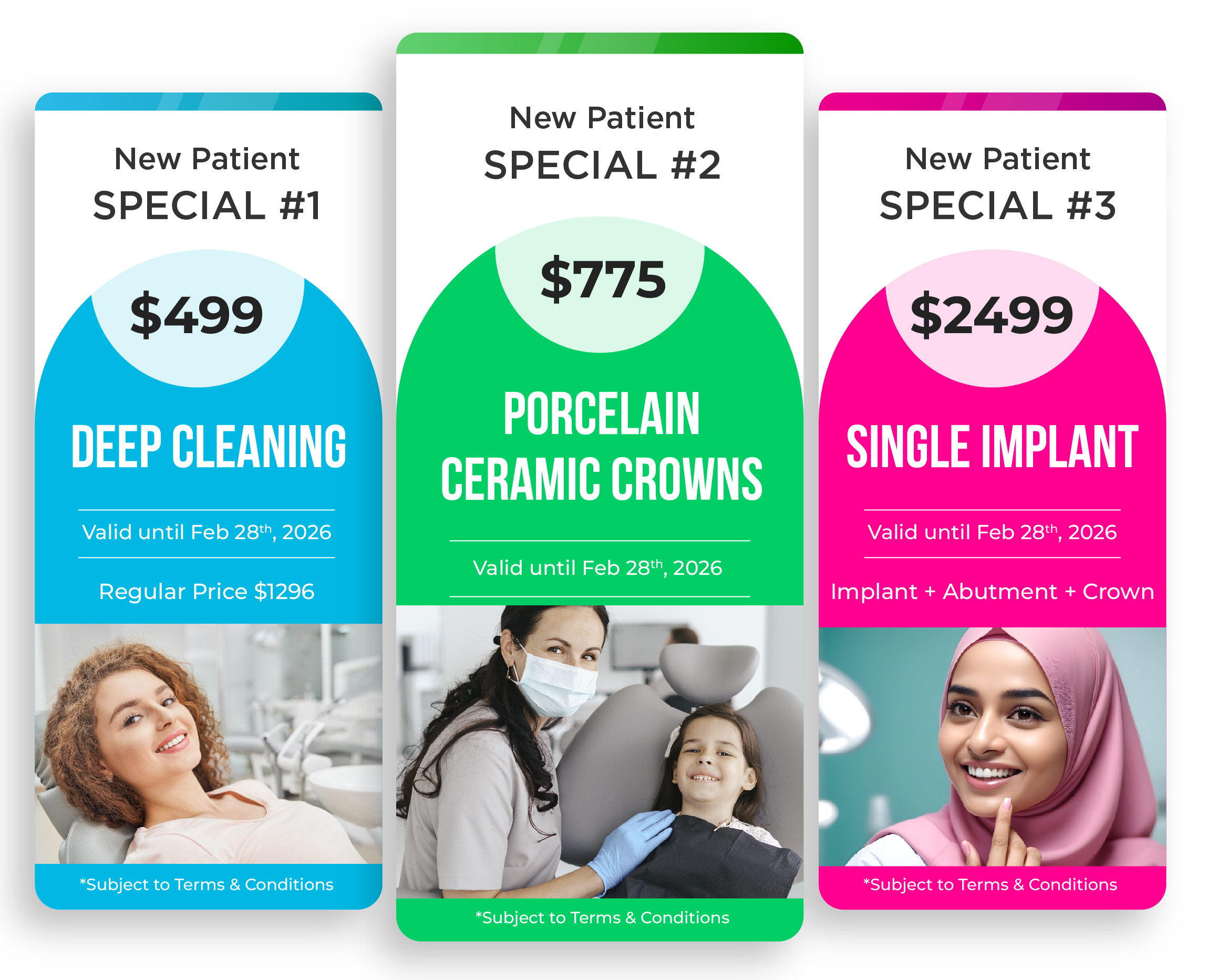
In the North Dallas area, including Plano and Garland, the average cost for a single dental implant (including the post, abutment, and crown) typically ranges from $3,000 to $5,500. While this initial cost is higher than a bridge or a denture, the lifetime value is much greater since you won’t need to pay for replacements every few years.
Why Patients Choose Shifa Dental for Implants in North Dallas
With so many dental offices in North Dallas, why do families from Plano, Garland, Richardson, and Allen choose Shifa Dental? It comes down to our commitment to patient-centered care, clinical excellence, and absolute transparency.
Advanced Technology and Expertise
We utilize the latest in restorative technology to ensure your implant is placed with surgical precision. Our team stays current on the latest protocols from organizations like the American Academy of Implant Dentistry (AAID) and the American Dental Association (ADA). Whether you need a single tooth replacement or a full-mouth restoration like All-on-4 dental implants, we have the expertise and the technology to handle your case in-house.
Convenience for Busy Families
We know your time is valuable. That is why our Plano office is open on Saturdays (9 AM–3 PM). We also offer early morning and afternoon appointments to accommodate your work and school schedules. We also welcome walk-ins and same-day emergency appointments for those times when you can’t wait for relief.
A Multilingual and Welcoming Environment
Communication is the foundation of trust. Our staff is fluent in English, Urdu, Punjabi, Telugu, Kannada, and Spanish. We want you to feel heard and comfortable throughout every step of your treatment. From the moment you walk in, you’ll experience a warm, reassuring atmosphere designed to de-escalate dental anxiety. We treat our patients like family, not just “cases.”
How to Ensure Your Implant Lasts a Lifetime
While dental implants have a success rate of over 95%, their longevity depends heavily on both the skill of the dentist and the care of the patient. Here are the key factors for a successful outcome:
1. Jawbone Health
The implant needs bone to hold onto. If you’ve been missing a tooth for years, the bone in that area may have “melted away” (resorption). We use high-resolution imaging to determine if you need a bone graft to strengthen the site before placement.
2. Gum Health
Healthy gums are just as important as healthy bone. Patients with active periodontal disease must have it treated before getting implants. Once the implant is in place, maintaining healthy gums is the best way to prevent “peri-implantitis,” a condition similar to gum disease that can cause an implant to fail.
3. Avoiding Tobacco
Smoking and tobacco use can significantly slow down the healing process and interfere with osseointegration. We strongly recommend that patients quit or at least pause smoking during the healing phase to ensure the best possible results.
4. Professional Maintenance
Even though an implant can’t get a cavity, it still needs professional cleaning. At Shifa Dental, we use specialized tools during your six-month cleanings to gently remove plaque from around the implant without scratching the restoration.
Conclusion
Dental implants are a strong and long-lasting way to replace missing teeth and bring back your natural smile. With proper care and regular dental visits, they can stay healthy for many years. At Shifa Dental, patients get safe, comfortable treatment designed to restore both function and confidence.
FAQs
In most cases, the process takes between 4 and 9 months. This includes the time for the bone to fuse with the implant.
Most patients are surprised by how little discomfort they feel. Because the jawbone doesn’t have many nerves, the placement itself is relatively painless.
Yes, but it must be well-managed. Chronic conditions like diabetes can affect healing times, so we will work closely with your primary care physician to ensure it is safe to proceed.
Yes. Dental implants can replace a single tooth, several teeth, or even a full set. Options like implant-supported bridges or full-arch implants help restore both function and appearance.
Dental implants are cared for like natural teeth. Brushing twice a day, flossing daily, and regular dental checkups help keep them strong and long-lasting.