

Short answer: a dental exam evaluates your teeth, gums, bite, and oral tissues, while a cleaning removes plaque and tartar when a routine cleaning is appropriate. They often happen during the same preventive appointment in Plano, but the dentist decides which services fit your mouth that day.
Key takeaways
- An exam checks your teeth, gums, bite, and oral tissues; a cleaning removes plaque and tartar.
- The dentist decides whether X-rays, a routine cleaning, or another service is appropriate.
- Ask what was found, what needs action, and what can be monitored before you leave.
Call (469) 888-3565 to schedule a Plano dental visit or book online and choose Shifa Dental – Plano.
Dental Exam vs. Cleaning in Plano, TX
Think of the exam as the assessment and the cleaning as the preventive treatment. During an exam, the dentist looks for decay, gum changes, bite concerns, damaged teeth, and changes in the soft tissues. During a routine cleaning, the dental team removes plaque and tartar that brushing and flossing cannot remove at home, then polishes the teeth when appropriate.
| Question | Dental exam | Routine cleaning |
|---|---|---|
| Who does it? | The dentist evaluates your mouth and discusses findings. | The hygienist or dental team removes plaque and tartar when appropriate. |
| What is checked? | Teeth, gums, bite, oral tissues, symptoms, and risk factors. | Plaque and tartar above the gumline, followed by polishing when suitable. |
| How long? | Time varies with your history, symptoms, and whether images are indicated. | Time varies with buildup, gum health, and whether routine cleaning is appropriate. |
| How often? | The dentist recommends an interval based on your oral health and risk. | The cleaning schedule follows the preventive plan or gum-care recommendation. |
One appointment can include an exam, indicated X-rays, and a routine cleaning. It may also change course if the exam shows gum disease, an infection, a broken tooth, or another concern that needs a different visit. That is not a failed appointment. It is how the team avoids treating every patient as though the same sequence fits every mouth.
Why the difference matters before you book
Knowing the difference helps you choose the right appointment and ask better questions. If you want a cleaning but have not had a recent exam, tell the team when you book. If you have a specific concern, such as bleeding gums or sensitivity, mention it instead of describing the visit as a routine cleaning only. The appointment may need time for an evaluation before the team can decide whether routine cleaning is appropriate.
The distinction also helps with expectations. A cleaning can leave your teeth feeling smoother, but it does not replace an exam for decay, gum changes, bite problems, or oral-tissue concerns. An exam can identify a problem, but it does not mean a filling, crown, periodontal treatment, or other procedure is completed that day. Ask what was found, what is urgent, what can wait, and whether the recommendation needs a separate appointment.
For families, each person may need a different plan. One family member may be ready for a routine cleaning, while another may need updated X-rays, gum treatment, or an urgent evaluation. Book the service based on the person’s symptoms and history rather than assuming everyone needs the same appointment length.
What happens during a Plano dental exam?
The dentist or dental team will usually start by asking why you came in and whether anything has changed since your last visit. Tell them about new medicines, pregnancy, diabetes, a heart condition, a joint replacement, tooth sensitivity, bleeding, jaw symptoms, or a sore that has not healed. Those details can affect what the dentist checks and which services are appropriate.
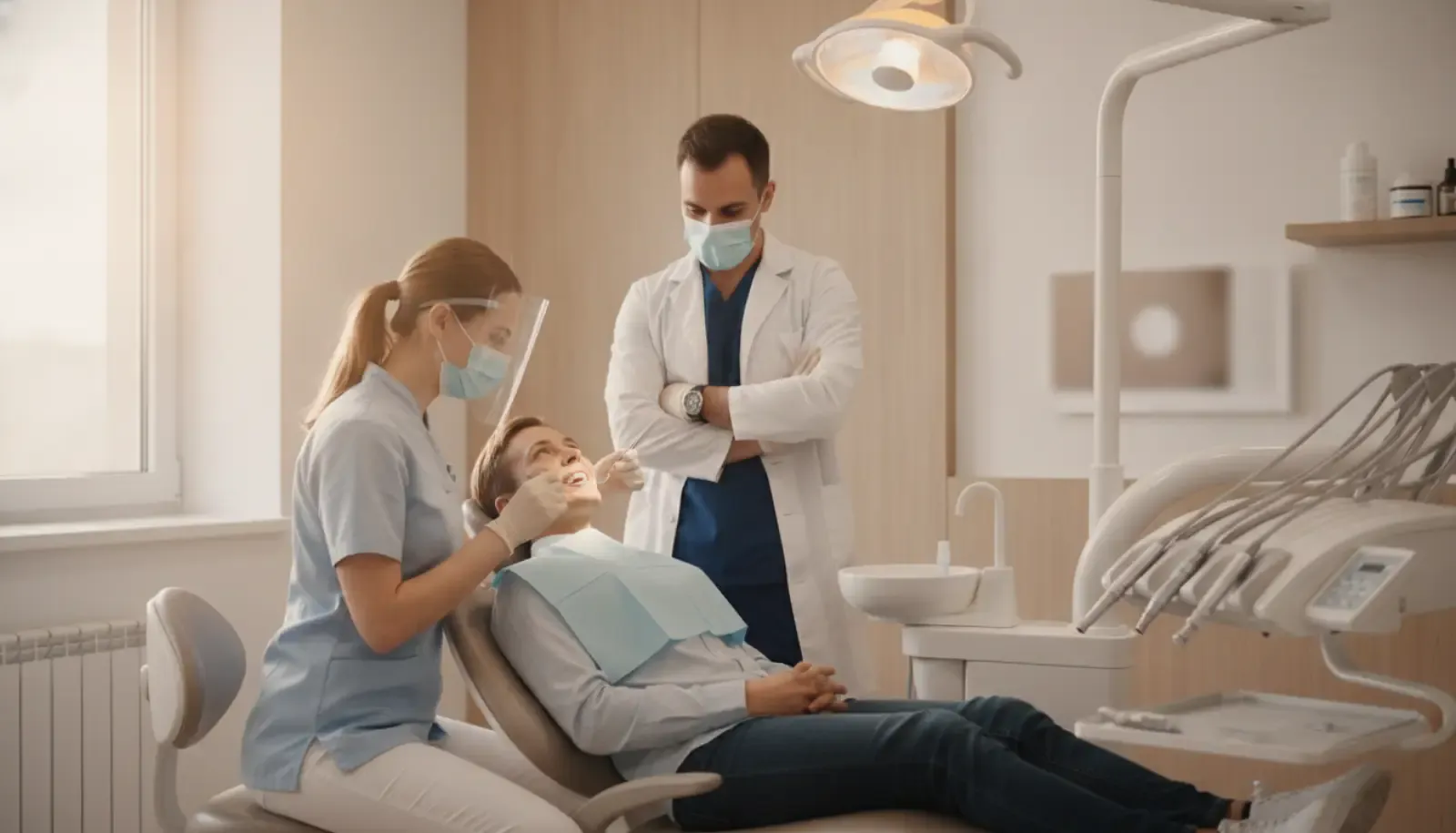
The exam may include a review of your medical and dental history, an evaluation of the teeth and gums, a bite check, and an inspection of the tongue, mouth, jaw, and neck. The dentist may discuss areas to watch, recommend treatment, or confirm that preventive care is the right plan. A recommendation is not treatment already completed, and you can ask what needs attention now versus what can be monitored.
The Plano oral exam page describes the examination service. If you are looking for care because of swelling, trauma, or pain that is getting worse, use the Plano emergency dentist path instead of waiting for a routine appointment. Same-day care depends on the schedule and the dentist’s findings.
What happens during a routine cleaning?
A routine cleaning removes plaque and tartar from the tooth surfaces and around the gumline. The hygienist may polish the teeth afterward. Fluoride may be recommended when it fits your cavity risk, but it is not automatically added to every visit. A routine cleaning is not the same as scaling and root planing, which is used when gum disease requires treatment below the gumline.
If the exam shows deep tartar, significant bleeding, gum pocketing, swelling, or bone changes, the dentist may recommend a periodontal service or another appointment rather than completing a routine cleaning that day. The Plano teeth-cleaning page is the service path for routine cleaning questions. Periodontal maintenance and scaling and root planing are different types of care.
Are X-rays part of an exam or a cleaning?
X-rays are part of the diagnostic process, not the cleaning itself. The American Dental Association’s radiograph guidance explains that there is no single X-ray schedule for every patient. Timing depends on factors such as age, oral health, symptoms, and risk. The dentist should decide whether an image is needed and what clinical question it should answer.
Bring recent images from another dental office, or provide the office name so the Plano team can request them. A usable image may prevent an unnecessary repeat. Images that are too old, incomplete, or unreadable may still need to be retaken. The Plano dental X-rays page provides the local service path, but the dentist decides whether imaging is appropriate for you.
When might I need something other than a routine cleaning?
A routine preventive visit is not designed to manage every dental problem. Pain, swelling, a broken tooth, a loose tooth, deep gum pockets, or a persistent sore can change the recommended next step. The dentist may suggest a filling, crown, periodontal treatment, urgent evaluation, or another service after reviewing the finding.
Do not assume that bleeding automatically means you need a deep cleaning, and do not assume that no pain means everything is healthy. The exam, gum measurements, images when indicated, and your history work together. Ask the dentist what was found, what needs action, and what can wait.
How insurance and the Shifa Smiles Plan fit in
Shifa Dental accepts most dental insurance plans, but you must verify your own policy. Preventive benefits can have waiting periods, annual maximums, frequency limits, and separate rules for X-rays or fluoride. Ask the insurer what your plan covers before treatment and compare the answer with the services planned for that day.
The Shifa Smiles Plan is a discount membership, not insurance. The live plan page lists $175 per year for the initial member, $150 for an additional member, and $125 for a child under 13. It also lists $499 for a specified family of four, plus a one-time nonrefundable $20 processing fee. The plan lists two regular exams and X-rays, two regular cleanings, one limited or emergency exam, and one fluoride treatment at $0. The 40% discount on other procedures excludes orthodontics, specialist-rendered care, and lab fees. The plan cannot be combined with insurance or coupons.
Those are the plan’s published terms, not a personal quote or a promise that every service is included. Ask which payment path applies to your appointment before treatment starts. Qualified applicants can also ask about CareCredit, Cherry, and in-house interest-free plans through the financing page. Approval depends on the lender and the treatment.
How to prepare for a dental exam and cleaning in Plano
You usually do not need to fast for a routine exam and cleaning. Follow different instructions if the office gives them for a separately planned service. Brush and floss normally. Bring your insurance card or membership details, a list of medicines and supplements, recent X-rays if another office has them, and the questions you want answered.
A simple plan for the appointment
These steps can help you explain what you need. You do not have to decide in advance which service the dentist should provide:
- When you book, say whether you want a routine preventive visit or have a specific concern.
- At check-in, share health changes, medicines, allergies, symptoms, and recent dental treatment.
- During the exam, ask what the dentist is checking and whether X-rays would answer a specific question.
- Before the cleaning begins, ask whether a routine cleaning is appropriate or whether another service is safer.
- Before leaving, confirm what was found, what needs action, and whether a follow-up appointment is recommended.
This approach keeps the visit focused on your needs. It also gives the team a chance to explain why the planned service may change after the exam.
Questions to ask before you leave
A clear explanation is part of a useful preventive visit. You can ask the dentist or hygienist to show you the area they are discussing or explain it in everyday language. If a recommendation is not urgent, ask what could happen if you monitor it and when you should return.
- Did today’s exam find anything that needs treatment or watching?
- Was a routine cleaning completed, or is another type of gum care recommended?
- Were X-rays taken, and what question did each image help answer?
- Which service should be scheduled next, and how soon should it happen?
- What home-care change would make the biggest difference before the next visit?
Write down the recommended next step before you leave. If the visit includes a treatment discussion, ask for time to review the options and payment questions. You can request a second opinion when you want another clinical perspective.
- Tell the team about health changes, pregnancy, new medicines, or conditions that may affect care.
- Describe sensitivity, bleeding, jaw clicking, a loose tooth, swelling, or any sore that has not healed.
- Ask whether today’s visit includes a routine cleaning, an exam only, indicated X-rays, or a different service.
- Ask which findings need a separate appointment and which can be monitored.
- Choose the Plano location when booking and confirm the appointment details before submitting the request.
For children, preventive care is matched to the child’s age, eruption stage, comfort, and oral-health needs. See the Plano pediatric dentistry page for the children’s care path. Children’s Medicaid or CHIP applies only to eligible pediatric patients, and coverage still needs to be verified.
Booking a Plano exam or cleaning
Use Shifa Dental’s online scheduling page and choose Shifa Dental – Plano. The scheduler shows the Plano office at 5509 Pleasant Valley Drive #90A, Plano, TX 75023 after that choice. You can also use the contact page and select the Plano office. If you meant to visit Garland, choose Garland instead so the request reaches the location you intend to use.
Call (469) 888-3565 to schedule a Plano dental exam or cleaning, or book online and choose Plano. Ask what the exam found, whether a routine cleaning is appropriate, and what should happen next.
Frequently asked questions
Is a dental exam the same as a cleaning?
No. An exam evaluates your teeth, gums, bite, and oral tissues. A cleaning removes plaque and tartar when a routine cleaning is appropriate. Many preventive visits include both, but they serve different purposes.
Can I get a cleaning without an exam?
The dentist or dental team must decide whether a routine cleaning is appropriate for your mouth. If the exam shows gum disease, pain, infection, or another concern, a different service may be recommended.
Will I need X-rays at every cleaning?
No. X-ray timing depends on your age, health, symptoms, risk, and recent images. The dentist decides whether an image is needed for your care.
What should I bring to a Plano dental appointment?
Bring your insurance card or membership details, a list of medicines and supplements, recent X-rays or the prior office’s name, and notes about symptoms or questions. Choose Plano in the scheduler before you submit the request.
What if I have severe pain or swelling?
Do not wait for a routine exam and cleaning. Call the office and ask about the emergency path. Same-day evaluation depends on availability and the dentist’s assessment.