

Most people don’t consider a crossbite until it becomes a problem. You may have experienced uneven wear or discomfort when chewing your food, or your dentist may have mentioned that your bite is not aligned. Of course, the next question is, what now?
Fortunately, today’s treatment options are effective and often less invasive or complicated than many people expect. Let’s take a closer look at the treatment process of a crossbite to see what you can expect.
Why Crossbite Shouldn’t Be Ignored
A crossbite is when some of the upper teeth are inside the lower teeth rather than slightly outside. A crossbite can involve one tooth or several teeth.
Many people think it’s a cosmetic problem. In fact, if a crossbite is not treated, it could cause unequal strain on the teeth and jaw. This can lead to several problems over time, including:
- Tooth wear
- Gum recession
- Jaw discomfort
- Difficulty chewing
- Increased risk of chipped teeth
- Shifting of nearby teeth
Depending on the severity and the patient’s age, dentists may recommend early evaluation and timely treatment to prevent potential complications.
The First Step: Your Initial Consultation
A thorough assessment is the first step to a successful treatment plan.
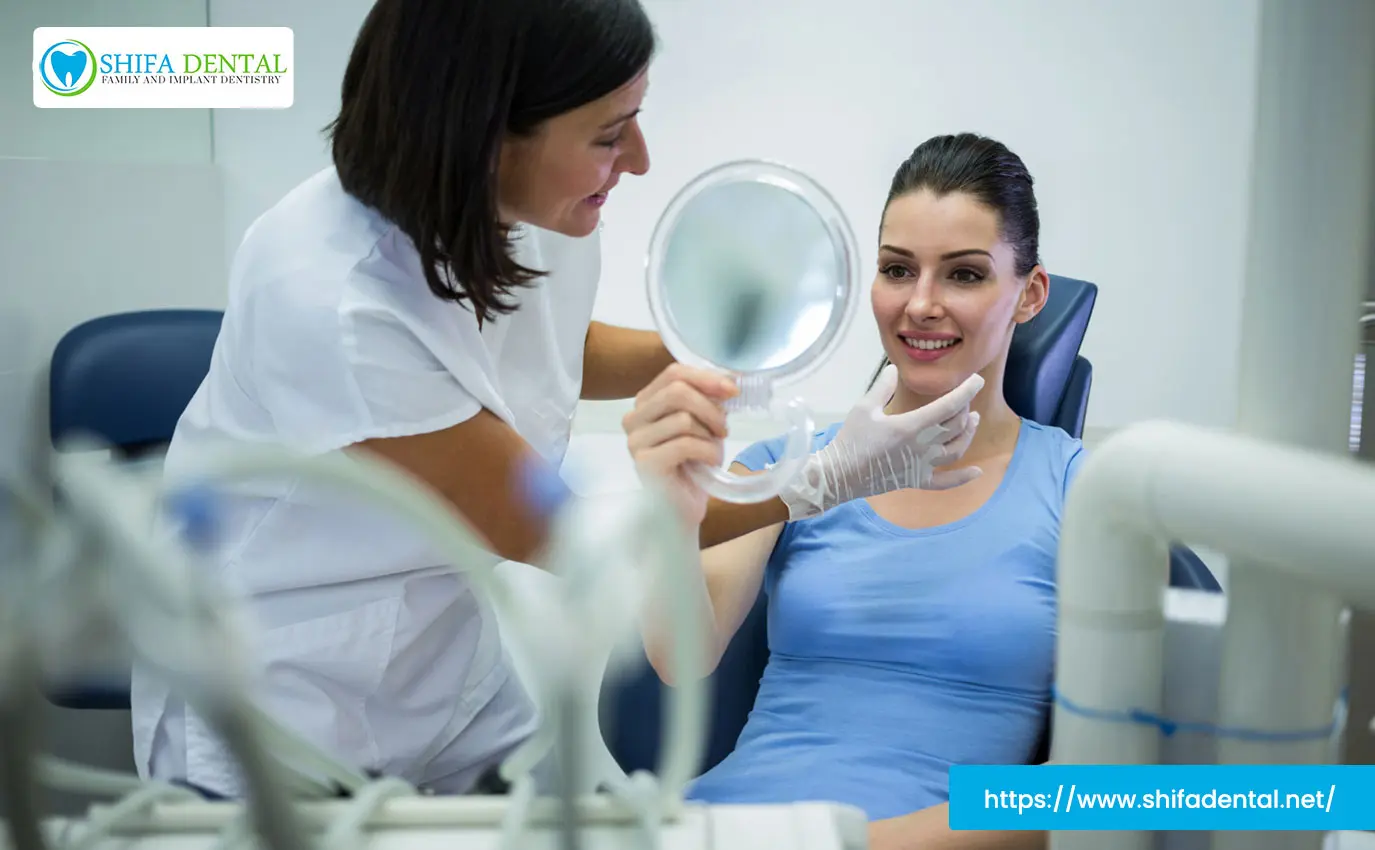
At your appointment, the dentist or orthodontist will check the bite of your teeth. They may also ask questions about symptoms like headaches, jaw pain, or problems biting food.
Other diagnostic records may include:
- Digital X-rays
- Photographs of your smile
- Bite analysis
- Digital scans or impressions
These tools are used to identify the nature and extent of the problem before deciding on the appropriate type of orthodontic treatment for crossbite.
If you’re searching for crossbite treatment near me, you may be relieved to know that the initial visit usually focuses on evaluation and treatment planning rather than beginning treatment immediately.
Reviewing Your Treatment Options
After the evaluation, your dentist will discuss the options you have. Depending on your case, recommendations could be:
Braces
Traditional metal braces are still one of the most effective options. Brackets and wires exert a consistent force and slowly move teeth into correct alignment. This is great for both simple and more complex bite problems.
Braces are a popular option for patients who need crossbite braces treatment because they provide accurate control during the entire treatment.
Clear Aligners
A lot of adults and teens wonder if Invisalign clear braces will work for them.
The answer is usually, yes.
With Invisalign for crossbite, custom-made aligners gradually shift the teeth into improved alignment over time. The aligners can be taken out which is easier for eating and oral hygiene than fixed appliances. Eligibility is determined based on the bite problem complexity, though.
Palatal Expansion
Younger children and teens might need an appliance that slowly expands the top jaw. Space can be created and upper and lower teeth can be better related in the process of expansion prior to starting any other treatment.
Other Corrective Approaches
If the bones are severely affected, further options may be discussed. Fortunately, these situations are less common and usually only apply to certain situations. The objective is the same – safe and stable correction of crossbite.
Beginning Active Treatment
Once a treatment plan has been agreed upon, active care begins. The first appointment will depend on the appliance utilized. Braces are a process of attaching brackets and wiring. The first trays are given to aligner patients and they are instructed on how to wear the trays daily.
Children who are having expansion will be taught about how the device works and how the adjustments are made. It is normal to experience some mild pressure during the first few days, but most people get used to it. This is the actual start of your crossbite treatment journey.
What Life Looks Like During Treatment
It takes time to get used to orthodontic appliances, but normal activities are typically restored within a few days.
Some of the basic tips are:
- Brushing carefully after meals
- Flossing consistently
- Avoiding foods that may damage appliances
- Wearing aligners for the recommended number of hours
- Attending scheduled appointments
Those using Invisalign for crossbite should remember that skipping trays or shortening wear time can delay results. Following instructions closely helps treatment progress efficiently.
How Long Does Crossbite Treatment Take?
One of the most common questions is how long crossbite treatment lasts.
The answer depends on several factors:
- Severity of the crossbite
- Age of the patient
- Type of appliance used
- Compliance with recommendations
- Overall oral health
Minor cases may improve within several months, while more involved situations can require one to two years. Even though timelines vary, staying committed to the process often leads to lasting crossbite correction.
Retention
Completing active treatment is exciting, but it isn’t the end of the process. Once teeth reach their intended positions, retainers help maintain those results. Without retention, teeth naturally tend to shift over time.
Your provider will explain:
- Which retainer type is appropriate
- How often it should be worn
- Cleaning instructions
- Long-term maintenance expectations
Retention protects the investment you’ve made in your smile and preserves the outcome achieved through crossbite treatment.
Why Choosing the Right Provider Matters
Not all providers offer the same level of experience and attention. When evaluating options for crossbite treatment near me, it’s worth considering factors that reflect expertise and patient-centered care.
Look for practices that offer:
- Thorough examinations
- Modern diagnostic technology
- Clear communication
- Transparent treatment discussions
- Ongoing support throughout the process
- Positive patient experiences
Finding a trusted crossbite specialist can make the entire experience feel more comfortable and predictable.
Why Shifa Dental Is a Trusted Choice
When it comes to orthodontic treatment for crossbite, patients want confidence in the team guiding their care.
Shifa Dental focuses on delivering treatment built around clinical experience, patient education, and individualized planning. Rather than rushing through appointments, the team takes time to explain recommendations and answer questions thoroughly.
Their approach reflects the qualities patients often seek when searching for crossbite treatment near me:
- Experienced dental professionals committed to continuing education
- Modern imaging and diagnostic tools
- Customized treatment planning
- A welcoming environment for children, teens, and adults
- Honest communication about expectations and timelines
- Ongoing support from consultation through retention
Whether someone requires crossbite braces treatment or wants to explore aligner options, Shifa Dental emphasizes evidence-based care designed to support lasting oral health.
Wrapping It Up!
Learning that you need a crossbite fixed can feel overwhelming at first. But once you understand the steps involved, the process becomes much easier to approach.
From the initial evaluation to retention, every phase of crossbite treatment serves a purpose. The right plan addresses your specific needs while helping protect your teeth, gums, and bite function for years to come.
If you’ve been searching for crossbite treatment near me, scheduling an evaluation is often the best place to start. Early attention can simplify care, improve comfort, and help you move forward with confidence.
FAQs
Children often benefit from earlier intervention because their jaws are still developing. However, adults can also achieve successful results through appropriate treatment options.
Yes. Mild to moderate cases may respond well to clear aligners. Your provider will determine whether aligners are suitable for your situation.
Most patients experience temporary pressure or soreness after adjustments, but severe pain is uncommon and usually short-lived.
Many patients return every four to eight weeks, although schedules vary depending on the appliance used and treatment goals.
Some dental insurance plans include orthodontic benefits. Coverage depends on your provider and policy details, so it’s best to verify your specific benefits before starting care.