


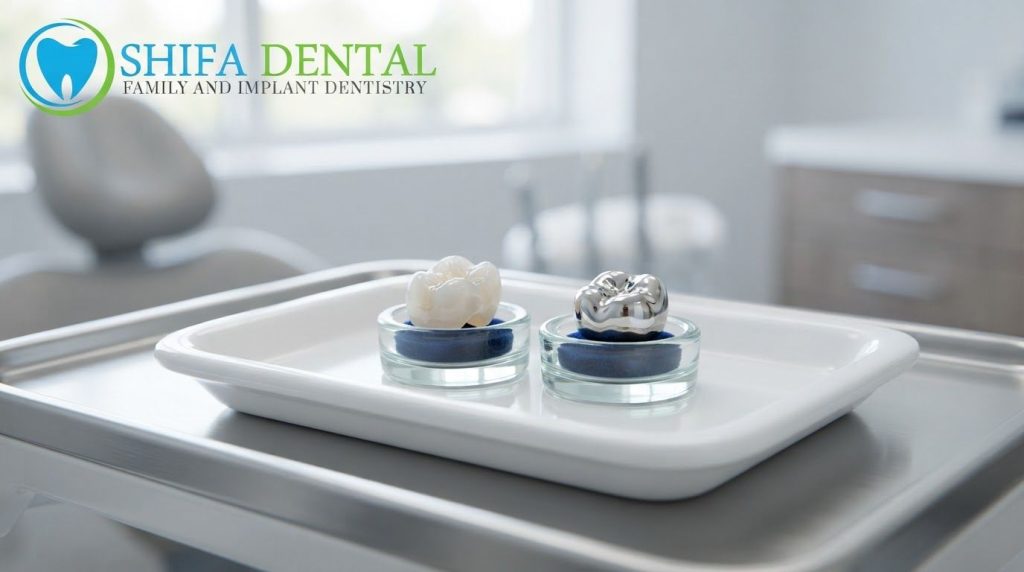
Dental Fillings in Garland are the most common way to restore teeth damaged by cavities or decay. Whether you choose composite (tooth-colored) or amalgam (silver) fillings, the procedure is quick, affordable, and often covered by insurance — making it one of the most accessible restorative treatments available to North Dallas families. If you’re experiencing tooth sensitivity, visible decay, or have been told you need a filling, this guide walks you through what to expect, how much it costs, and why choosing the right material matters for your long-term smile.
What Are Dental Fillings and Why Do You Need Them in Garland, TX?
A filling is a restorative material used to repair a tooth that has been damaged by decay (cavities), fracture, or wear. When bacteria in your mouth produce acid, they erode the hard outer layer of your tooth (the enamel), creating a cavity — a hole that will only grow larger if left untreated. Your dentist removes the decayed portion and fills the space with a biocompatible material to restore the tooth’s structure, function, and appearance.
In Garland, TX, and throughout North Dallas, cavities are among the most common dental problems affecting both children and adults. According to the American Dental Association, tooth decay affects approximately one in four adults and is preventable with proper hygiene and professional care. If you’ve noticed a dark spot on your tooth, experienced sudden tooth sensitivity, or your dentist has detected decay during an exam, seeking prompt treatment is essential.
Types of Filling Materials: Composite vs. Amalgam
When your Garland dentist recommends a filling, you’ll typically choose between two main material types, each with distinct advantages:
Composite (Tooth-Colored) Fillings
Composite fillings are made from a resin-based material that matches the natural color of your tooth. They’re bonded directly to the tooth structure, requiring less removal of healthy tooth material compared to amalgam. These fillings are popular because they:
- Look natural and blend seamlessly with surrounding teeth — ideal for visible front teeth.
- Bond strongly to the tooth, providing structural support.
- Can be completed in one appointment.
- Contain no mercury, which appeals to patients concerned about metal sensitivity.
The trade-off: Composite fillings typically last 5–7 years and cost slightly more than amalgam. They also require careful attention during placement to avoid moisture contamination.
Amalgam (Silver) Fillings
Amalgam is a metallic alloy made from a mixture of mercury, silver, tin, and copper. Despite decades of safety scrutiny, the American Dental Association confirms that amalgam fillings are safe and durable. They’re especially common in back molars because they:
- Offer superior longevity — lasting 10–15 years or longer when properly maintained.
- Are more cost-effective than composite or other alternatives.
- Are highly durable under heavy chewing forces.
- Have a long clinical track record spanning over 150 years.
The main disadvantage: Amalgam is silver-colored and more noticeable on front teeth. Some patients prefer to avoid them for aesthetic reasons, and a small percentage report sensitivity to mercury, though clinical evidence does not support widespread toxicity concerns.
The Dental Filling Procedure: What to Expect in Garland
If you’re scheduling a filling appointment in Garland, here’s what a typical procedure involves:
Step-by-Step Filling Procedure
- Examination and Diagnosis: Your Garland dentist will examine the tooth, take X-rays if needed, and confirm the extent of decay. This ensures the filling is the appropriate treatment (vs. a crown or root canal for deeper damage).
- Local Anesthesia: The dentist applies a topical numbing gel to the gum, then injects local anesthetic around the affected tooth. Most patients feel only mild pressure; the anesthetic takes effect within 3–5 minutes.
- Decay Removal: Using a dental drill or laser, the dentist carefully removes all decayed tissue. This step is painless due to the anesthesia, though you’ll hear the drill and feel vibration.
- Tooth Cleaning: The cavity is rinsed and dried thoroughly. For composite fillings, the tooth surface may be etched with a mild acid to improve bonding.
- Filling Placement: The filling material is placed into the cavity and shaped to match your tooth’s natural contours. Composite fillings are hardened using a blue curing light; amalgam fillings set on their own.
- Bite Check and Polish: Your dentist checks your bite to ensure the filling doesn’t interfere with chewing, then polishes the surface smooth.
The entire appointment typically takes 30–60 minutes, depending on the filling’s size and location. You can return to normal activities immediately after, though you’ll experience numbness for 1–3 hours.
Recovery and Aftercare
Recovery from a filling is straightforward:
- First 24 Hours: Avoid hot foods and beverages while numb to prevent accidental cheek or tongue bites. Soft foods (yogurt, applesauce, scrambled eggs) are gentler on freshly filled teeth.
- Sensitivity: Some patients experience mild sensitivity to temperature or pressure for a few days. This usually resolves on its own; over-the-counter pain relief can help if needed.
- Eating and Chewing: Amalgam fillings are fully set within 24 hours; composite fillings harden immediately. You can eat normally after the anesthesia wears off, but avoid very hard or sticky foods for the first week.
- Oral Hygiene: Continue brushing and flossing normally. Avoid aggressive brushing near the filling site for the first few days.
Filling Materials Comparison Table
| Material | Appearance | Longevity | Best For |
|---|---|---|---|
| Composite | Tooth-colored, natural | 5–7 years | Front teeth, visible areas |
| Amalgam | Silver-colored, metallic | 10–15+ years | Back molars, heavy chewing |
| Glass Ionomer | Tooth-colored, opaque | 3–5 years | Temporary or pediatric use |
Cost of Dental Fillings in Garland, TX and North Dallas
One of the most common questions patients ask is: “How much will my filling cost?” The answer depends on several factors, but filling treatment is among the most affordable restorative treatments available.
Typical Filling Cost Factors
Based on current market data and clinical practices across North Dallas:
- Amalgam Fillings: Most affordable option, reflecting the material’s durability and long history of use.
- Composite Fillings: Slightly higher cost than amalgam, reflecting the aesthetic benefits and material quality.
- Variables Affecting Cost: Tooth location (front vs. back), cavity size (small, medium, large), and whether your dentist needs to build up additional structure.
At Shifa Dental in Garland, we believe in transparent pricing — you’ll receive a clear cost estimate before treatment begins, with no hidden fees. We accept most insurance plans, including Texas Medicaid and CHIP for children, which often cover 60–80% of filling costs after your deductible.
Insurance Coverage and Financing Options
Texas Medicaid and CHIP dental plans cover fillings as part of basic restorative care for eligible children and adults. If you have private insurance, check your plan’s coverage — most plans classify fillings as basic restorative and cover them at a favorable rate.
If you’re uninsured, Shifa Dental offers several affordability solutions:
- Shifa Dental Saving Plan: A membership-based plan offering discounted rates on all services, including fillings, without insurance.
- 0% Interest Financing: Spread your treatment cost over time with no interest through our financing partners.
- CareCredit: A healthcare credit card accepted at our Garland location for flexible payment options.
How Long Do Fillings Last?
The lifespan of a filling depends primarily on the material and your oral care habits:
- Composite Fillings: Average 5–7 years. Some last longer with excellent home care and regular professional cleanings.
- Amalgam Fillings: Average 10–15 years or longer. Clinical studies show amalgam restorations with median survival times exceeding 16 years in favorable conditions.
- Factors Extending Longevity: Consistent brushing and flossing, avoiding hard foods, regular dental checkups every 6 months, and fluoride treatments.
Your dentist will monitor your fillings at each appointment and recommend replacement if they show signs of wear, leakage, or secondary decay around the edges.
When to See a Dentist: Signs You May Need a Filling
Not all tooth pain means you need a filling, but certain symptoms warrant professional evaluation. If you experience any of these in Garland, contact Shifa Dental promptly:
- Tooth Sensitivity: Sharp pain when eating or drinking hot, cold, or sweet items — often indicates decay or a failing filling.
- Visible Dark Spots or Holes: Brown, black, or gray discoloration on your tooth surface suggests active decay.
- Tooth Pain: Persistent aching, especially when chewing, may indicate a cavity that needs treatment.
- Broken or Chipped Tooth: A fractured tooth may need a filling or crown, depending on the extent of damage.
- Rough or Jagged Edges: A deteriorating filling can create uncomfortable rough spots.
Early detection is key. Many cavities don’t cause pain until they’re quite large, which is why routine dental exams every 6 months are so important. At Shifa Dental in Garland, we use advanced diagnostic tools to catch decay early when treatment is simplest and most affordable.
Prevention: Reducing Your Need for Fillings
While filling treatment is effective, prevention is always better than restoration. Here’s how to protect your teeth:
Daily Oral Hygiene
- Brush Twice Daily: Use a fluoride toothpaste and brush for at least 2 minutes, reaching all tooth surfaces.
- Floss Daily: Floss removes plaque and food debris between teeth where your toothbrush can’t reach — the most common cavity-prone areas.
- Rinse After Meals: If you can’t brush, at least rinse your mouth with water to remove sugars and acids.
Professional Preventive Care
- Regular Cleanings: Professional cleanings every 6 months remove tartar buildup that brushing can’t eliminate.
- Fluoride Treatments: Topical fluoride strengthens enamel and reduces cavity risk, especially for children and high-risk adults.
- Dental Sealants: According to the American Dental Association, sealants reduce cavity risk on molars by up to 80% — ideal for children and teens.
Dietary Choices
- Limit Sugary Foods and Drinks: Bacteria feed on sugar and produce acid that erodes teeth. Reduce candy, soda, and sugary snacks.
- Avoid Acidic Beverages: Sports drinks, citrus juices, and energy drinks weaken enamel. If you consume them, use a straw and rinse afterward.
- Eat Cavity-Fighting Foods: Cheese, nuts, and leafy greens promote saliva production, which neutralizes acids and protects teeth.
Frequently Asked Questions About Dental Fillings in Garland
Are Dental Fillings Painful?
No. Local anesthesia numbs the tooth and surrounding area before the procedure begins, so you should feel only pressure and vibration, not pain. Some patients report mild sensitivity or discomfort for a few days after the anesthesia wears off, which is normal and manageable with over-the-counter pain relief.
How Long Does a Filling Appointment Take in Garland?
Most filling appointments take 30–60 minutes, depending on the cavity’s size and location. Simple, small fillings may take as little as 20 minutes, while larger or more complex fillings may take longer. Your dentist will give you a time estimate during your consultation.
Can I Eat Immediately After My Filling in Garland?
You can eat once the local anesthesia wears off (usually 1–3 hours), but stick to soft foods for the first 24 hours to avoid damaging the fresh filling. Avoid very hot foods and beverages while numb to prevent accidental cheek or tongue bites. Amalgam fillings are fully set within 24 hours; composite fillings harden immediately.
Do Fillings Need to Be Replaced?
Yes, eventually. Composite fillings typically last 5–7 years; amalgam fillings last 10–15 years or longer. Your dentist will monitor them at each visit and recommend replacement if they show wear, decay, or damage. Secondary decay around old fillings is common and requires professional attention.
What’s the Difference Between a Filling and a Crown?
A filling restores a tooth damaged by decay and is used when the cavity is relatively small and the tooth structure is still mostly intact. A crown covers the entire tooth and is used when decay is extensive, the tooth is severely cracked, or a large filling would compromise the tooth’s strength. Your dentist will recommend the most appropriate treatment after examination.
Are There Alternatives to Fillings for Cavities?
For very early-stage decay, fluoride treatments may help remineralize the enamel and stop decay progression without a filling. However, once a cavity has formed, a filling or crown is the standard treatment. Prevention through good oral hygiene, fluoride, and sealants is your best defense against needing restorative care.
Why Choose Shifa Dental in Garland for Your Filling Treatment?
At Shifa Dental, we understand that dental anxiety and cost concerns often keep patients from seeking care. That’s why we’re committed to making filling treatment accessible, comfortable, and transparent:
- Same-Day and Walk-In Appointments: We offer emergency and same-day filling appointments to address your pain quickly.
- Multilingual Staff: Our team speaks English, Urdu, Punjabi, Telugu, Kannada, and Spanish to ensure clear communication.
- Transparent Pricing: You’ll know your cost before treatment — no hidden fees or surprise bills.
- Comprehensive Insurance Acceptance: We accept most insurance plans, including Texas Medicaid and CHIP, plus our Shifa Dental Saving Plan for uninsured patients.
- Flexible Financing: 0% interest payment plans and CareCredit make treatment affordable for every budget.
- Free Second Opinions: Unsure about a filling recommendation? We offer free second-opinion consultations on major procedures.
Conclusion: Take Action on Your Cavity Today
Cavities don’t heal on their own, and delaying treatment only makes the problem worse — and more expensive. A filling is a quick, affordable, and proven way to restore your tooth and prevent further decay. Whether you choose composite for aesthetics or amalgam for durability, the key is acting early.
If you’ve noticed a dark spot on your tooth, experienced sudden sensitivity, or your previous dentist recommended treatment, don’t wait. The longer decay sits, the deeper it penetrates, potentially requiring a root canal or extraction instead of a simple filling. Early intervention saves time, money, and your natural tooth.
At Shifa Dental in Garland, we make scheduling your appointment easy. We offer flexible hours — open Monday, Friday, and Saturday from 10 AM–5 PM, with Tuesday hours from 9 AM–1 PM — and accept walk-ins. Our experienced team will ensure your treatment is comfortable, affordable, and completed to the highest standard.