



Teeth grinding is more common than many people realize. It often happens during sleep, and most people only notice it after symptoms show up, like jaw pain, headaches, or worn-down teeth. A night guard is one of the most common ways dentists protect teeth from this pressure. Understanding how the treatment and procedure work helps you know what to expect before getting one.
What a Night Guard Treatment Actually Means
Night guard treatment is a dental process where a custom-made mouth guard is created to protect your teeth while you sleep. It is designed to reduce the impact of grinding and clenching. Unlike store-bought versions, a custom night guard is shaped according to your mouth so it feels more stable and fits better.
The treatment is not just about giving you a device. It includes checks, measurements, design work, and follow-ups to make sure it works properly for your bite.
Common Problems It Helps Prevent
A night guard is not just about preventing grinding noises. It can also prevent the effects of sustained pressure on teeth. Other things it helps with include:
- Wearing down and flattening of teeth
- Cracked enamel
- Morning jaw stiffness
- Clenching headaches
- Sensitivity in teeth
It does not completely prevent grinding, but it does help to cushion the impact on the teeth.
What’s Procedure for Getting a Night Guard?
First Step Dental Examination
The process usually starts with a dental examination. This will assist the dentist in establishing the actual cause of your symptoms, which is teeth grinding or otherwise. It also serves to avoid the additional harm, as grinding usually deteriorates gradually without much notice.
In this visit, the dentist will examine the visible signs such as worn enamel, small cracks, and tightness of the jaw. You can also receive a general description of the severity of the condition, whether mild, moderate, or severe. This simplifies the process of knowing what is going on and what kind of night guard might be required.
Taking Impressions or Digital Scans
After a night guard is suggested, the next thing that is done is to have the shape of your teeth captured. This will be accomplished in two ways.
Traditional Impressions
A tray is filled with a soft substance that is pressed in your mouth. It solidifies in a matter of minutes and leaves a shape of your teeth.
Digital Scans
There are clinics that have a small scanning machine that scans your teeth in 3D. This procedure is faster and more comfortable for most patients.
They are both employed in order to make a perfect model of your mouth. This model is forwarded to a dental laboratory where the night guard is produced.
Designing the Night Guard
In the dental lab, your mold or scan is used to design the guard by the technicians. The type of material used will depend on the severity of the grinding.
- Mild cases: soft guards
- Strong grinding: hard acrylic guards
- Two-purpose guards
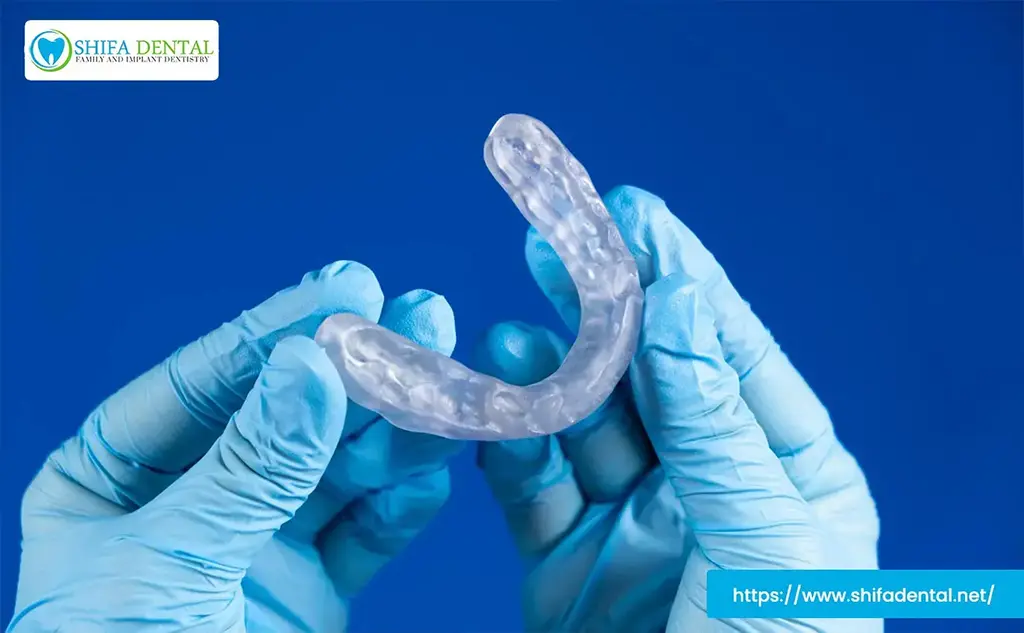
The shape is also properly modified to fit in your bite without any kind of discomfort. The aim is to permit natural movement of the jaw whilst ensuring that teeth are not put under pressure.
Fabrication Process in the Lab
The night guard is built layer by layer of dental grade materials. It is hammered, smoothed, and put to the test. All works are inspected to have smooth edges to ensure that they do not scratch the gums or cheeks.
It involves a few days or a couple of weeks, depending on the clinic and lab workflow.
Fitting Appointment
You’ll return for a fitting appointment once the night guard is ready. It is put in your mouth by the dentist, and he examines its placement on your teeth. This is about ensuring that your bite is even with no additional pressure on a single part.
To test the comfort, you will be requested to open and close your mouth a couple of times. When anything seems a little off, minor adjustments are made immediately. The adjustment at home takes a short time for most individuals, although when the discomfort persists, a follow-up visit will help to adjust the fit.
How to Care for a Night Guard

Rinse After Every Use
After taking it out in the morning, rinse the night guard with cool water. This removes saliva and soft buildup from the surface. Doing this daily keeps it fresh and reduces odor over time.
Gentle Cleaning Routine
Brush it gently using a soft toothbrush. You can use mild soap or a non-abrasive cleanser. Avoid strong toothpaste because it can create tiny scratches, which may hold bacteria and make cleaning harder later.
Proper Storage Matters
Always keep the night guard in a ventilated case. This allows airflow and helps it dry properly instead of staying damp. A closed, moist environment can lead to bad smells or bacterial buildup.
Avoid Heat and Hot Water
Never use hot water to clean or soak the night guard. Heat can change its shape, and even a small change can affect how it fits. Keep it away from sunlight, heaters, or warm surfaces as well.
Protect From Damage
Keep it away from pets, especially dogs, since they may chew on it if left within reach. Also, avoid wrapping it in tissue or napkins, as it can easily get lost or thrown away by mistake.
Regular Dental Checks
Bring the night guard during dental visits. The dentist can check for wear, cracks, or fit issues. This helps make sure it continues to protect your teeth properly over time.
Avoid Harsh Chemicals
Do not use bleach, alcohol-based cleaners, or strong mouthwash to clean the night guard. These can weaken the material over time and may also change its color or texture. Stick to mild soap and water for safe cleaning.
Why Shifa Dental is a Good Choice
Shifa Dental focuses on making night guard treatment simple and accurate. The clinic pays attention to proper fitting instead of rushing the process. Each step, from examination to final adjustment, is handled with care.
Patients are guided clearly through every stage so they understand what is being done and why it matters. The clinic also makes sure follow-up support is available if the guard needs small changes after use.
This careful approach helps patients get a night guard that fits better and feels more natural during sleep.
Book a Night Guard Consultation Today!
If you notice signs of grinding, like jaw soreness, worn teeth, or morning headaches, getting a proper check can help prevent further damage. A custom night guard is designed to protect your teeth while you sleep and reduce long-term stress on your jaw.
So instead of searching for an affordable dentist near me, visit Shifa Dental to get a properly fitted night guard made for your bite. Early treatment can help avoid bigger dental issues later and keep your teeth protected every night.
FAQs
It usually takes one to two weeks from the first visit to receiving the final night guard.
There may be slight pressure at first, but most people adjust within a few nights.
Talking is possible, but may feel slightly different. Night guards are mainly designed for sleep use.
With proper care, a custom night guard can last several years, depending on grinding strength.
Yes, a dentist usually checks your condition first to confirm if a night guard is suitable.