



During a typical dental appointment, you might ask why your dentist wants an X-ray when your teeth seem fine. After all, why take another picture if there is no pain and no cavity is visible?
The explanation is straightforward: peering inside your mouth won’t allow your dentist to see everything. Certain issues arise in the spaces between teeth, under fillings that are already in place, around dental roots, or under the jawbone. Dental X-rays can help your dentist make decisions based on information beyond what is visible during a visual examination.
The procedure is typically simple and quick for patients considering dental X-rays in Plano. Dental X-rays are used in an oral examination at Shifa Dental to help diagnose issues and plan the right course of treatment. Your age, dental history, symptoms, and the area your dentist needs to examine will all determine what kind of X-ray you require. Not every patient needs X-rays at every visit.
Key Takeaways
- Issues that are not apparent during an oral exam can be found with dental X-rays.
- They can help detect cavities, infections, bone abnormalities, and problems with tooth development.
- Different X-ray kinds are intended for various dental issues.
- With comparatively little radiation, digital imaging may produce detailed views.
- Before starting treatment, dentists can plan procedures with the aid of X-rays.
- At every dental appointment, an X-ray might not be necessary.
- Shifa Dental can determine which kind of imaging is best for your dental needs.
Why Does Your Dentist Need a Digital Dental X-Ray in Plano?
Your dentist can learn a lot from a visual examination, but it doesn’t reveal everything. Before it is visible in the mirror, an X-ray may show a cavity between two teeth. Additionally, it can display impacted teeth, the surrounding bone, a tooth’s roots, or alterations that aren’t yet causing symptoms.
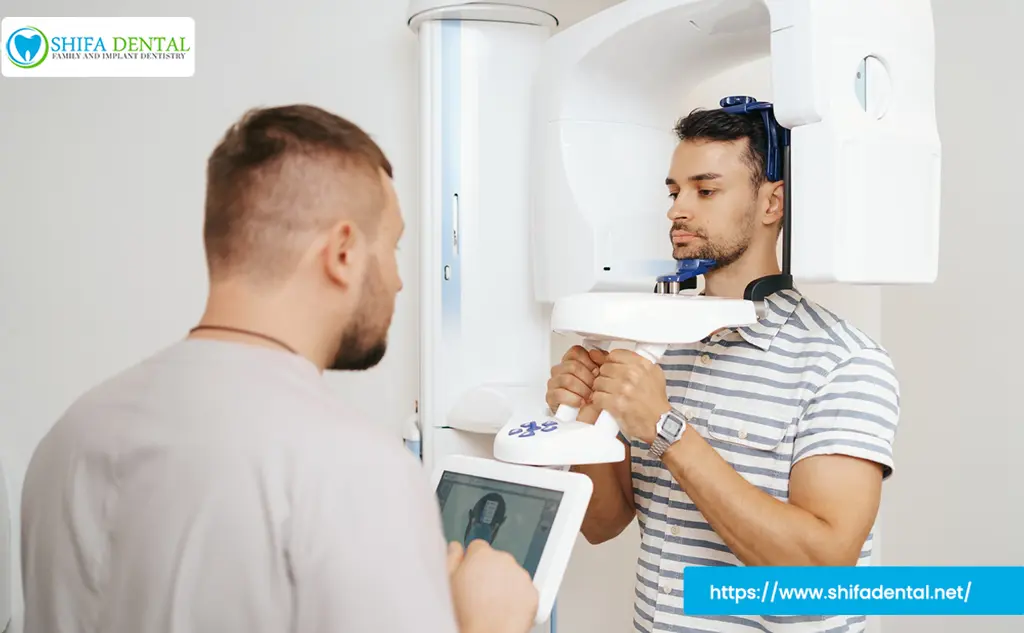
For this reason, even if your mouth feels absolutely normal, Dental X-rays in Plano, TX can be helpful. Your dentist may not be searching for a single issue. To connect what they observe during the examination with what’s going on underneath, the image can offer further details.
What Can Dental X-Rays Detect?
There are several uses for dental X-rays. Depending on the type of imaging, they can assist dentists in examining various aspects of your teeth and supporting structures.
1- Cavities Between Teeth
During an examination, certain cavities are visible. Others form in places where teeth are too close together to be seen clearly and where a toothbrush cannot reach. Tooth decay between teeth can be seen with an X-ray. Early detection of these areas could give your dentist more options for treating the issue before it gets worse.
2- Tooth Root Problems
There is more to a tooth than what is evident. The roots of every tooth extend into the jawbone. X-rays can reveal the location and form of tooth roots and may be useful in detecting changes in the area around the root. This information may be helpful in the diagnosis process if you have unexplained dental pain or sensitivity.
3- Bone and Gum-Related Changes
The jawbone supports your teeth. Changes in the bone around teeth can sometimes be difficult to detect through a visual examination alone. Dental imaging can give your dentist a better view of the supporting bone and help assess certain periodontal concerns.
4- Impacted or Developing Teeth
Wisdom teeth are a common reason for dental imaging. A tooth may be partially visible or completely hidden beneath the gum. An X-ray can show its position, angle, and relationship to nearby teeth. This information is helpful when deciding whether monitoring or removal may be appropriate.
Digital Dental X-Rays Plano TX: What Makes Them Different?
Digital imaging has replaced traditional film-based X-rays in many dental offices. Electronic sensors can be used to take digital dental X-rays in Plano, TX. This enables dental practitioners to quickly review the images and adjust the display as needed. Additionally, digital photos can be electronically stored, which facilitates access for future treatment planning or reviewing your dental history.
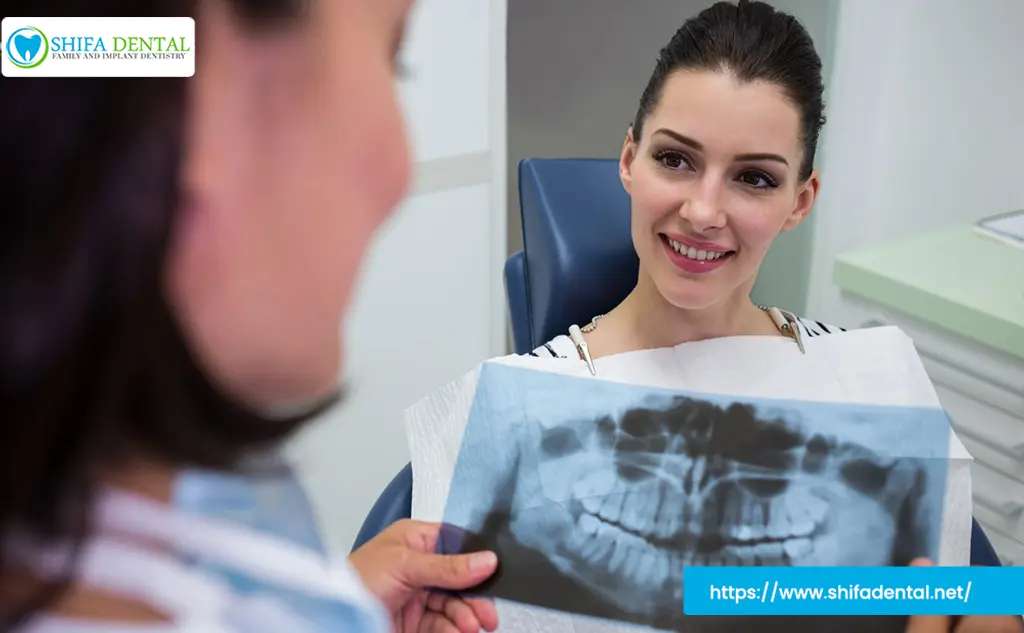
The fact that digital dental imaging typically utilizes little radiation is another benefit. Your dental staff continues to use caution and only suggests imaging when it is clinically necessary. Taking as many X-rays as possible is not the aim. The goal is to gather helpful information when an image can aid diagnosis or treatment.
How Shifa Dental Uses Dental Imaging
At Shifa Dental, dental X-rays are part of the diagnostic process rather than a replacement for a dental examination.
Your dentist can combine the information from your symptoms, medical and dental history, visual examination, and imaging to better understand your oral health.
That matters because an X-ray by itself doesn’t tell the whole story. The image needs to be interpreted alongside everything else your dentist learns during your visit.
If you’re unsure why an X-ray has been recommended, ask. A good dental team should be able to explain what they’re looking for and how the image may affect your treatment plan.
Simple Ways to Make Your Dental Visit Easier
You don’t need to make major lifestyle changes to prepare for routine dental imaging.
A few simple habits can help:
- Tell your dentist about recent dental X-rays.
- Mention pregnancy or possible pregnancy before imaging.
- Share any new pain, swelling, or sensitivity.
- Ask questions if you don’t understand why an X-ray is recommended.
- Follow your dental team’s instructions during imaging.
Keeping track of your dental history can also make future visits easier. If you’ve moved between dental offices, having information about previous treatment and imaging may help your new dentist understand your history.
Dental X-rays in Plano
Although it might not seem like much, a dental X-ray can provide your dentist with information that is just not visible during a standard checkup. The right image can help you better understand what’s going on in your mouth, including developing teeth, dental roots, and hidden cavities.
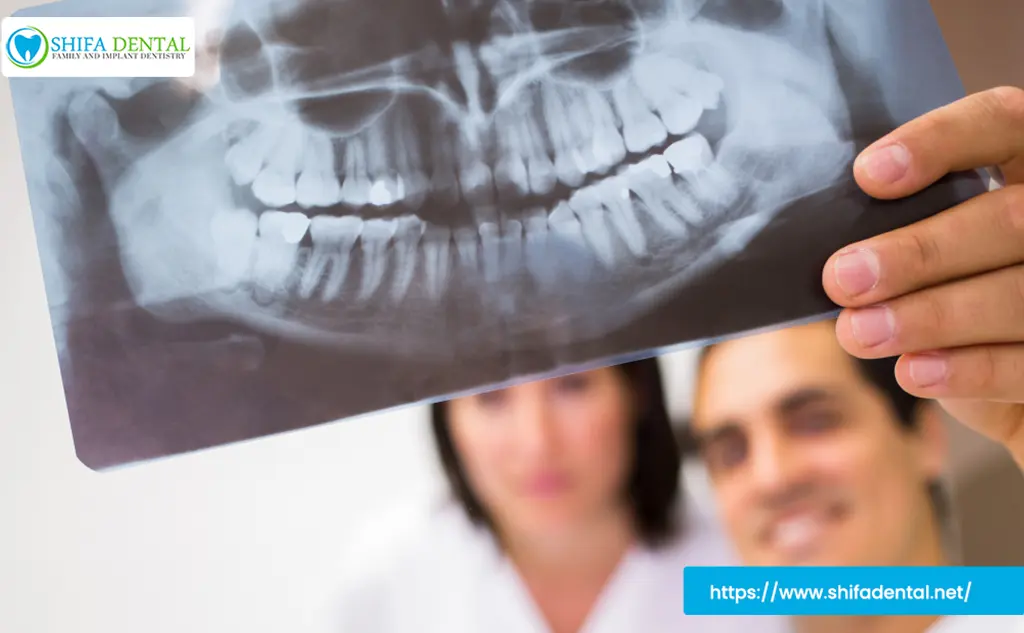
Shifa Dental can determine whether imaging is suitable for your dental needs if you’re looking for dental X-rays in Plano.
FAQ’s:
There isn’t one schedule for everyone. Your dentist considers your age, oral health, cavity history, symptoms, previous imaging, and treatment needs before recommending new X-rays.
No. Dental X-rays themselves aren’t painful. Some intraoral sensors may feel slightly awkward in your mouth, but the image is usually captured within seconds.
Digital imaging uses a relatively low amount of radiation. Dental professionals also use appropriate safety measures and recommend imaging when the expected diagnostic benefit makes it useful.
Yes. Some cavities develop between teeth or in areas that aren’t easy to inspect visually. Certain dental X-rays can help reveal this type of decay.
Shifa Dental can evaluate your dental imaging needs as part of your examination and treatment planning. Ask the dental team which imaging option is appropriate for your specific situation.