

A confident smile can enhance self-esteem and brighten a space. However, it might be difficult for people missing teeth to smile confidently. Dental implants, which provide a long-lasting and aesthetically pleasing way to replace lost teeth, have completely transformed the discipline of dentistry. But not every dental implant is made the same way, as different techniques are used at Shifa Dental.
We will examine the many kinds of dental implants in Plano TX, illuminating your possibilities for smile restoration.
The Fundamentals of Dental Implants
Let’s understand the basics before delving into the many kinds of dental implants in Garland TX. Dental implants are artificial tooth roots composed of titanium or other biocompatible materials. To support prosthetic teeth like crowns, bridges, or dentures, they are surgically inserted into the jawbone. This procedure provides stability, durability, and esthetics that nearly mimic natural teeth.
1- Conventional Dental Implants
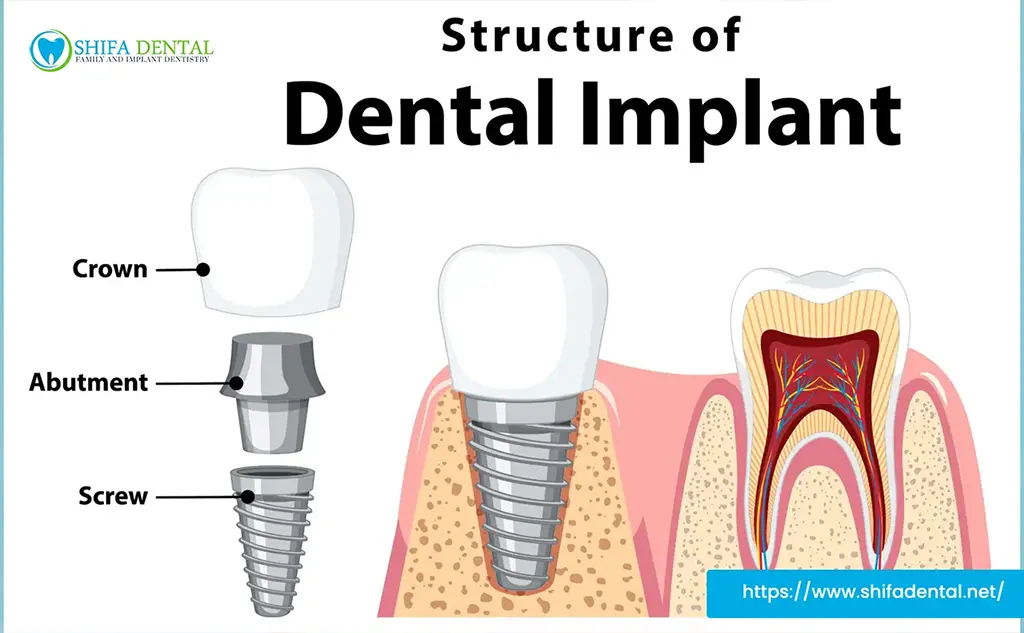
The most prevalent kind are traditional dental implants in Plano TX, sometimes referred to as endosteal implants. They are made up of three primary parts:
- Implant: Surgically inserted into the jawbone, the implant resembles a screw. It functions as the new tooth’s root.
- Abutment: This connecting piece extends over the gum line and fastens to the implant. It serves as a base for the bridge or crown.
- Crown or Bridge: Attaching a specially constructed crown or bridge to the abutment is the last stage. The appearance and functionality of this prosthetic tooth or teeth are similar to that of natural teeth.
For people with adequate jawbone volume and density, traditional dental implants in Plano TX are the best option. They are a popular option for replacing a single tooth or several lost teeth because of their durability and stability.
2- Small Dental Implants
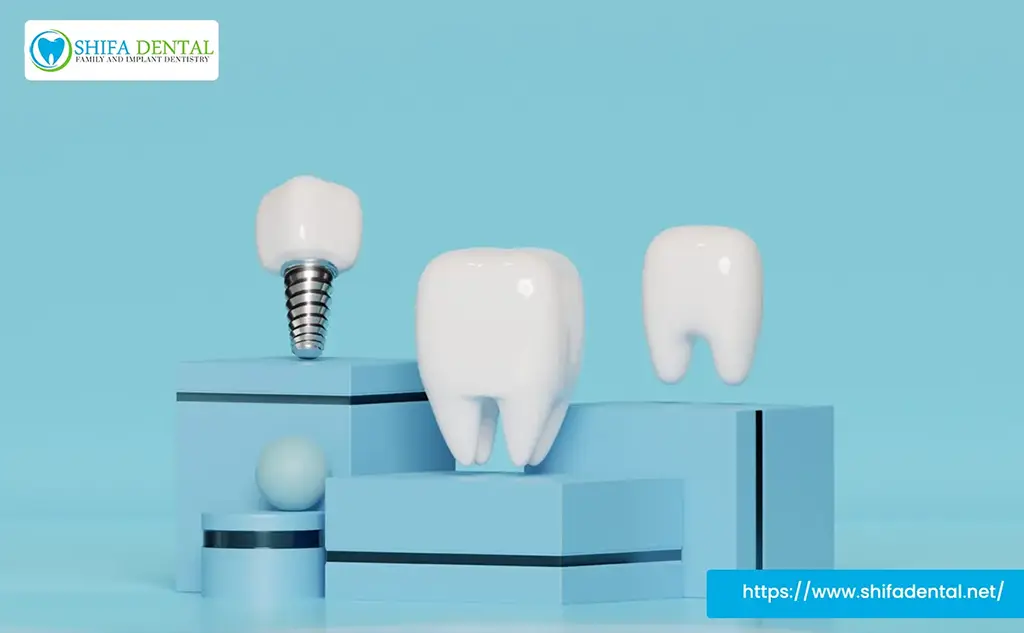
As the name implies, mini dental implants (MDIs) are scaled-down versions of conventional implants. For people with insufficient bone volume, they are a good choice. MDIs don’t require a separate abutment because they are made of a single piece. Shorter healing times are frequently the outcome of the streamlined process.
MDIs are especially well-liked for lower denture fastening. They improve comfort and confidence by offering stability and preventing denture slippage. They might not be acceptable in every situation, though, and choosing the best implant type requires speaking with a dentist.
2- Dental Implants All-on-4
For people looking for a complete arch restoration, such as replacing every tooth in their upper or lower jaw, the All-on-4 dental implant concept offers a revolutionary alternative. Four dental implants in Plano TX are positioned strategically to support a whole tooth arch in this novel method. All-on-4 implants have the following benefits:
- Fewer Implants: Compared with conventional techniques, All-on-4 requires fewer implants, reducing surgical complexity.
- Stability: The stability of the entire arch is ensured by distributing the force across four implants.
- Immediate Function: Patients can often achieve immediate function with a temporary set of teeth placed on the same day as implant placement.
For people who have lost a lot of teeth or who want to replace removable dentures with a permanent solution, all-on-4 dental implants in Garland TX are a great choice.
3- Zygomatic Implants
When there is insufficient upper jawbone to support conventional implants, zygomatic implants are used. Zygomatic implants are anchored in the cheekbone, or zygomatic bone, rather than the maxilla (upper jaw). Patients with significant bone loss may find this novel technique appealing because it avoids the need for bone grafting.
To provide a secure base for a set of prosthetic teeth, zygomatic implants are commonly used for full-arch restorations in the upper jaw. This technique offers an alternative to intricate bone grafting procedures by reducing treatment time and ensuring faster results.
4- Implants Subperiosteal
Although they are less prevalent, subperiosteal implants offer an option for patients whose bone density or volume prevents them from undergoing standard implant surgery. Subperiosteal implants are positioned above the bone but below the gum line, as opposed to inside the jawbone.
A metal framework with posts extending through the gum line forms the subperiosteal implant. These posts are then fitted with a custom-made prosthesis, either a bridge or denture. For people with little bone support, subperiosteal implants are typically utilized to hold dentures or replace several missing teeth.
Selecting the Appropriate Dental Implant Type
A number of factors influence the choice of dental implant type, including:
- Bone Health: Choosing the right implant type depends heavily on the quantity and quality of accessible jawbone.
- Number of Missing Teeth: The degree of tooth loss and the number of missing teeth.
- Upper or Lower Jaw: While certain implant types are designed for the lower jaw, others are better suited to the upper jaw.
- Patient Preferences: The degree of comfort that patients have during surgical operations.
It’s critical to speak with a qualified dentist who can evaluate your unique needs, perform the necessary imaging and diagnostics, and recommend the best type of dental implant for your situation.
The Advantages of Dental Implants
Dental implants provide a number of important advantages, regardless of the type selected:
- Better Esthetics: Dental implants have a lifelike appearance since they closely resemble natural teeth.
- Improved Function: By enabling regular speech, biting, and chewing, implants enhance overall oral function.
- Longevity: Dental implants are a long-lasting and affordable option that can last a lifetime with the right maintenance.
- Bone Preservation: By stimulating the jawbone, implants help prevent bone loss and preserve facial structure.
- Confidence: A natural smile and self-confidence are restored with dental implants.
Conclusion
Dental implants in Garland TX, have revolutionized the profession of dentistry. The secret to success is careful consultation and individualized treatment planning, regardless of the type of implants you choose—traditional, micro, All-on-4, zygomatic, or subperiosteal. Talking with a Shifa Dental dentist who can help you choose the best type of dental implant for your specific needs is the first step on your path to a restored, self-assured smile..
Frequently Asked Questions:
There isn’t one implant type that works for everyone. Your dentist will consider your jawbone density, location of missing teeth, oral health, and treatment goals before recommending an option.
The main types include traditional endosteal implants, mini dental implants, All-on-4 implants, zygomatic implants, and subperiosteal implants.
Yes, some patients with bone loss may still qualify for dental implants. Depending on the amount and location of bone loss, options may include bone grafting, mini implants, or zygomatic implants.
With proper oral hygiene, regular dental visits, and good overall care, dental implants can last many years. The lifespan can vary based on oral health, lifestyle habits, and how well the implants are maintained.
Dental implants offer greater stability because they are anchored to the jawbone, while traditional dentures are removable. However, the best choice depends on your oral health, bone structure, budget, and personal preferences.