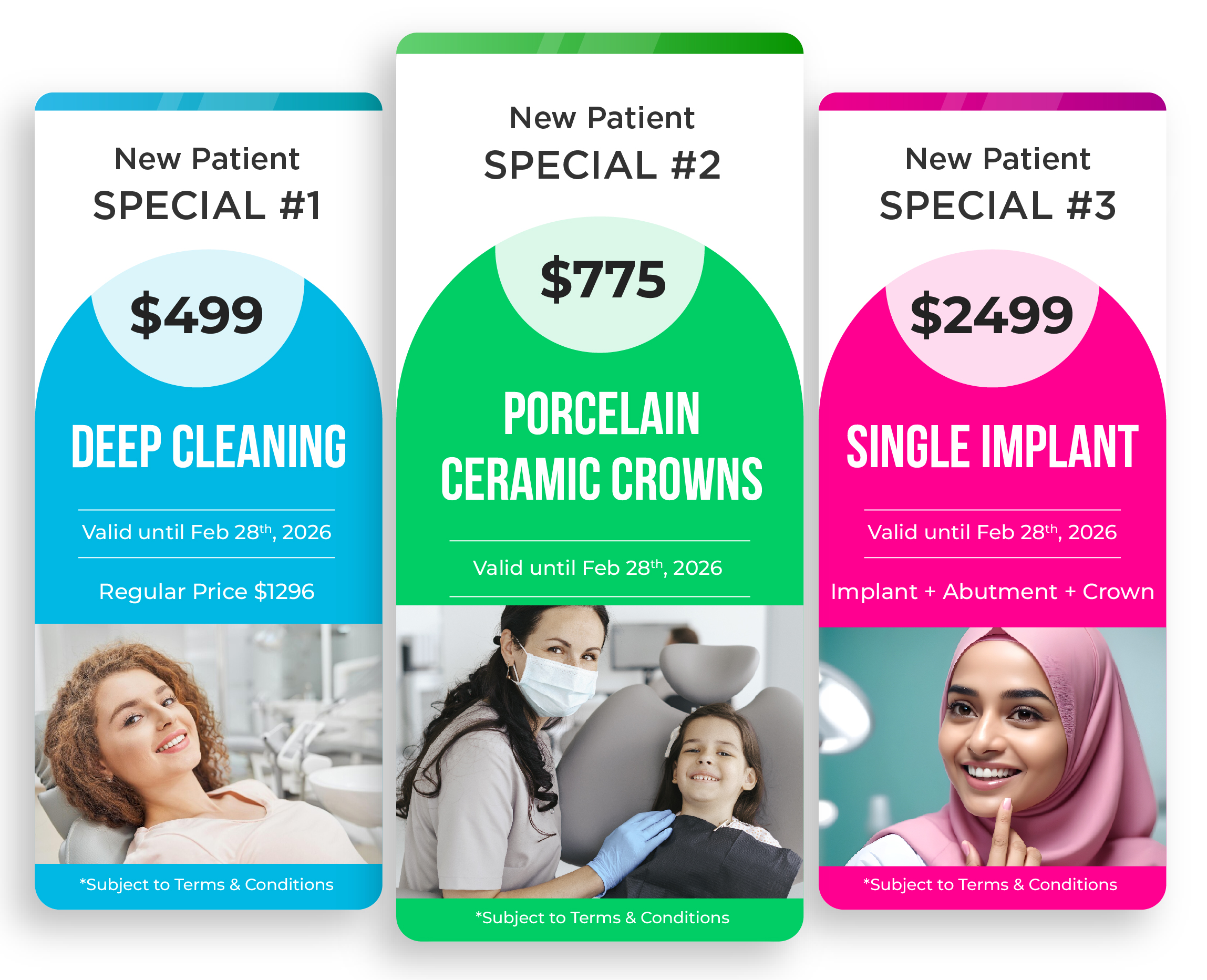


Cosmetic Dentistry in Plano TX can address tooth discoloration, chips, uneven edges, gaps, and other concerns through options such as professional whitening, bonding, veneers, and orthodontic treatment. The right choice depends on your oral health, bite, goals, and how much natural tooth structure a treatment may affect. At Shifa Dental, patients from Plano, Allen, Frisco, McKinney, and Richardson can discuss their options with a dentist before deciding; our practice also serves Garland, TX.
A smile concern can feel personal, especially when you are unsure whether a small change or a broader plan is appropriate. Cosmetic care is not one procedure, and a good consultation starts by listening to what you want to change, then checking for issues that should be treated first. Below is a practical guide to common options, planning, maintenance, and what to ask at a visit.
What can cosmetic dentistry in Plano, TX address?
Cosmetic dentistry focuses on the appearance of teeth and smiles, but appearance and oral health are closely connected. Stains may be related to food and drinks, tobacco, aging, medication, or changes inside a tooth. A chipped edge may be only a surface concern, or it may signal a larger fracture. Tooth position can affect how your smile looks and how your teeth meet when you chew.
At a consultation, your dentist can review your goals and examine the teeth, gums, existing restorations, and bite. Depending on the concern, the conversation may include professional whitening, tooth-colored composite bonding, porcelain veneers, crowns, orthodontics such as Invisalign or braces, or a combination. The most extensive option is not automatically the best one. A conservative approach can preserve healthy tooth structure while still addressing what bothers you.
Why should oral health come before a cosmetic change?
Active tooth decay, gum inflammation, untreated infection, or an unstable bite can undermine a cosmetic result. Your dentist may recommend addressing those concerns before elective appearance-focused treatment. This is not a reason to feel judged or to delay asking questions; it is a way to make sure the plan is based on a healthy foundation and to reduce the chance that a new restoration will need avoidable repair.
Which cosmetic dental treatments might fit your goals?
Could professional teeth whitening help with stains?
Whitening uses peroxide-based products to lighten discoloration in natural teeth. A dentist can assess whether your stains are likely to respond and discuss supervised in-office or take-home approaches. The American Dental Association notes that products carrying its Seal of Acceptance have been evaluated for safety and effectiveness when used as directed. That does not mean whitening is right for every person or that all products work the same way.
Whitening does not change the shade of fillings, crowns, veneers, or other restorations. If visible dental work is present, the dentist can explain how to avoid an uneven color match. Tooth sensitivity or gum irritation can occur, so tell the dental team about prior sensitivity, exposed roots, or recent dental work before choosing a product. The cause of a single dark tooth may need evaluation rather than a whitening approach.
When is dental bonding a conservative option?
Composite bonding uses tooth-colored resin that is shaped and hardened on the tooth. It may be considered for a small chip, a minor gap, or an irregular edge. The dentist selects a shade, prepares the surface as needed, places the resin, and shapes and polishes it to blend with nearby teeth. Because bonding is often less invasive than a veneer, it can be a useful option when the change needed is limited.
Bonding can stain, wear, or chip over time, especially when teeth are used to bite hard objects or when clenching places repeated force on them. It may need maintenance or replacement. Your dentist can discuss whether the location and size of the repair make bonding suitable and how your bite could affect its durability.
What should you know before choosing porcelain veneers?
Veneers are thin coverings bonded to the front surfaces of selected teeth. They can change visible shape, color, or proportions, but planning involves more than picking a shade. Some veneer designs require removing a small amount of enamel, and that change may be irreversible. The dentist should explain the preparation, alternatives, expected appearance, and what happens if a veneer chips or needs replacement.
Veneers do not correct every bite or alignment problem, and they are not a substitute for treating decay or gum disease. Habits such as nail biting or clenching may place extra stress on them. Ask whether a protective night guard is appropriate if you grind your teeth. A realistic discussion of limitations helps you decide whether veneers fit your priorities and long-term maintenance preferences.
When might a crown or orthodontic treatment be discussed?
A crown covers and protects a tooth and may be recommended when a tooth is structurally weakened, heavily restored, or damaged. A crown can improve appearance, but unlike a veneer it covers more of the tooth. If a crown is suggested primarily to improve appearance, ask why a less invasive option would or would not work. The recommendation should reflect the tooth’s condition, not appearance alone.
Orthodontic treatment moves teeth over time to improve alignment and the way the upper and lower teeth fit together. Clear aligners and braces may both be options, but suitability depends on the type and complexity of movement needed. Shifa Dental offers Invisalign, metal braces, and retainers; a clinical assessment is needed to determine which approach, if any, is appropriate. After active treatment, retainers help maintain tooth position as directed by your provider.
How do common cosmetic options compare?
The table below is a starting point, not a treatment recommendation. The best choice depends on examination findings, your priorities, and the condition of your teeth and gums. For cosmetic dentistry in Plano, TX, ask the dentist to explain what each option would change, what it would leave unchanged, and how much maintenance it could involve.
| Option | Often considered for | Key planning point | Maintenance conversation |
|---|---|---|---|
| Professional whitening | General discoloration of natural teeth | Restorations do not whiten; identify the cause of discoloration | Discuss sensitivity and habits that contribute to staining |
| Composite bonding | Small chips, minor gaps, or edge changes | May preserve more natural tooth structure for limited corrections | Resin can stain, chip, or require repair |
| Porcelain veneers | Selected visible changes in shape or color | Ask about enamel preparation, reversibility, and alternatives | Protect from excess force; repairs or replacement may be needed |
| Crowns | Teeth needing broader structural coverage | Clarify the tooth-health reason and how much coverage is required | Maintain gum health and attend recommended checks |
| Orthodontic treatment | Tooth alignment and bite concerns | Suitability depends on the movements and bite relationship | Retainer use is part of maintaining alignment |
What happens at a cosmetic dentistry consultation in Plano, TX?
Expect a conversation before a commitment. You can bring photos that show the kind of change you like, but use them as a way to describe preferences rather than as a promise of an identical outcome. A dentist will review your dental history, listen to your concerns, and examine your teeth and gums. Imaging or photographs may be recommended when they help evaluate a specific concern or plan treatment.
Useful questions include:
- What is the least invasive option that could address my main concern?
- Do I need any treatment for my teeth, gums, or bite before cosmetic work?
- Will this change be reversible, and what natural tooth structure may need to be altered?
- How should I expect the result to look, and what are the limitations?
- What care or repairs might be needed later?
- Can you provide a written plan and an itemized estimate before treatment begins?
Some patients want a single focused change; others are considering several procedures. If the plan includes multiple steps, ask which ones are essential for health, which are elective, and whether they can be staged. You should have time to understand the alternatives and decide without pressure. A second opinion can be helpful when a proposed plan involves substantial changes to healthy teeth or a major investment.
How should you think about coverage and affordability?
Cosmetic services are not automatically covered by dental insurance. A plan may treat a service differently when it is needed to restore a damaged tooth or address function rather than appearance alone, but benefits vary by policy and clinical circumstances. Before treatment, ask the office to check your benefits and explain any estimate; an insurer’s pre-treatment estimate is not necessarily a guarantee of payment.
At Shifa Dental, the Plano team explains costs before treatment and does not add hidden fees. Patients can ask about 0% interest financing, CareCredit, and the Shifa Dental Saving Plan for people without insurance. The details and eligibility can depend on the option and the services planned, so confirm terms directly with the office. This is also a good time to ask whether treatment can be staged and which steps are optional.
How can you protect your results after treatment?
Cosmetic work lasts best when the surrounding teeth and gums stay healthy. Brush with fluoride toothpaste, clean between your teeth every day, and keep regular dental checkups. Follow the specific home-care guidance given for your restoration or aligner. Avoid using your teeth as tools, and ask your dentist before changing how you wear a retainer or night guard.
After whitening, your clinician may recommend steps to manage sensitivity and maintain the shade. Bonding and veneers benefit from routine checks so a dentist can identify wear or a small chip before it becomes a larger concern. If a restoration feels loose, sharp, painful, or changes how your teeth meet, contact a dental professional for an assessment rather than attempting to adjust it yourself.
When should you contact a dentist before cosmetic treatment?
Arrange an evaluation if you have persistent tooth pain, bleeding or swollen gums, a broken tooth, new sensitivity, a darkening tooth, or difficulty chewing. These symptoms do not establish a diagnosis on their own, but they may point to a concern that should be assessed before appearance-focused care. Sudden swelling, significant facial trauma, or severe pain warrants prompt professional attention; Shifa Dental offers same-day emergency appointments when available.
For readers in Plano and nearby North Dallas communities, the Plano office is at 5509 Pleasant Valley Dr #90A, Plano, TX 75023. Call (469) 507-3786 to ask about an evaluation or Saturday availability. Walk-ins are welcome, though calling ahead can help the team guide you. Patients may also request a free second opinion for major procedures, including veneers or other significant restorative recommendations.
Frequently asked questions about cosmetic dentistry
How do I choose cosmetic dentistry in Plano, TX?
Start with a dental exam and a clear description of what you would like to change. Ask about conservative alternatives, oral-health needs, limitations, maintenance, and a written estimate. Your dentist can help match options to your goals and clinical findings.
Can teeth whitening change the color of crowns or veneers?
No. Whitening products act on natural tooth structure and do not lighten the material used for crowns, veneers, or fillings. A dentist can help plan shade matching if visible restorations are part of your smile.
Are veneers permanent?
Some veneer treatment requires removing enamel, so it may not be reversible. Veneers can also need repair or replacement over time. Ask your dentist what preparation is planned and what alternatives are suitable for your teeth.
Does dental insurance cover cosmetic treatment?
Coverage depends on your policy and the reason for treatment. Services performed primarily to change appearance may not be covered, while some restorative care may be considered under different benefits. Confirm details with both the dental office and your insurer before treatment.
Can cosmetic dentistry improve a crooked bite?
Some appearance concerns are related to tooth position or the way the teeth meet. Orthodontic treatment may be considered, but your dentist or orthodontic provider needs to assess the bite and recommend an appropriate approach. Veneers or bonding do not correct every alignment or functional concern.
Plan your next step with a Plano dentist
Choosing Cosmetic Dentistry in Plano TX starts with a precise goal and a careful assessment, not with selecting the most dramatic procedure. Whitening, bonding, veneers, crowns, and orthodontics solve different problems, and the more conservative option may be the better fit when it can meet your needs. A written plan, clear discussion of maintenance, and transparent estimate make it easier to decide at your own pace.