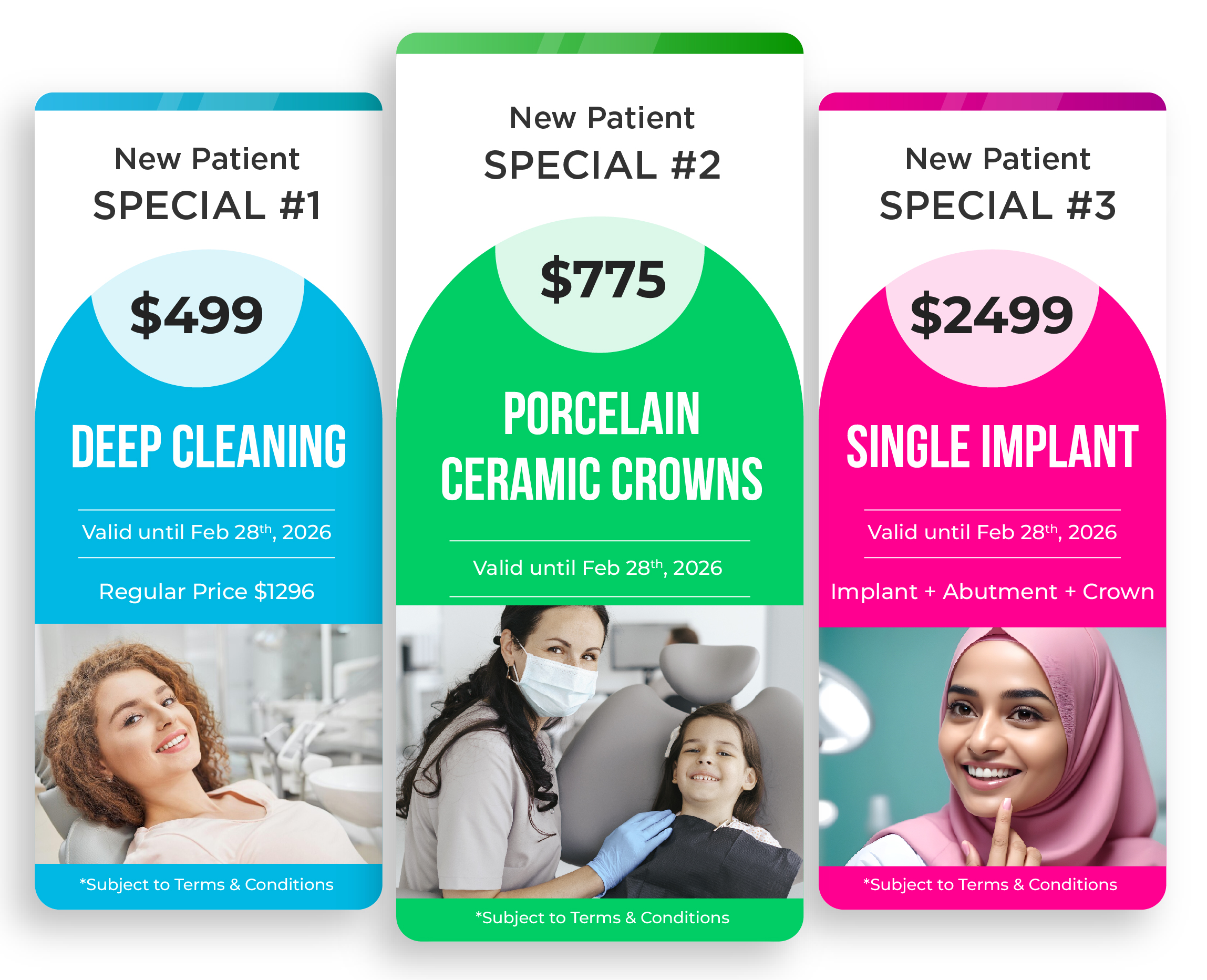



An Affordable Dentist in Plano should make recommended care financially understandable through a careful exam, a written treatment plan, clear insurance estimates, and payment options—not simply advertise the lowest fee. At Shifa Dental’s Plano office, patients can ask about accepted insurance, children’s Medicaid and CHIP, the Shifa Dental Saving Plan for uninsured patients, and financing before deciding how to proceed. If you are comparing offices in Plano, Allen, Frisco, McKinney, or nearby North Dallas communities, the useful question is not only “What does it cost?” but also “What is included, what can wait, and what payment choices fit my situation?” This guide explains how to evaluate affordability while keeping clinical quality, communication, and your comfort in view.
How Do You Choose an Affordable Dentist in Plano Without Sacrificing Quality?
Affordability is about the total value and clarity of care, not a bargain headline in isolation. A trustworthy practice explains what the examination found, why a service is being recommended, whether there are reasonable alternatives, and how the estimate was calculated. You should be able to pause, ask questions, and understand the next step before treatment begins.
Begin by checking whether the office provides the services your household may need over time. General and preventive dentistry can support routine care, while restorative dentistry may address issues such as a damaged tooth. A family practice with emergency appointments, pediatric care, root canal therapy, orthodontics, and other services can make it easier to discuss related needs in one setting. That does not mean every service is right for every patient; an examination is needed to determine what is appropriate.
A dependable affordable dentist in Plano will also make communication part of the care experience. Ask who will explain the proposed treatment, whether you receive a written estimate, how the office handles insurance questions, and what happens if the insurer’s payment differs from the estimate. Clear answers help you compare practices on more than a single number.
- Clinical explanation: You understand the finding and the reason for each recommendation.
- Choice: When clinically appropriate, the dentist discusses alternatives and the trade-offs between them.
- Transparency: You receive an estimate before treatment and can ask about possible additional services.
- Access: The office explains scheduling, urgent-care options, insurance participation, and financing.
- Respect: Staff listen to concerns about discomfort, time, language, or cost without pressure.
What Should You Ask About an Exam and Treatment Plan?
The first appointment is an opportunity to learn what is happening in your mouth and what choices you have. Depending on your history and symptoms, the dentist may review your health information, examine your teeth and gums, and recommend diagnostic images when clinically appropriate. Not every patient needs the same images or the same treatment schedule. Your dentist uses the findings, your symptoms, and risk factors to make a recommendation; online information cannot diagnose a specific tooth or replace an in-person assessment.
Ask the team to distinguish between urgent needs, recommended preventive or restorative care, and findings that may be monitored. This is especially useful if you have several concerns or have postponed visits. A written plan can help you understand which steps are connected, whether treatment can be staged, and what should not be delayed. If you are unsure, request clarification before agreeing to a procedure.
For example, a small area of decay may be addressed differently from a tooth with extensive damage or infection. A dentist may discuss a filling, a crown, or another option depending on the tooth’s condition. Those treatments are not interchangeable in every case, and the least expensive option at the start is not always clinically suitable. The goal is a recommendation that fits the diagnosis and gives you a clear picture of the benefits, limitations, and follow-up involved.
Bring a list of medications and health conditions, your insurance information, and any prior dental records or images you can access. Tell the dental team if you feel anxious, have had a difficult past experience, or need explanations in a preferred language. Shifa Dental’s team speaks English, Urdu, Punjabi, Telugu, Kannada, and Spanish, which can help patients communicate questions more comfortably.
How Can You Compare Dental Payment Options in Plano?
Before choosing a payment route, ask what it covers, how eligibility is determined, and whether there are conditions you should review. Insurance benefits vary by plan, and a treatment estimate based on a plan’s information is not a promise of payment. The American Dental Association explains that dental plans may apply plan-specific benefit rules to covered services, so it is sensible to confirm details with both the office and the insurer.
| Option | What it may help with | What to confirm before relying on it |
|---|---|---|
| Dental insurance | Eligible services under your individual plan | Network status, covered services, limitations, remaining benefits, and estimated patient portion |
| Children’s Medicaid or CHIP | Covered dental care for eligible children | Current eligibility, participating providers, covered service rules, and any required plan steps |
| Practice saving plan | An in-office option for patients without dental insurance | Enrollment terms, included services, exclusions, and how the plan applies to your needs |
| Third-party financing | A way to divide eligible treatment payments over time | Approval, payment schedule, promotional terms, and any conditions that apply |
| Phased treatment | Organizing clinically appropriate care in stages | Which treatment can safely wait and which should be addressed promptly |
When comparing plans, do not assume a service is covered just because it is commonly included in dental benefits. Coverage can depend on your specific contract, clinical documentation, waiting periods, frequency limits, or other plan rules. The ADA’s patient guidance on dental insurance is a useful reminder to ask how plan rules affect the treatment being proposed. For children, Medicaid.gov describes dental benefits as part of the comprehensive benefits for enrolled children, while eligibility and program details still need to be checked for your family.
What Makes Preventive Care a Practical Part of Affordability?
Regular dental visits are not a guarantee that you will avoid every future problem, but they give a dentist a chance to identify changes and discuss prevention before symptoms become disruptive. The Centers for Disease Control and Prevention notes that access to dental care and preventive services is part of oral health. How often you need a checkup or cleaning depends on your oral health, history, and the clinician’s recommendation.
At home, consistent brushing with fluoride toothpaste, cleaning between teeth, and limiting frequent sugary snacks and drinks are common measures that support oral health. The dental team can tailor advice to your age, gum health, appliances, dry mouth, or other circumstances. If you have bleeding gums, tooth sensitivity, persistent bad breath, a chipped tooth, or pain, mention it rather than waiting for a routine visit. These symptoms can have different causes, and an exam is needed to determine what is going on.
Prevention is also about making care workable. If transportation, work, childcare, or dental anxiety has led you to postpone visits, tell the office. A realistic appointment plan and a clear explanation can help you take the next step without feeling you must solve every dental concern at once.
How Does Shifa Dental Support Patients Looking for Affordable Care in Plano?
Shifa Dental Plano office provides family, general, cosmetic, restorative, and emergency dental services. The practice accepts most insurance plans, including children’s Medicaid and CHIP, and offers financial guidance to help patients understand available routes. For people without insurance, the Shifa Dental Saving Plan is an option to ask about. The office also offers 0% interest financing and CareCredit; patients should review the applicable approval and plan terms before enrolling.
The practice’s stated approach is to explain costs before treatment rather than surprise patients with hidden fees. Ask for an itemized written estimate and have the team clarify what is included, which services are planned for the same visit, and whether an insurance estimate could change after claim processing. If a major procedure is proposed, Shifa Dental offers a free second-opinion consultation for implants, braces, root canals, and other major procedures. A second opinion can help you understand a recommendation; it does not replace an examination or guarantee that a different treatment is appropriate.
Same-day emergency appointments and Saturday availability can be useful for patients who have difficulty taking time away from work or school. Walk-ins are welcome, although calling ahead is helpful so staff can explain availability and what to bring. Patients seeking care in Plano may also find it useful that the practice serves nearby communities such as Allen, Frisco, McKinney, and Richardson.
What Should You Do Before Booking a Dental Appointment?
Prepare a few practical questions so that your visit gives you useful information, even if you are not ready to begin treatment that day.
- Describe your main concern. Note when it began, what makes it better or worse, and whether you have swelling, injury, or other symptoms.
- Ask what the visit includes. Clarify whether the appointment is an examination, cleaning, emergency assessment, or consultation.
- Check your benefits. Bring your plan information and ask the team to verify participation and request an estimate when possible.
- Request the plan in writing. Ask for the diagnosis, recommended care, alternatives if applicable, sequencing, and estimated patient responsibility.
- Discuss payment before treatment. Ask about the Saving Plan, financing, CareCredit, and whether staged care may be clinically appropriate.
- Share access needs. Mention language preferences, anxiety, mobility concerns, or scheduling limitations in advance.
An affordable dentist in Plano should welcome these questions and give you time to understand the answers. If the estimate is difficult to interpret, ask for the office to walk through it line by line. If you need another opinion for a major procedure, ask how to obtain your records and what the consultation includes.
When Should You Seek Dental Care Promptly?
Dental discomfort does not always indicate an emergency, but some symptoms deserve prompt professional advice. Contact a dentist soon for worsening tooth pain, swelling, a broken tooth, a lost filling or crown, or signs of infection. Your dentist can advise whether you need same-day evaluation after hearing your symptoms.
Frequently Asked Questions About Affordable Dental Care in Plano
How can I find an affordable dentist in Plano?
Compare how clearly the practice explains diagnoses, treatment options, insurance estimates, and payment choices—not just advertised fees. Ask for a written estimate before treatment and check whether the office accepts your plan or offers an uninsured-patient option.
Does Shifa Dental accept Medicaid or CHIP in Plano?
Shifa Dental’s Plano office accepts children’s Medicaid and CHIP, along with most insurance plans. Eligibility and covered services depend on the child’s program and plan, so confirm details with the office and the plan administrator before scheduling treatment.
Can I ask for a second opinion before a major dental procedure?
Yes. Shifa Dental offers a free second-opinion consultation for implants, braces, root canals, and other major procedures. Bring any treatment plan or records you have, and ask what additional examination or imaging may be needed to assess your situation.
What if I do not have dental insurance?
Ask whether the Shifa Dental Saving Plan may fit your needs and review exactly what it includes and excludes. You can also ask about financing and CareCredit, then compare the written terms with your budget before deciding.
Can dental treatment be divided into stages?
Sometimes, but whether it is safe to stage care depends on the diagnosis and the risk of waiting. Ask the dentist which needs are time-sensitive, what may be monitored, and what signs should prompt you to call sooner.
Take the Next Step Toward Clear, Comfortable Care
Choosing a practice is easier when you have a written plan, transparent answers, and a way to discuss payment before treatment starts. For an Affordable Dentist in Plano, look for thoughtful recommendations, respectful communication, insurance guidance, and practical options—not a promise that every situation can be handled for the same fee. Shifa Dental can help you review your concerns, understand your choices, and decide on a next step based on an in-person evaluation.