
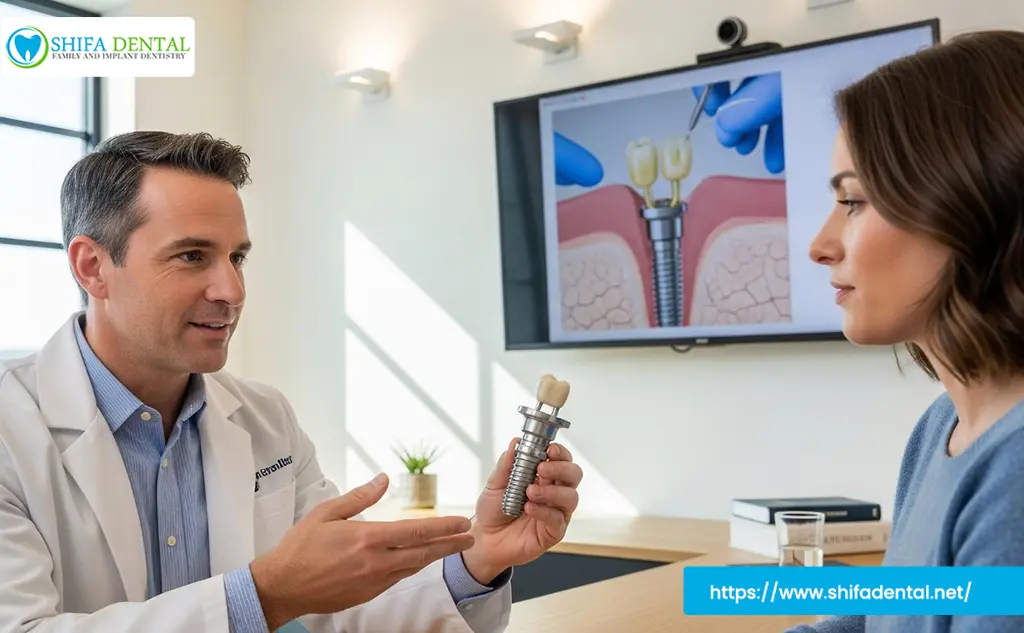
The news might be frustrating if your doctor told you that you don’t have enough jawbone for a dental implant. Bone Grafting in Garland can help rebuild areas of the jaw that have lost bone volume. The overall procedure places grafting material in an area where additional bone support is needed. Over time, the treated area can heal and develop stronger bone support, which may make future dental implant treatment possible.
At Shifa Dental, the first step is to determine why your bone has changed and whether grafting is appropriate. A dentist evaluates the area of the missing tooth, reviews dental images, and discusses your treatment goals before recommending any other procedure. An individual evaluation matters; not everyone with a missing tooth needs a bone graft.
Key Takeaways
- Bone loss can occur after gum disease, tooth loss, infection, or other dental problems.
- A bone graft rebuilds jawbone support before a dental implant.
- The recovery period varies from patient to patient.
- Good oral hygiene and following your dentist’s instructions can support healing.
- Shifa Dental can evaluate your jawbone and explain whether grafting is appropriate for your dental treatment plan.
Why Does the Jawbone Lose Volume?
Your jawbone can’t hold your teeth in a single place. It even responds to the pressure created when you chew. Area stimulation surrounding the space decreases when a tooth is missing.
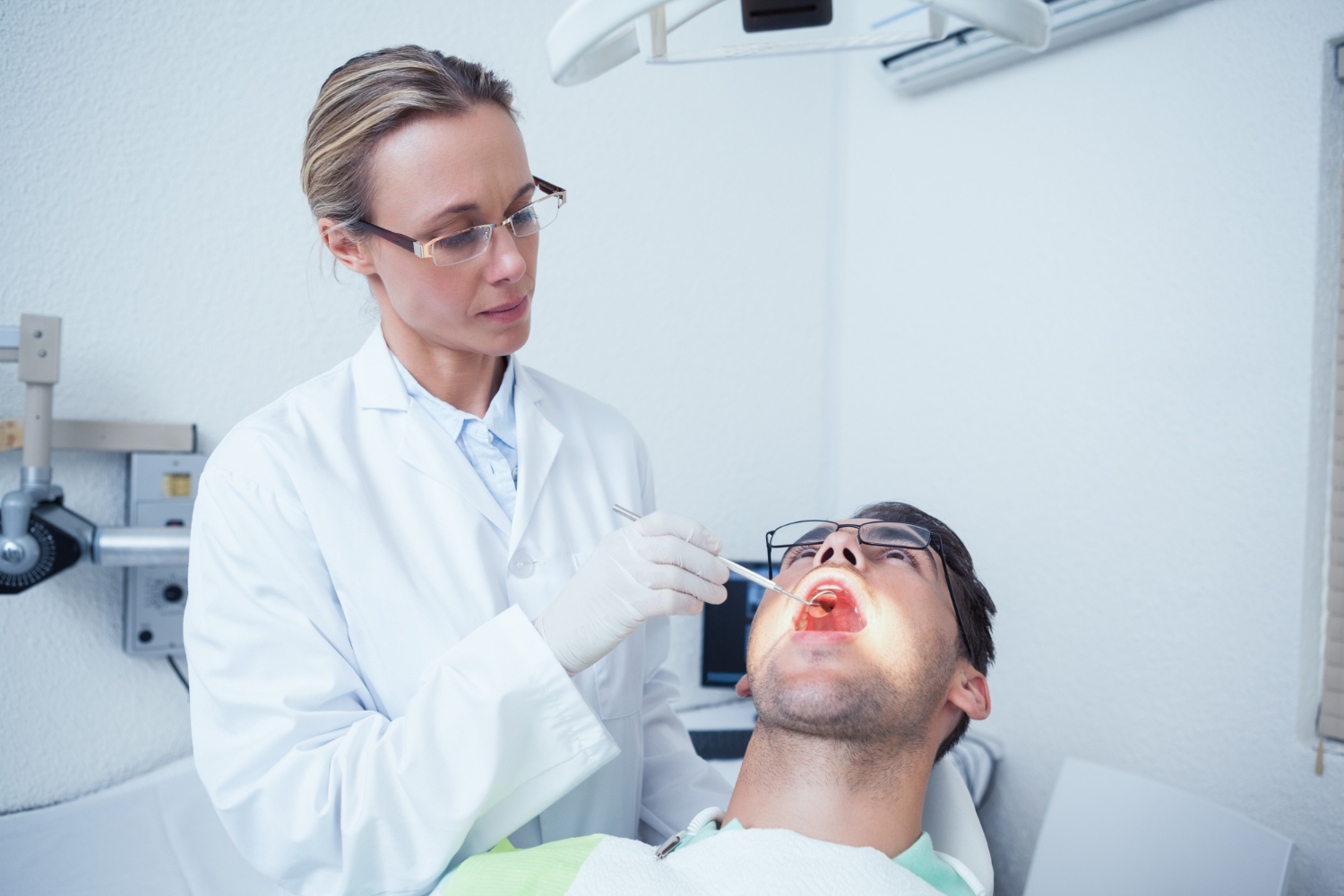
Over time, the bone may become thinner or lose height. The changes are not the same for every single person. Most people experience noticeable bone loss after tooth extraction, while others retain enough bone for an implant without further treatment. Furthermore, gum disease can affect the bone supporting your teeth. The supporting bone may also be reduced if periodontal disease has damaged the tissues around a tooth,
Common Reasons Bone Loss Happens
Tooth loss is one of the most common reasons dentists consider bone grafting. Other factors may include advanced gum disease, an old extraction site, infection, trauma, or certain conditions affecting the jaw.
The location of the missing tooth also matters. Bone requirements aren’t identical for every implant. Your dentist needs to evaluate the specific site before deciding whether grafting is necessary.
- Tooth loss is a primary reason for considering bone grafting.
- Other contributing factors include:
- Advanced gum disease
- Old extraction sites
- Infections
- Trauma
- Conditions affecting the jaw
- The location of the missing tooth is important.
- Bone requirements vary for different implants.
The Shifa Dental dentist evaluates each site to identify all problems and determine whether grafting is necessary. If you are going to bone grafting in Garland, TX, then connect with Shifa Dental experts.
Recovery After Bone Grafting in Garland
A missing tooth can even affect your smile. Over time, the jawbone surrounding the site may lose volume, which can complicate future tooth replacement. Recovery isn’t about staying in bed or completely changing your daily routine.
Your dentist may ask you to avoid chewing directly over the grafted site. Softer foods can be easier to manage during the early recovery period, especially if the area feels tender.
You should also avoid disturbing the surgical area with your tongue, fingers, or toothbrush. Keeping the area clean is important, but your dentist will tell you how to brush and rinse around the treated site.
Practical Aftercare Tips
For the first few days, follow the specific instructions provided by your dental team. Depending on your procedure, these may include:
- Choose softer foods and chew away from the treated area.
- Avoid smoking and tobacco during healing.
- Don’t poke or press the grafted area.
- Follow your dentist’s cleaning and medication instructions.
- Attend the recommended follow-up appointment.
You don’t need to overhaul your entire lifestyle while recovering. Simple changes for a short period can help protect the treatment area.
Why Choose Shifa Dental for Bone Grafting in Garland?
Choosing a dental office for a procedure like bone grafting isn’t just about the procedure itself. You want to understand why you need it, what your options are, and what happens afterwards.
At Shifa Dental, patients can discuss their concerns and treatment goals during their dental evaluation. The dentist can assess the affected area, explain whether there is enough bone for the planned treatment, and discuss whether grafting may be appropriate.
A clear treatment conversation can make the process less stressful. You’ll know what the dentist recommends and why the procedure may be part of your overall tooth replacement plan.
When Should You Schedule an Evaluation?
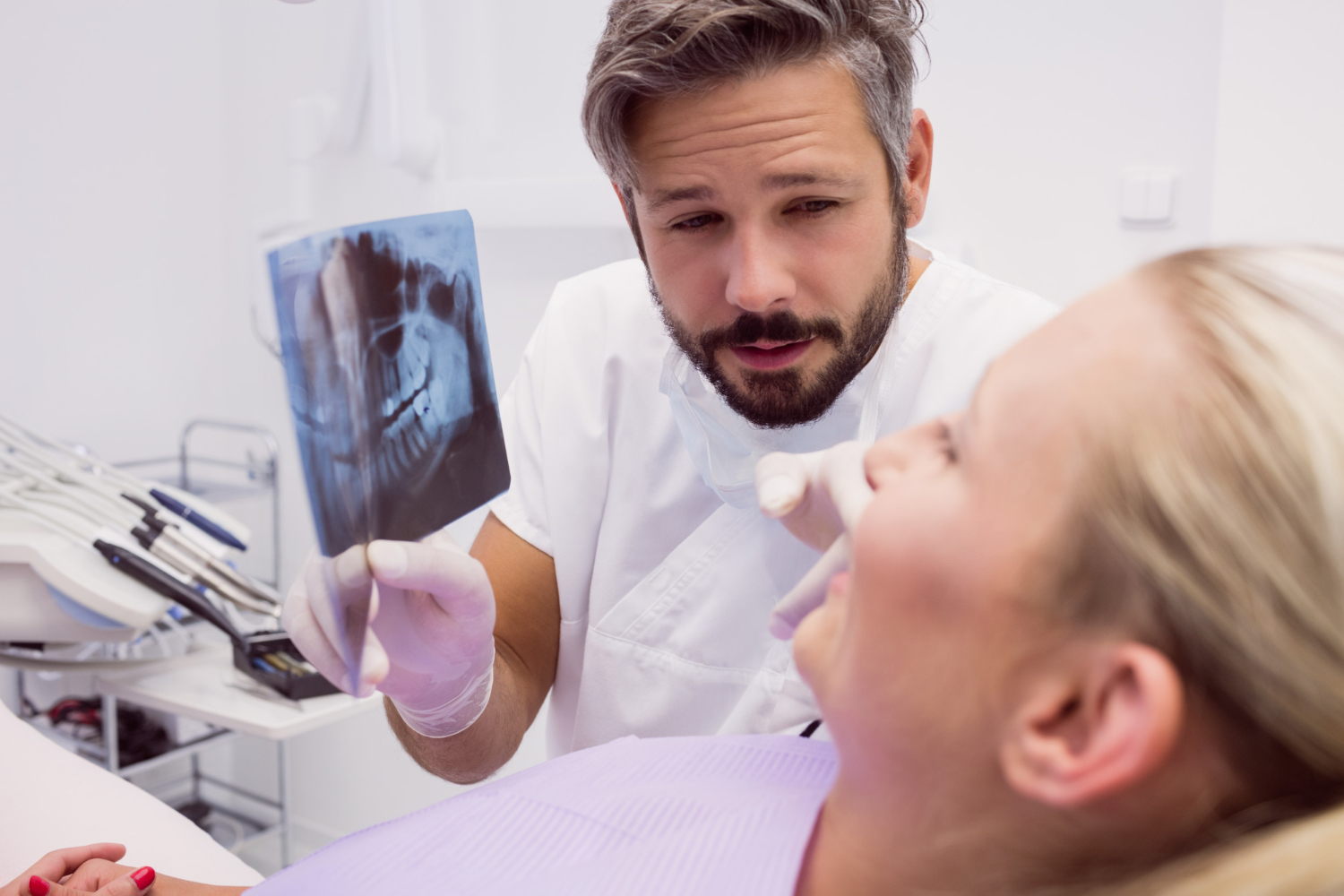
If you’ve been facing a missing tooth issue for some time, don’t assume that the area has enough bone for a dental implant. Likewise, don’t assume that bone loss means implants are no longer an option. Your dentist can assess the area and explain whether you need an implant, graft, another restoration, or a different treatment. If you are considering bone grafting in Garland, then discuss it with your dentist, who can help you understand what comes next.
Bone grafting in Garland can even provide additional support for your bone when an implant site lacks sufficient healthy bone. The process, recovery period, and even the specific timing vary from person to person. When you get an evaluation rather than guessing what your jaw needs, you can discuss your bone health, missing tooth, and tooth-replacement goals with a dental professional. The right treatment plan is based on your individual condition, not a standard approach used for everyone.
FAQ‘s:
No. Some patients have enough healthy jawbone to support an implant without grafting. Your dentist can determine whether additional bone is needed after examining the implant site.
The timing varies based on the graft and how well the area heals. Your dentist may recommend waiting several months before evaluating the site for implant placement.
You may need to choose softer foods during the early recovery period. Your dentist may also recommend chewing on the opposite side while the treated area heals.
Coverage depends on your individual insurance plan and the reason for the procedure. Ask your dental office to check your benefits and explain your expected out-of-pocket costs.
Not necessarily. Some long-term missing-tooth areas may have adequate bone, while others may have experienced significant bone loss. An examination and appropriate imaging can determine what treatment is needed.