

Finding the Best Dentist in Plano TX means looking beyond online reviews to evaluate credentials, patient communication, technology, and genuine care. The right dentist combines professional qualifications (DDS or DMD degree, board certification, active licensing), a welcoming environment that addresses your specific concerns, modern diagnostic and treatment tools, and transparent pricing—all within convenient reach of your home or workplace. In Plano and surrounding North Dallas communities like Allen, Frisco, and McKinney, families have access to many dental practices, but the ideal choice is one who listens, explains your options clearly, treats nervous patients with patience, and delivers results that last.
Why Finding the Best Dentist in Plano, TX Matters More Than You Think
Your dental health is not separate from your overall wellbeing. A preventive visit to a skilled dentist in Plano can catch early decay, gum disease, or oral cancer before they become expensive, painful problems. Yet many Plano-area patients delay or avoid dental care because they’ve had a bad experience—a rushed appointment, a dentist who didn’t listen, or surprise bills at checkout. The right dentist transforms that anxiety into confidence. They explain what they see, why treatment is needed, what options exist, and what it will cost—before the drill touches your tooth. In a city like Plano, where professionals and families juggle busy schedules, quality dental practices also respect your time with convenient hours, same-day or next-day appointments for emergencies, and efficient, high-quality care that doesn’t cut corners.
Core Credentials: What Makes a Dentist Qualified?
Before you evaluate bedside manner or office design, verify that your prospective dentist has the foundational qualifications. All U.S. dentists must earn either a DDS (Doctor of Dental Surgery) or DMD (Doctor of Medicine in Dentistry) degree—both require identical four-year dental school training, pass the same national board exams, and hold equivalent licensure. The degree name varies by school; there is no difference in skill or qualification between the two.
Beyond the degree, a qualified dentist in Plano, TX will hold:
- Active Texas State Dental License: Verify via the Texas State Board of Dental Examiners online license lookup. An active license means the dentist has met continuing education requirements and has no disciplinary actions on record.
- Board Certification (optional but prestigious): General dentists can pursue board certification through the American Board of Dental Public Health or specialty boards (American Board of Orthodontics, American Board of Oral and Maxillofacial Surgery, etc.). Board certification requires passing rigorous exams and maintaining ongoing standards—it signals expertise beyond the minimum license.
- Continuing Education: Top practitioners stay current with modern techniques, materials, and technology. Look for memberships in professional organizations like the American Dental Association (ADA), Academy of General Dentistry (AGD), or specialty academies, which require ongoing learning.
- Specialty Training (if relevant): If you need implants, orthodontics, root canals, or pediatric care, confirm the dentist has completed post-graduate training or certification in that area—not just general dentistry.
Communication & Patient-Centered Care: The Human Side of Dentistry
Technical skill is necessary but not sufficient. A quality dentist listens more than they talk during your first visit. They ask about your dental history, your fears, your goals—whether that’s a brighter smile, fixing a broken tooth, or managing chronic gum disease. They explain what they observe in language you understand, avoiding jargon or simplifying it when they can’t avoid it.
Red flags to watch for:
- A dentist who recommends expensive treatment without explaining why or offering alternatives.
- Staff that rushes you through the appointment or seems annoyed by questions.
- No discussion of anesthesia options or sedation if you’re anxious.
- Vague pricing or surprise charges after treatment.
Green flags that signal a patient-centered approach:
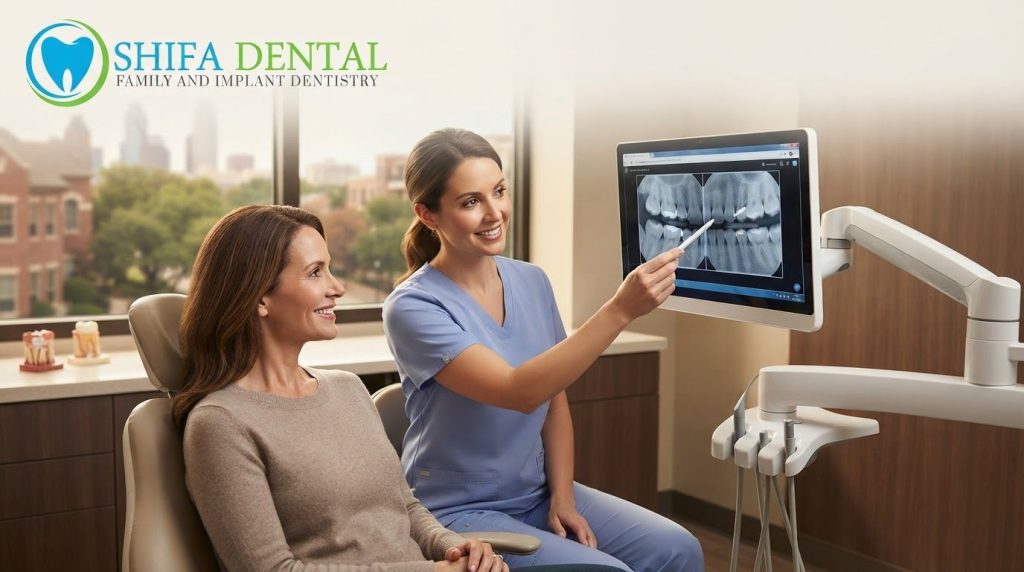
- The dentist or hygienist shows you X-rays or intraoral camera images and explains findings in real time.
- They ask about your preferences (e.g., “Would you like to numb this area first?” or “Do you prefer metal braces or clear aligners?”).
- They discuss multiple treatment pathways and their pros and cons.
- They give you time to think and ask questions without pressure.
- They follow up after procedures to ensure you’re healing well and comfortable.
Technology & Modern Facilities: Signs of a Forward-Thinking Practice
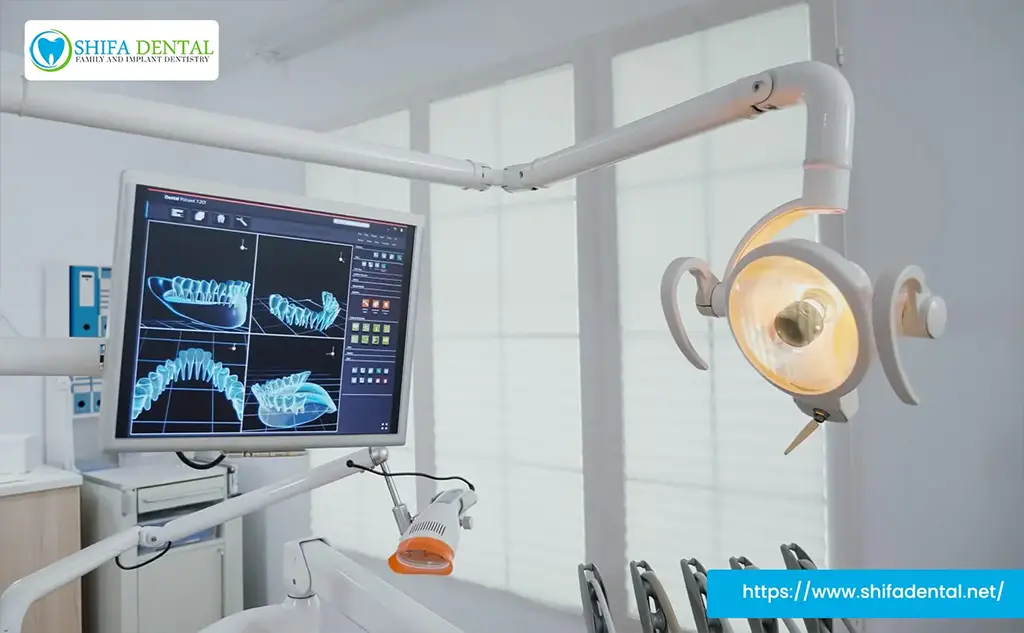
Top-rated practices in Plano invest in modern diagnostic and treatment technology—not for show, but to provide better outcomes, faster results, and lower radiation exposure. Key technologies to look for:
- Digital X-rays: Reduce radiation by up to 80% compared to traditional film and allow the dentist to zoom in on details instantly.
- Intraoral cameras: Let you see exactly what the dentist sees on a chairside monitor—great for explaining problems and building trust.
- CEREC or same-day crown technology: Allows the dentist to mill and place a crown in one appointment instead of two visits weeks apart.
- Laser therapy: Some practices use soft-tissue lasers for gum disease, canker sores, or cosmetic gum contouring with less discomfort and faster healing.
- 3D imaging (CBCT): Essential for complex implant cases, orthodontics, or impacted wisdom teeth; provides a 3D roadmap instead of flat X-rays.
- Nitrous oxide (laughing gas) & IV sedation: For anxious patients, quality practices offer sedation options to make treatment comfortable.
A clean, well-lit, modern office with updated equipment suggests a practice that prioritizes patient experience and clinical excellence.
Evaluating Reputation: Reviews, Referrals & Verification
Online reviews are a starting point, not the whole story. When researching a dentist in Plano, TX, check multiple sources:
| Review Source | What It Tells You | Red Flags |
|---|---|---|
| Google Reviews | Most visible; verified patients; broad audience feedback. | All 5-star reviews (unrealistic); no responses to negative reviews; recent drop in ratings. |
| Healthgrades | Healthcare-focused; verified patient reviews; board certification info. | Complaints about billing, wait times, or lack of communication. |
| Zocdoc | Appointment booking platform; verified visits; specific feedback on punctuality and wait time. | Frequent complaints about long waits or rescheduled appointments. |
| Better Business Bureau (BBB) | Complaints resolution; accreditation status; business conduct history. | Unresolved complaints; low accreditation rating; pattern of billing disputes. |
| Personal referrals | Word-of-mouth from friends, family, or your primary care doctor; trusted, specific feedback. | Referral based on outdated experience; doesn’t match your needs. |
Look for patterns: Do multiple reviewers mention the same strengths (e.g., “gentle,” “thorough,” “friendly staff”)? Or do they cite the same problems (e.g., “expensive,” “rushed,” “rude”)? A handful of negative reviews is normal; a pattern of them is not. Also notice whether the dentist or office manager responds professionally to negative reviews—it shows they care about patient satisfaction.
Specialization & Services: Does Your Dentist Match Your Needs?
The right dentist for you depends partly on what you need. A general dentist can handle routine cleanings, fillings, and simple extractions. But if you need implants, orthodontics, root canal therapy, or pediatric care, you may benefit from a dentist with specialized training or a multi-specialty practice that houses specialists.
| Service / Condition | What to Look For |
|---|---|
| Cosmetic Dentistry (whitening, veneers, smile design) | Dentist with cosmetic cases in their portfolio; before-and-after photos; training in esthetic principles; experience with your desired outcome. |
| Dental Implants | Implant-trained general dentist or oral surgeon; experience with bone grafting if needed; 3D imaging capability; clear explanation of implant vs. bridge vs. denture options. |
| Root Canal Therapy (Endodontics) | Board-certified endodontist or general dentist with advanced endodontic training; rotary instruments and electronic apex locators; operating microscope for precision; free second opinion offered. |
| Orthodontics (Braces, Invisalign, Retainers) | Board-certified orthodontist or dentist with orthodontic specialty; clear treatment plan with expected timeline; experience with your preferred method (metal, ceramic, or clear aligners). |
| Pediatric Dentistry | Pediatric-trained dentist or general dentist experienced with children; child-friendly office design; patience with anxious kids; fluoride and sealant programs; parent education. |
| Gum Disease (Periodontics) | Periodontist or general dentist with gum disease expertise; scaling and root planing; laser therapy or surgical options if needed; home care instruction. |
| Anxiety or Sedation Dentistry | Dentist trained in sedation (nitrous oxide, oral sedation, or IV); calm demeanor; patient testimonials about anxiety management; takes time with nervous patients. |
Practical Factors: Hours, Location, Insurance & Affordability
Even an excellent dentist isn’t accessible if they’re hard to reach. When evaluating a practice, consider:
- Location: Is the office close to your home, workplace, or kids’ school? Plano is a sprawling city; a 20-minute commute each way adds up.
- Hours: Do they offer early morning, evening, or Saturday appointments? Many families need flexibility. Quality practices in Plano offer Saturday hours and same-day or next-day emergency slots.
- Parking & accessibility: Is parking easy and free? Are there wheelchair-accessible entrances if needed?
- Insurance accepted: Does the practice accept your dental plan? Do they file claims for you or make you pay upfront? Reputable offices accept most major plans and handle billing transparently.
- Uninsured or underinsured options: If you don’t have dental insurance, ask about in-house savings plans, 0% financing, CareCredit, or sliding-scale fees.
- Transparent pricing: Reputable practices provide a written treatment estimate before starting work. There should be no surprise bills.
- Multilingual staff: In North Dallas, many families speak languages other than English. Quality dental offices hire multilingual staff to ensure clear communication.
Red Flags: When to Keep Looking
Some warning signs suggest a practice is not the right fit:
- Pressure to do expensive treatment immediately: Reputable dentists give you time to think and offer payment plans.
- Dismissive attitude toward your concerns: If you ask about pain, cost, or alternatives and the dentist brushes you off, look elsewhere.
- No clear diagnosis or treatment plan: You should leave your first visit knowing what’s wrong and what options exist.
- Outdated office or equipment: While modern tech isn’t everything, a very old office may signal a practice that doesn’t invest in patient care.
- No response to online reviews: Practices that ignore feedback—good or bad—may not prioritize patient satisfaction.
- Staff that seems disorganized or rude: Your experience starts in the waiting room. Friendly, efficient staff reflects office culture.
- Vague credentials or refusal to discuss qualifications: Quality practitioners are proud of their training and happy to explain it.
Green Flags: What Excellent Plano Dentists Offer
Conversely, look for practices that consistently demonstrate these qualities:
- A free or low-cost initial consultation: They want to meet you and understand your needs before committing to treatment.
- A second-opinion policy: For major procedures (implants, root canals, braces, extractions), reputable practices offer a free second opinion to build trust.
- Clear communication: The dentist or hygienist explains findings, shows you images, and answers questions without rushing.
- Flexible payment and financing: They accept multiple insurance plans, offer in-house savings plans, and partner with financing companies like CareCredit.
- Same-day emergency care: Emergencies happen. Quality practices reserve slots for urgent cases and don’t make you wait weeks in pain.
- Saturday and convenient weekday hours: They understand that working families need flexibility.
- Multilingual staff: They serve diverse communities and ensure every patient understands their care.
- Active online engagement: They respond to reviews, maintain an up-to-date website, and use social media to educate patients.
- Continuing education & professional memberships: They invest in staying current with best practices.
- Positive patient testimonials: Real stories from satisfied patients are powerful evidence of quality and care.
How to Make Your First Appointment & What to Expect
Once you’ve identified a candidate, call or visit their website to schedule a consultation or cleaning. Here’s what a good first visit should include:
- Comprehensive health history: The dentist or hygienist asks about your medical history, medications, allergies, and dental goals.
- Thorough exam: They examine your teeth, gums, bite, and oral tissues; take X-rays if needed; and discuss findings with you.
- Treatment plan (if needed): If problems are found, they explain what they see, why it matters, what options exist, and what each costs.
- Time for questions: They don’t rush you. You leave with a clear understanding of your mouth and next steps.
- Friendly, welcoming staff: From check-in to checkout, you feel respected and cared for.
Don’t hesitate to ask questions during this visit. A quality dentist welcomes them and adjusts their approach based on your feedback.
FAQ: Finding the Best Dentist in Plano, TX
How do I verify a dentist’s license and credentials in Texas?
Visit the Texas State Board of Dental Examiners website (tsbde.texas.gov) and use their license lookup tool. Enter the dentist’s name or license number to confirm they hold an active license with no disciplinary actions. You can also call the board directly at (512) 463-6400.
What’s the difference between a DDS and DMD, and does it matter?
DDS (Doctor of Dental Surgery) and DMD (Doctor of Medicine in Dentistry) are equivalent degrees awarded by different dental schools. Both require the same four-year training, pass identical licensing exams, and hold the same legal authority. The title is a matter of the school’s naming convention, not skill level. Either degree indicates proper training.
Should I choose a general dentist or a specialist for dental care in Plano?
For routine care (cleanings, fillings, preventive exams), a skilled general dentist is excellent. For complex cases (implants, orthodontics, root canals, gum disease), a specialist with post-graduate training often delivers better outcomes. Many Plano practices house both general dentists and specialists under one roof, so you can get comprehensive care in one location.
How important are online reviews when choosing a dentist?
Reviews are helpful but not the whole picture. Look for patterns across multiple platforms (Google, Healthgrades, Zocdoc) rather than relying on a single 5-star or 1-star review. Pay attention to specific feedback about communication, wait times, and results. Also check the Better Business Bureau for unresolved complaints. Combine reviews with credentials verification and a personal consultation to make your decision.
What should I do if I find a quality dentist in Plano but they don’t accept my insurance?
Ask if they offer an in-house discount plan, payment plans, or 0% financing options. Many practices accept CareCredit, which is a healthcare credit card that offers promotional financing. Some dentists will also file your claim as a courtesy, letting you submit for reimbursement. If cost is a barrier, don’t avoid dental care—discuss options with the practice.
How often should I visit a dentist for checkups?
The American Dental Association recommends a dental checkup and cleaning every six months for most people. If you have gum disease, diabetes, or other risk factors, your dentist may recommend more frequent visits. Ask your dentist what schedule is right for your individual risk profile.
Conclusion: Your Best Dental Care Starts with the Right Dentist
Finding the Best Dentist in Plano TX is an investment in your long-term health and confidence. The right choice combines solid credentials (DDS/DMD degree, active Texas license, ideally board certification), modern technology, clear communication, a patient-centered approach, and practical accessibility (convenient hours, transparent pricing, insurance flexibility). Quality dentists listen to your concerns, explain your options, and treat you as a partner in your care—not just a source of revenue.
Use this guide to evaluate candidates: verify licenses through the Texas State Board, check reviews across multiple platforms for patterns, ask about specializations and experience with your specific needs, and schedule a consultation to assess the office culture and your comfort level. Red flags like pressure tactics, vague pricing, or dismissive staff should send you elsewhere. Green flags like free second opinions, same-day emergency care, Saturday hours, and multilingual staff suggest a practice that truly prioritizes patient wellbeing.
In North Dallas communities like Plano, Allen, Frisco, and McKinney, you have choices. Take time to find a dentist who earns your trust—it will pay dividends in your oral health for years to come.