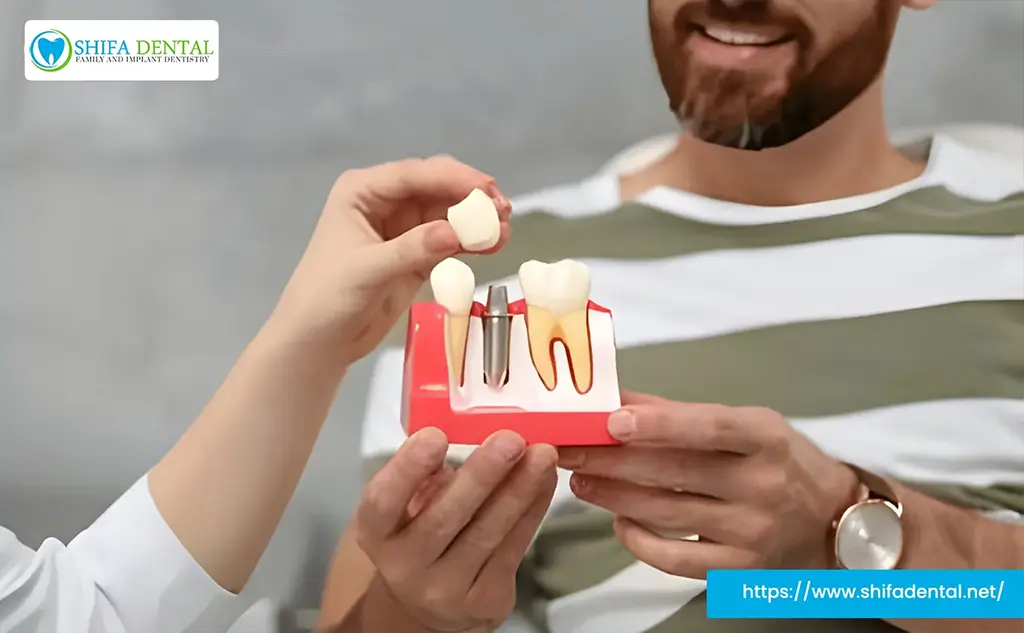



Root Canal Therapy in Garland, TX is a common endodontic procedure performed to save a tooth with an infected or inflamed pulp—and it’s far less painful than the myth suggests. When you have a severely decayed tooth, a crack that reaches the pulp chamber, or an abscess causing swelling and pain, root canal therapy offers a way to eliminate the infection, relieve your discomfort, and preserve your natural tooth instead of extracting it. At Shifa Dental in Garland, we use modern techniques and sedation options to make the experience as comfortable as possible, and we’re transparent about every step—and every cost—before you begin treatment.
What Is Root Canal Therapy and Why Do You Need It?
Inside every tooth is a chamber filled with soft tissue called the pulp—blood vessels, nerves, and connective tissue that kept the tooth alive during development. Once a tooth is fully mature, it can survive without the pulp because the tooth continues to be nourished by tissues surrounding the root. However, if the pulp becomes infected or inflamed due to decay, trauma, or a crack, the tooth will begin to die, and an abscess (a pocket of infection) can form at the root tip.
Root canal therapy removes the infected or inflamed pulp from inside the tooth, disinfects the root canal system, and fills it with an inert material to seal out future infection. The goal is simple: eliminate the source of pain and infection while keeping your natural tooth intact. Without treatment, the infection can spread to the jawbone, sinuses, or bloodstream, and you’ll eventually lose the tooth.
Common signs that you may need root canal therapy include:
- Severe, throbbing pain when chewing or applying pressure to the tooth
- Prolonged sensitivity to hot or cold temperatures, even after the stimulus is removed
- Visible decay or a dark spot on the tooth surface
- Swelling and tenderness in nearby gums or jaw
- A small pimple-like bump on the gums near the affected tooth
- Discoloration or darkening of the tooth
If you’re experiencing any of these symptoms in Garland, TX or surrounding North Dallas areas like Rowlett, Sachse, or Mesquite, schedule an exam at Shifa Dental as soon as possible. Early diagnosis improves your chances of saving the tooth and reduces complexity and cost.
How Does Root Canal Therapy Work? A Step-by-Step Breakdown
Modern root canal therapy combines precision instruments, digital imaging, and magnification to ensure thorough cleaning and sealing. Here’s what to expect during your appointment at Shifa Dental in Garland:
1. Diagnosis and Imaging
Your dentist will take digital X-rays and may use 3D imaging (CBCT) to visualize the exact shape and depth of the root canals and confirm the extent of infection. This helps your provider plan the most efficient treatment approach.
2. Anesthesia and Comfort
Local anesthesia is applied to numb the tooth and surrounding tissue. If you’re anxious about dental procedures, Shifa Dental offers sedation options—including nitrous oxide (laughing gas) and oral sedation—to help you relax throughout the procedure.
3. Access and Pulp Removal
Your dentist creates a small opening in the crown of the tooth to access the pulp chamber. Using specialized instruments called files, the infected or inflamed pulp is carefully removed from the pulp chamber and root canals. This is the step that eliminates the source of your pain.
4. Cleaning and Shaping
The root canals are cleaned, shaped, and enlarged using progressively larger files. This process removes debris, bacteria, and any remaining infected tissue. The canals are irrigated with antimicrobial solutions to disinfect the system.
5. Filling the Canals
Once the canals are clean and dry, they’re filled with a biocompatible material called gutta-percha—a rubber-like compound—along with a sealer cement. This fills the space where the pulp was and prevents future infection. The access hole is then sealed with a temporary or permanent filling.
6. Restoration
After root canal therapy, the tooth is more fragile because it no longer has a blood supply. Most teeth that undergo root canal therapy in Garland will need a crown or other restoration to protect them and restore full function. Your dentist will discuss the best restoration option during your consultation.
Recovery Timeline: What to Expect After Root Canal Therapy
One of the biggest myths about root canal therapy is that it’s extremely painful and requires weeks of recovery. In reality, modern techniques and effective anesthesia make the procedure itself painless, and recovery is quick.
First 24 Hours
You may experience mild discomfort or sensitivity in the tooth and surrounding gum after the anesthetic wears off. This is normal and typically subsides within 24 hours. Over-the-counter pain relievers like ibuprofen or acetaminophen are usually sufficient. Avoid chewing on the treated tooth until it’s permanently restored.
Days 2–7
Most patients feel significantly better within 48 hours and can return to normal activities—work, school, exercise—with minimal restriction. The tooth may feel slightly tender, and you may notice mild swelling in the jaw or gums, but these symptoms typically resolve within a week.
Weeks 2–4 and Beyond
Complete healing of the bone around the root tip can take months, but you won’t feel this process. Once your permanent restoration (crown or filling) is in place, you can use the tooth normally for chewing. Follow-up X-rays at 6–12 months confirm that the bone has healed and the infection has resolved.
Root Canal Therapy Success Rates and Long-Term Outcomes
Modern root canal therapy is one of the most successful dental procedures available. According to peer-reviewed research and the American Association of Endodontists, primary root canal therapy has a success rate of approximately 85–90% when performed using current techniques and materials.
Success is defined as the absence of pain, swelling, and other symptoms, combined with radiographic evidence that the bone around the root tip has healed. Factors that improve outcomes include:
- Early treatment: Teeth treated before a large abscess develops have better healing rates.
- Complete filling: Canals filled to within 0–2 mm of the apex (root tip) have significantly better outcomes.
- Proper restoration: A crown or other restoration placed promptly after therapy protects the tooth and prevents reinfection.
- Experienced provider: Specialists (endodontists) and well-trained general dentists achieve better outcomes than less experienced providers.
- Patient compliance: Following post-treatment instructions and attending follow-up appointments improve healing.
If a root canal therapy fails—which happens in 10–15% of cases—retreatment is often successful. A 2024 systematic review published in the Journal of Endodontics found that nonsurgical retreatment achieves a success rate of approximately 79–87%, with even higher success rates when a lesion is small or absent before retreatment begins.
Root Canal Therapy vs. Tooth Extraction: Why Save Your Tooth?
When faced with a severely infected tooth, some patients ask: “Why not just extract it?” While extraction is sometimes necessary, saving your natural tooth with root canal therapy is almost always the better choice. Here’s why:
| Factor | Root Canal Therapy | Extraction + Replacement |
|---|---|---|
| Preserves Natural Tooth | Yes—tooth remains in mouth | No—tooth is removed |
| Bone Loss | Minimal; root structure preserved | Significant jawbone resorption over time |
| Function | Restores full chewing ability | Requires implant or bridge (months to complete) |
| Longevity | Natural teeth last a lifetime with care | Implants last 10–25+ years; bridges 5–15 years |
| Overall Cost | Lower initial + restoration cost | Higher—extraction, bone grafting, implant/bridge |
Saving your natural tooth with root canal therapy preserves your bite, maintains jawbone structure, and avoids the lengthy and expensive process of tooth replacement. Even a tooth that has had root canal therapy can function normally for decades with proper care.
Understanding the Cost of Root Canal Therapy in Garland, TX
Cost is often a patient’s first concern when facing root canal therapy. While root canal therapy is an investment, it’s typically less expensive than extracting a tooth and replacing it with an implant or bridge. Costs vary based on several factors:
Factors That Affect Pricing
- Tooth Location: Front teeth (incisors and canines) have one root canal and are less complex. Back teeth (molars) often have 2–3 canals and take longer to treat.
- Complexity: Curved roots, calcified canals, or previous treatment make the procedure more involved.
- Specialist vs. General Dentist: Endodontists (root canal specialists) may charge more than general dentists but often achieve better outcomes.
- Technology: Use of 3D imaging, digital apex locators, and rotary instruments increases precision but may affect cost.
Insurance Coverage and Financing in Garland
Most dental insurance plans classify root canal therapy as a major service and cover 50–80% of the cost after your deductible is met. Uninsured patients in Garland, TX have options:
- Shifa Dental Saving Plan: Our in-house plan offers discounts on all major procedures, including root canal therapy, with no enrollment fees.
- 0% Interest Financing: Spread your treatment cost over 6–12 months with no interest charges.
- CareCredit: A third-party credit card designed for healthcare expenses, with promotional financing options.
- Transparent Pricing: At Shifa Dental, you’ll know the exact cost before treatment begins—no hidden fees.
Schedule a free consultation at our Garland location to discuss your specific situation and financing options.
Choosing a Provider for Root Canal Therapy in Garland, TX
The success of your root canal therapy depends heavily on your provider’s skill, experience, and technology. When selecting a dentist for Root Canal Therapy in Garland, consider these factors:
Questions to Ask Your Dentist
- How many root canal procedures do you perform each month?
- Do you use modern technology (digital imaging, rotary instruments, apex locators)?
- What is your success rate, and do you track long-term outcomes?
- Do you offer sedation options for anxious patients?
- What is your policy if the root canal therapy doesn’t heal as expected?
- Can I get a free second opinion before committing to treatment?
At Shifa Dental in Garland, we offer a free second-opinion consultation for all major procedures, including root canal therapy. Our dentists use digital imaging, rotary instruments, and magnification to ensure precision. We also offer nitrous oxide and oral sedation for patients who are nervous about dental treatment.
Frequently Asked Questions About Root Canal Therapy in Garland
How long does root canal therapy take?
A typical root canal therapy appointment lasts 60–90 minutes, depending on the tooth’s anatomy and complexity. Front teeth are usually faster; molars with multiple canals take longer. You’ll be numb throughout, so you shouldn’t feel pain—only pressure and vibration.
Is root canal therapy painful?
No. Modern anesthesia makes the procedure itself painless. You may feel mild discomfort for 24–48 hours afterward, but this is usually manageable with over-the-counter pain relievers. The pain you felt before treatment (from the infected pulp) is typically worse than any post-treatment sensitivity.
Can I eat after root canal therapy?
Yes, but wait until the anesthetic wears off (usually 2–3 hours) to avoid biting your cheek or lip. Stick to soft foods for the first few days and avoid chewing directly on the treated tooth until it’s restored with a crown or filling.
How long does recovery take after root canal therapy?
Most patients return to normal activities within 24–48 hours. Complete bone healing around the root tip can take 3–6 months, but you won’t feel this process. Your dentist will monitor healing with follow-up X-rays.
What happens if root canal therapy fails?
If the tooth doesn’t heal as expected, retreatment is often successful. Your dentist may recommend nonsurgical retreatment (removing the old filling and re-treating the canals) or, in rare cases, a surgical procedure called an apicoectomy. Modern retreatment techniques have success rates of 79–87%.
Do I need a crown after root canal therapy?
In most cases, yes. Teeth that have had root canal therapy become more brittle because they’ve lost their blood supply. A crown protects the tooth from fracture and restores full function. Your dentist will discuss the best restoration option during your consultation.
Why Choose Shifa Dental in Garland for Your Root Canal Therapy?
When you need root canal therapy in Garland, TX, you deserve a practice that combines clinical expertise with patient-centered care. Here’s what sets Shifa Dental apart:
- Modern Technology: Digital imaging, rotary instruments, and magnification for precision and efficiency.
- Sedation Options: Nitrous oxide and oral sedation available for anxious patients.
- Free Second Opinion: Consult with our dentists at no charge before committing to root canal therapy.
- Transparent Pricing: You’ll know the exact cost before treatment begins—no surprise bills.
- Flexible Scheduling: Same-day emergency appointments and Saturday hours for your convenience.
- Financing Solutions: 0% interest financing, CareCredit, and our in-house Shifa Dental Saving Plan.
- Multilingual Staff: We speak English, Urdu, Punjabi, Telugu, Kannada, and Spanish.
- Insurance-Friendly: We accept most insurance plans, including children’s Medicaid and CHIP.
Take the Next Step: Schedule Your Root Canal Therapy Consultation in Garland
If you’re experiencing pain, swelling, or other signs of a tooth infection, don’t wait. The longer you delay treatment, the more complex the infection becomes and the higher your risk of losing the tooth. Root canal therapy is a straightforward, highly successful procedure that eliminates pain and saves your natural tooth.