

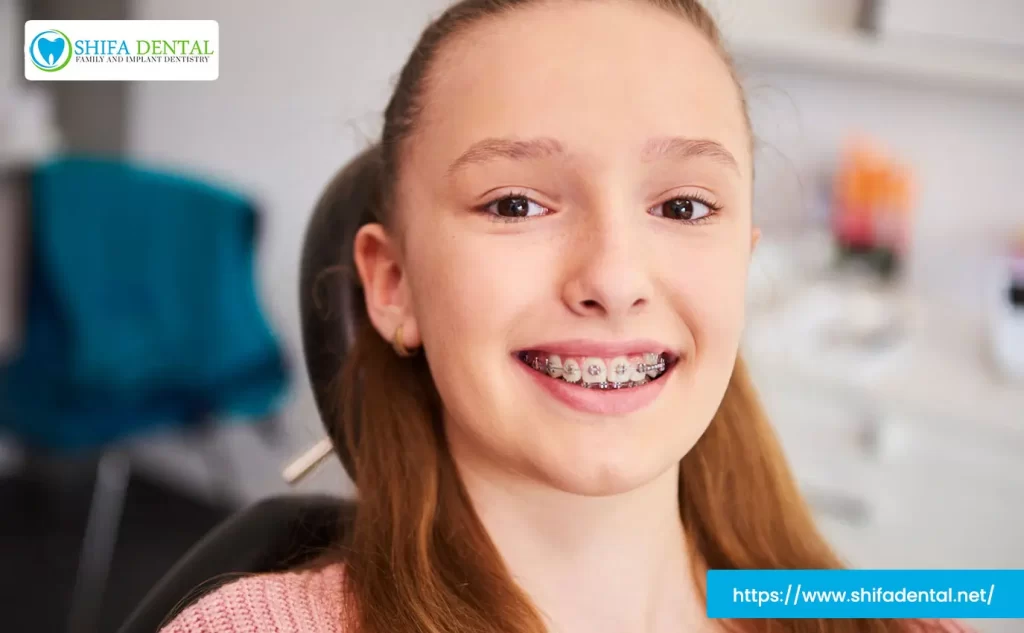
A broken bracket can happen when you least expect it. One bite of a hard snack or a simple habit like chewing on a pen may be enough to damage your braces. While broken brackets are common during braces Plano TX treatment, most cases are preventable. Knowing what causes them can help you avoid delays and keep your smile moving in the right direction.
Eating Hard Foods
Eating foods that put too much stress on the braces is one of the main reasons for breaking brackets. Some foods can apply a direct force to the brackets or generate enough force to dislodge them from the tooth surface.

Examples include:
- Hard candy
- Ice cubes
- Nuts
- Popcorn kernels
- Hard pretzels
- Crunchy chips
- Whole apples bitten directly
Many orthodontists advise against chewing hard foods with the front teeth, and instead recommend chewing hard foods into smaller bites.
This is why patients with orthodontic braces Plano TX are usually given a list of foods they should steer clear of. Following those guidelines can significantly reduce the chances of bracket damage.
Sticky Foods Can Pull Brackets Loose
While hard foods create impact, sticky foods create pulling forces.
Foods such as caramel, chewing gum, taffy, and gummy candies can attach themselves to the braces and pull against the brackets when chewing. Over time, this may weaken the bond between the tooth and bracket.
Some patients assume soft foods are always safe, but sticky textures can be just as problematic as hard foods. Although orthodontic adhesive is designed to be durable, repeated stress from sticky foods can increase the risk of a bracket becoming loose.
This is why patients using affordable braces Plano TX treatment plans are encouraged to follow the same dietary recommendations regardless of the type of braces selected.
Accidents During Sports Activities
Sports-related injuries are another common reason brackets break. A direct hit to the mouth can damage multiple parts of the braces at once. Brackets may crack, bend, or separate from the teeth entirely.
Activities that carry a higher risk include:
- Football
- Basketball
- Hockey
- Martial arts
- Skateboarding
- Soccer
A properly fitted mouthguard can help protect both the teeth and orthodontic appliances during sports activities. It provides a buffer and helps to absorb impact during physical activity. Any patient who participates in sports during teeth straightening Plano TX treatment should talk to their orthodontist about protection measures.
Biting Non-Food Objects
There are habits that many people engage in and don’t even realize. Unfortunately, some of these habits are a burden on brackets.
Common examples include:
- Chewing pens
- Biting fingernails
- Opening packages with teeth
- Chewing pencils
- Holding objects between teeth
These actions might not appear to be harmful, but the pressure is typically applied to a few brackets at a time. Damage can occur over time due to repeated strain. Patients with ceramic braces in Plano, TX, should be especially careful because ceramic brackets can chip when exposed to excessive force.
Poor Oral Hygiene Around Brackets
Oral hygiene involves more than just the teeth and gums. Plaque buildup around brackets can affect the health of the enamel and may contribute to weakening the bracket bond over time. This can lead to bracket failure over time. Food particles trapped around braces can contribute to plaque buildup and enamel damage, making it more difficult to maintain a healthy environment during treatment.
The following are good oral hygiene practices:
- Brushing after meals
- Cleaning around brackets carefully
- Using flossing tools designed for braces
- Attending regular dental visits
These practices help maintain oral health and stability of the appliance during treatment.
Teeth Grinding and Clenching
Some patients chew or grind their teeth without being aware of it. This is called bruxism and can put a lot of strain on orthodontic appliances. The pressure exerted during grinding may be greater than the pressure that the brackets normally encounter when chewing food.
As a result of repeated grinding, over time it can:
- Loosen brackets
- Bend wires
- Cause discomfort
- Increase appliance wear
Patients who grind their teeth should discuss the issue with their orthodontist. Additional protective measures may be recommended depending on the severity of the habit.
This concern applies to traditional braces as well as invisible braces Plano TX treatment options that use attachments bonded to the teeth.
Ignoring Minor Damage
A bracket does not always fall off immediately. Sometimes the first sign is a slightly loose bracket or a wire that feels different. Patients occasionally postpone calling the orthodontist because there is little or no pain. However, small issues often become larger problems when left unaddressed.
Early intervention allows repairs to be completed before additional brackets or wires are damaged and before treatment progress is affected. Quick action can help maintain treatment schedules and reduce the likelihood of longer appointments later.
What Should You Do If a Bracket Breaks?
The first step is to remain calm. A broken bracket is usually not an emergency, but it should be addressed as soon as possible.
Patients should:
- Check whether the bracket remains attached to the wire.
- Avoid touching or moving it repeatedly.
- Use orthodontic wax if irritation develops.
- Contact the orthodontic office.
- Follow instructions provided by the care team.
Attempting home repairs can make the situation worse and may damage other parts of the appliance.
Why Choosing the Right Orthodontic Provider Matters
Preventing broken brackets is easier when treatment is planned and monitored by experienced professionals.
At Shifa Dental, patients receive detailed guidance about caring for braces from the start of treatment. The team takes time to explain food restrictions, appliance maintenance, and protective habits that help reduce unnecessary repairs.
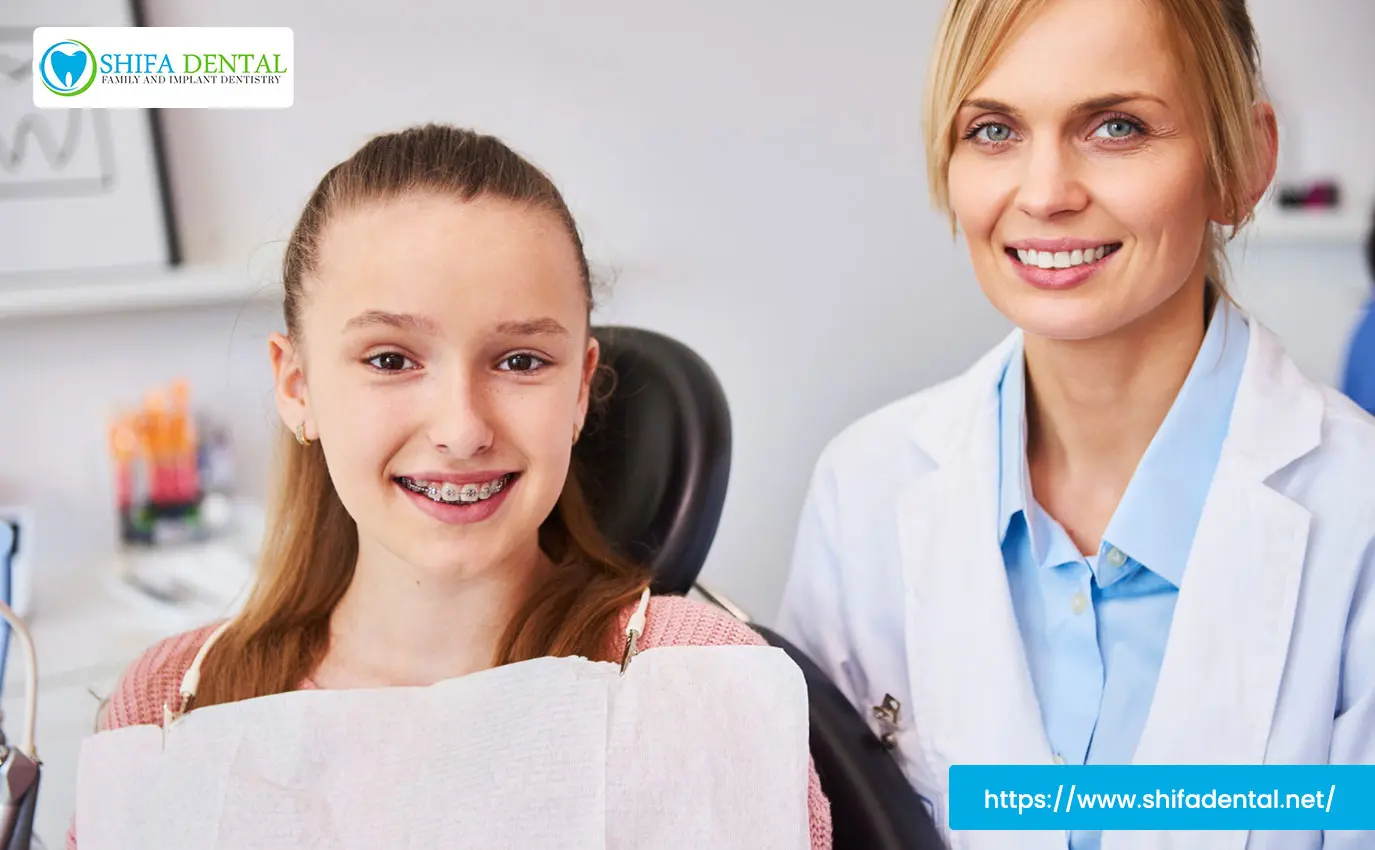
Their approach focuses on patient education, regular monitoring, and personalized treatment planning. Whether someone is considering orthodontic braces Plano TX treatment, clear braces Plano TX solutions, or invisible braces Plano TX options, proper guidance plays a major role in achieving successful results.
Patients also appreciate access to modern treatment methods, experienced providers, and a supportive environment throughout every stage of care. This commitment to patient-focused treatment helps build trust and supports better long-term outcomes.
Final Thoughts
Broken brackets are common, but most cases can be prevented. Hard foods, sticky snacks, sports injuries, teeth grinding, and harmful habits are among the most frequent causes. Knowing these risks allows patients to make better choices and avoid unnecessary setbacks.
Whether you are exploring affordable braces Plano TX options, ceramic braces Plano TX treatment, or other orthodontic solutions, protecting your braces is one of the simplest ways to stay on track. Simple habits such as avoiding hard foods, wearing a mouthguard, and attending regular checkups can help keep your treatment on schedule.
FAQs
Yes. A broken bracket may prevent a tooth from moving as planned. The longer it remains damaged, the greater the chance of treatment delays.
Not always. It is best to contact your orthodontist as soon as you notice the issue so they can determine whether an earlier visit is needed.
Ceramic brackets are durable, but they can be more susceptible to chipping when exposed to strong impacts compared to traditional metal brackets.
It is generally recommended to avoid hard, crunchy, or sticky foods until the bracket has been repaired.
Follow dietary recommendations, avoid chewing non-food items, maintain good oral hygiene, wear a mouthguard during sports, and attend regular orthodontic appointments.