


Pus in the gums is often a sign that an infection has spread deeper into the tooth or surrounding gums. In some cases, the problem begins inside the tooth when bacteria reach the inner pulp, leading to swelling, pain, and pus near the gums.
Instead of removing the tooth right away, dentists often try to save it with root canal therapy. In Plano, many patients with severe tooth infections are advised to get root canal treatment to remove the infection and prevent further damage.
Let’s look at how this treatment helps and when dentists recommend it.
What Causes Pus in the Gums Around a Tooth?
Pus typically forms when bacteria infect the mouth. When the infection is associated with a compromised or infected tooth, the bacteria can spread down towards the root and pool around the gums.
This can be caused by a number of dental problems, such as:
- Deep tooth decay
- Cracked teeth
- Untreated cavities
- Failed dental fillings
- Dental trauma
- Severe tooth infection
- Gum disease near the tooth root
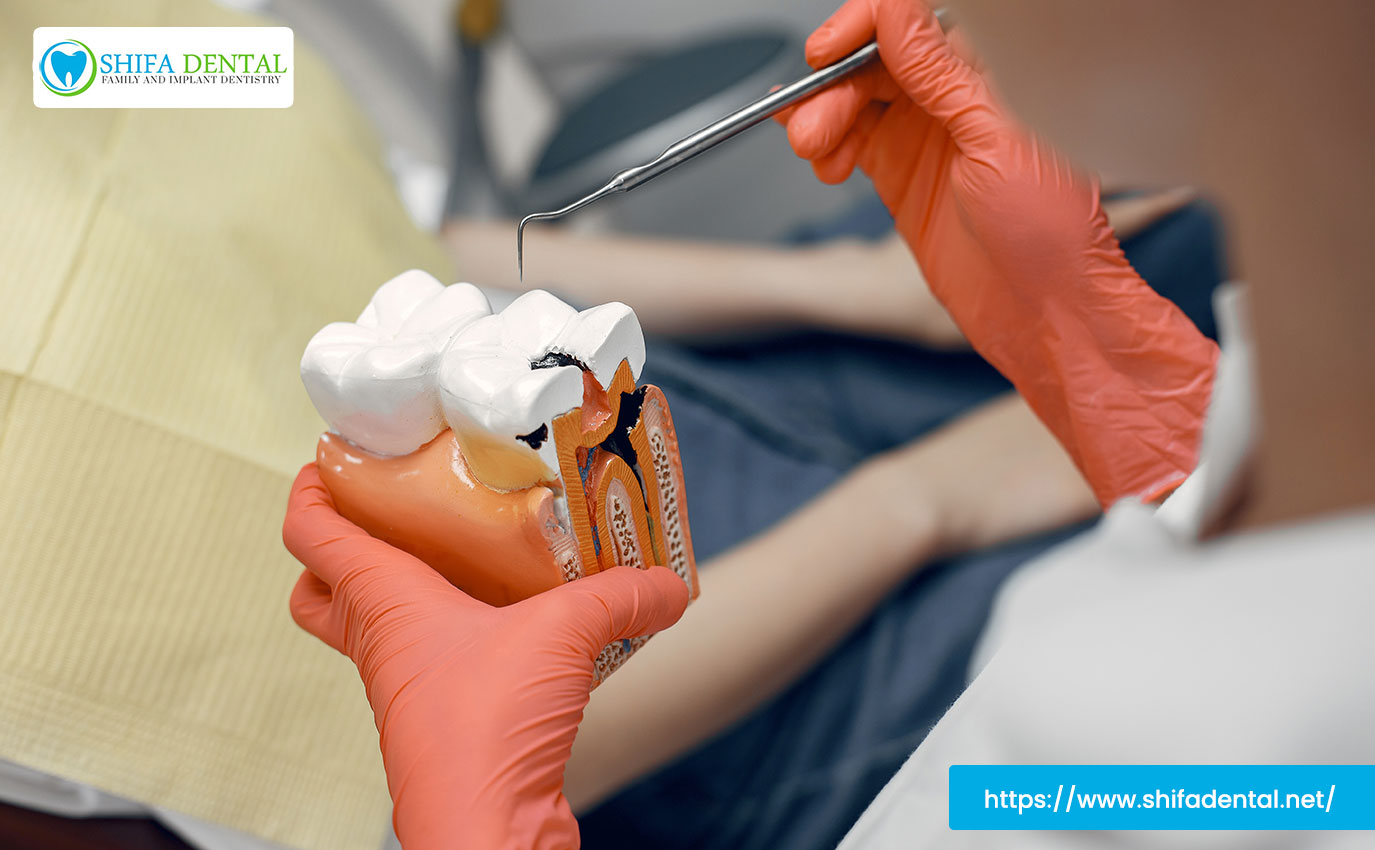
When the infection spreads into the pulp of the tooth, the surrounding tissue becomes inflamed. As this goes on, the body responds by creating pus around the gums.
The infection often begins as a small swollen bump near the tooth before the pain becomes worse.
Signs That the Infection May Be Inside the Tooth
Gum swelling is not necessarily due to gum disease. Occasionally, the issue begins inside the tooth itself.
If you experience any of the following symptoms, you might need root canal treatment:
- Pus near one specific tooth
- Severe tooth pain
- Sensitivity to hot or cold foods
- Swollen gums near the tooth
- Pain while biting
- Darkening of the tooth
- Persistent bad breath
- Facial swelling
Other patients have a throbbing pain which worsens at night. Some may see the pus draining from time to time and may observe the foul taste in the mouth. If the infection is not treated, it can penetrate the surrounding tissue and bone.
How Root Canal Therapy Helps Treat the Infection
Root canal therapy in garland. focuses on removing infected tissue from inside the tooth. Instead of removing the entire tooth, the dentist cleans the infected canals and seals the tooth to stop bacteria from returning.
This treatment helps in several ways.
Removes the Source of Infection
When bacteria remain trapped inside the tooth pulp, the infection continues spreading. Root canal treatment removes the infected tissue directly from the source.
Helps Reduce Pus Formation
Once the infection is cleaned out, the swelling around the gums usually begins improving. Over time, the pus drainage often stops completely.
Saves the Natural Tooth
One major reason dentists recommend root canal therapy is to avoid extraction whenever possible. Keeping the natural tooth usually helps maintain normal chewing and bite alignment.
Prevents Further Damage
Untreated infections can affect nearby teeth and jawbone tissue. Treating the infected tooth early helps reduce the risk of more serious complications.
What Happens During Root Canal Therapy?
When you hear the term ‘root canal,’ you may feel a bit nervous, but the procedure is not as painful as you might think.

The treatment usually includes:
- Examining the infected tooth
- Taking dental X-rays
- Numbing the area
- Removing infected pulp
- Cleaning the root canals
- Sealing the tooth
- Placing a filling or crown
The exact procedure will depend on the severity of the infection and the amount of damage to the tooth.
Most Plano dentists also provide detailed post-care directions to ensure that the tooth is properly healed after treatment.
When Dentists Choose Root Canal Therapy Over Tooth Extraction
In general, dentists will do everything possible to preserve the tooth. If the structure of the tooth is strong enough to hold up after the treatment, root canal therapy is often recommended.
The dentist might recommend root canal treatment if:
- The infection has not destroyed the tooth completely
- The surrounding bone remains stable
- The tooth can still support a crown
- The patient wants to preserve the natural tooth
Saving the tooth is usually preferred because extraction may later require bridges, implants, or other restorative procedures. In some cases, however, extraction may be the preferred treatment; particularly if the tooth is broken or the infection is too severe.
What Happens If the Infection Is Ignored?
Many people either try to ignore the pain or wait for the swelling to go away. Unfortunately, infections within the tooth generally don’t get better without treatment.
Waiting for treatment may result in:
- Severe tooth pain
- Increased swelling
- Bone loss near the tooth
- Spread of infection
- Fever
- Difficulty chewing
- Tooth loss
In some situations, the infection can spread beyond the mouth and affect overall health. Early treatment often makes the procedure simpler and helps protect the tooth before the damage becomes worse.
Why Many Plano Patients Trust Shifa Dental for Root Canal Therapy Plano
When dealing with pus in the gums and severe tooth infection, choosing the right dental clinic matters. If you are also searching for root canal therapy near me, we recommend checking out Shifa Dental.
Shifa Dental is a trusted choice for many Plano patients because of its patient-focused care and detailed treatment approach. The dental team carefully examines the infection, explains the condition clearly, and recommends treatment based on the health of the tooth and surrounding gums.
Patients also appreciate the clinic’s focus on comfort during root canal therapy, especially those who feel nervous about dental procedures. From diagnosis to follow-up care, the goal is to remove the infection properly while helping patients protect their long-term oral health.
Another reason many people choose Shifa Dental is consistency. Regular exams, early treatment, and preventive care help patients avoid severe dental infections and future complications.
Final Thoughts
If there is pus in the gums, it could be a sign of a tooth infection that has spread deeper into the tooth. Many times, root canal therapy is able to save the natural tooth and get rid of the infection.
Early treatment can alleviate pain, prevent the infection from spreading and increase the likelihood of a successful tooth-saving outcome for Plano patients. Delaying treatment can cause further damage and loss of teeth.
When a tooth is swollen, has pus around it, or is very painful, it is important to seek professional dental treatment as early as possible to ensure comfort and long-term oral health.
FAQs
Most patients feel little to no pain during the procedure because the area is numbed properly before treatment begins.
If the infection is inside the tooth pulp, the problem usually will not fully heal without proper dental treatment.
Many root canal procedures are completed in one or two visits depending on the condition of the tooth.
Many treated teeth need crowns to protect them from future damage, especially back teeth used for chewing.
Severe pain, swelling, pus, fever, or facial swelling are signs that the infection should be treated as soon as possible.
In many cases, yes. Root canal therapy can remove the infection inside the tooth and help save the natural tooth.