



Even something as simple as drinking a cup of tea or eating ice cream can cause tooth sensitivity. It typically occurs when the enamel thins or the gums recede, revealing the deeper structures of the tooth. There is no one set treatment for everyone. It depends on the cause of the problem, the intensity of the pain, and the duration of the pain.
Various treatment options have different mechanisms of action. During a dental oral exam, a dentist typically inspects the teeth and then recommends the best course of action.
Desensitizing Toothpaste for Daily Use
This is usually the first option suggested for mild sensitivity. It is not a quick fix, but it works gradually with regular use.
The toothpaste contains special compounds that block tiny pathways in the tooth that lead to nerve signals. When these pathways are blocked, outside triggers like cold drinks or sweet food cause less reaction.
It needs consistent use twice a day. Switching toothpaste frequently can slow results. It is often recommended for people whose sensitivity is still in early stages or not linked to major damage.
Fluoride Treatment at Dental Clinic
Fluoride treatment is stronger than what is found in regular toothpaste. It is used directly by a dentist on the surface of the tooth. The primary function is to reinforce lost enamel and help teeth withstand temperature fluctuations. Also, it helps to close small exposed areas of sensitivity.
This treatment is recommended when enamel loss is mild and does not yet require restorative procedures like bonding or fillings. Depending on the response of the teeth, some may require more than one session.
Dental Bonding for Exposed Areas
When sensitivity comes from worn enamel or visible root exposure, bonding is a common treatment. A tooth-colored material is placed over the affected area. This creates a protective covering that stops direct contact with hot, cold, or sweet substances.
Bonding is often chosen when sensitivity is linked to small visible damage rather than widespread enamel loss. It is a simple in-office procedure and usually does not require multiple visits. Once the bonding material hardens, the treated area is protected from direct exposure that triggers sensitivity.
Gum Treatment for Root Exposure
Sometimes gums pull away from the teeth, exposing the root surface. Roots are not covered with enamel as teeth are, and so they are sensitive to temperature and contact.
The treatment here is aimed at restoring the health of the gums. When buildup collects below the gum line, dentists often recommend deep cleaning to reduce irritation and improve gum health. This can make gums healthier and will help to prevent more gum recession.
For more severe cases, gum procedures may be recommended to recover exposed areas. Typically, this happens when recession occurs on several teeth or when there is significant discomfort. This is important because untreated gum disease can continue to progress and cause sensitivity to return.
Mouth Guard for Teeth Grinding
Sensitivity can be caused by grinding or clenching of teeth, particularly at night. This gradually erodes the enamel and puts pressure on the teeth. A custom mouth guard is designed specifically to fit the patient’s teeth and reduce grinding pressure during sleep. It decreases the amount of contact between the top and bottom teeth.
Although it does not reverse enamel loss, it helps prevent further damage caused by grinding and clenching. It will help to prevent further sensitivity and keep any current dental work intact over time. It is frequently prescribed for patients who experience pain in their jaw when waking up as well as sensitivity in their teeth.
Fillings or Repair for Cavities and Cracks
When sensitivity is caused by decay or small cracks, restoring the tooth structure is necessary. A filling closes the damaged area so that outside triggers cannot reach the inner tooth. If the crack is deeper, a stronger restoration may be needed to hold the tooth together.
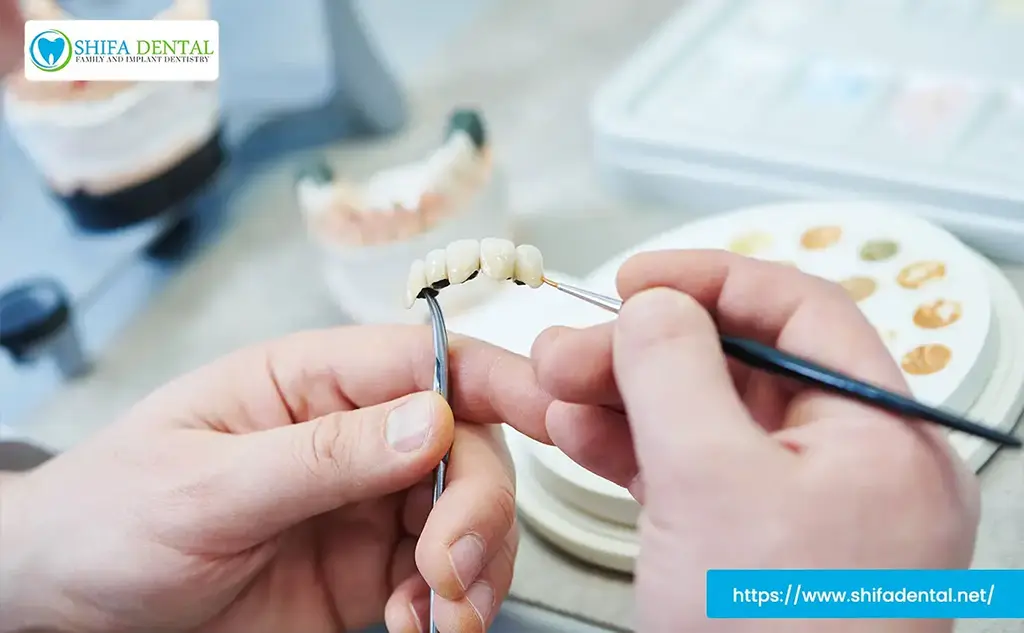
This option is more targeted because it treats the actual source of the problem rather than only reducing symptoms. Once the damaged area is sealed, sensitivity usually drops quickly.
Root Canal Treatment for Severe Cases
This treatment is used when sensitivity becomes constant and strong, often pointing to nerve involvement inside the tooth. During the procedure, the affected inner tissue is removed, and the inside of the tooth is cleaned and sealed. This stops the nerve from reacting to triggers.
It is usually recommended only when other treatments cannot control the pain or when infection is present. After healing, the tooth no longer responds to temperature or pressure in the same painful way.
Dental Sealants for Surface Protection
A sealant is a thin coating that is applied to the chewing surface of teeth. They can be used on molars, where they can form small grooves that can harbor bacteria and lead to sensitivity over time.
The sealant acts as a protective barrier over vulnerable tooth surfaces. It prevents food particles, cold fluids and bacteria from reaching deeper parts of the surface of the tooth. This helps reduce exposure to triggers that can worsen tooth sensitivity.
This is more likely to be used in early sensitivity where there is not significant damage to the enamel but protection is required.
Gum Grafting for Severe Gum Recession
When gums have moved back significantly, the exposed root area can become very sensitive. In such cases, a gum graft may be suggested.
In this procedure, healthy gum tissue is taken from another area of the mouth and placed over the exposed root. This covers the sensitive part and restores natural protection.
It is usually recommended when gum loss cannot be controlled with cleaning or basic gum therapy alone. Recovery takes some time, but it offers long-term coverage for exposed roots.
Choosing the Right Option with Dental Guidance
Each treatment works for a different cause. Some people only need toothpaste and fluoride support, while others may need bonding, gum care, or repair work.
A dentist usually checks enamel strength, gum position, and tooth structure before suggesting a plan. This dental oral examination is important because treating the wrong cause will not give lasting relief.
The best results usually come from matching the treatment with the exact source of sensitivity instead of using a general approach.
Why Shifa Dental is a Reliable Choice
The first step in treating tooth sensitivity at Shifa Dental is identifying its exact cause. This helps prevent recurring discomfort and allows the dentist to choose the most effective treatment from the beginning.
The clinic employs thorough examination techniques to assess enamel condition, gum health, and indications of decay or grinding. From this, a clear treatment plan is developed rather than a one-size-fits-all approach to treatment.

Patients are also provided with step-by-step instructions on what each treatment entails and how it relates to their condition. This will make it simpler to select from the choices available, such as fluoride care, bonding, gum treatment, or restorative work.
Another important part of treatment is follow-up care. Follow-up visits help determine whether sensitivity has improved or if treatment adjustments are needed. This is to ensure long term results instead of short term relief.
So, if you have been looking for an affordable dentist near me, Shifa Dental has got you covered.
FAQs
Fluoride application and dental bonding usually give quicker relief compared to toothpaste, depending on the cause.
Yes, many patients need a combination like toothpaste plus fluoride or gum care with a mouth guard.
Most treatments are simple and cause little to no discomfort. Even procedures like bonding or fluoride are generally quick.
A dental check is required because the cause can vary between enamel wear, gum issues, or decay.
Yes, if the cause is not fully controlled or if habits like grinding or harsh brushing continue.