


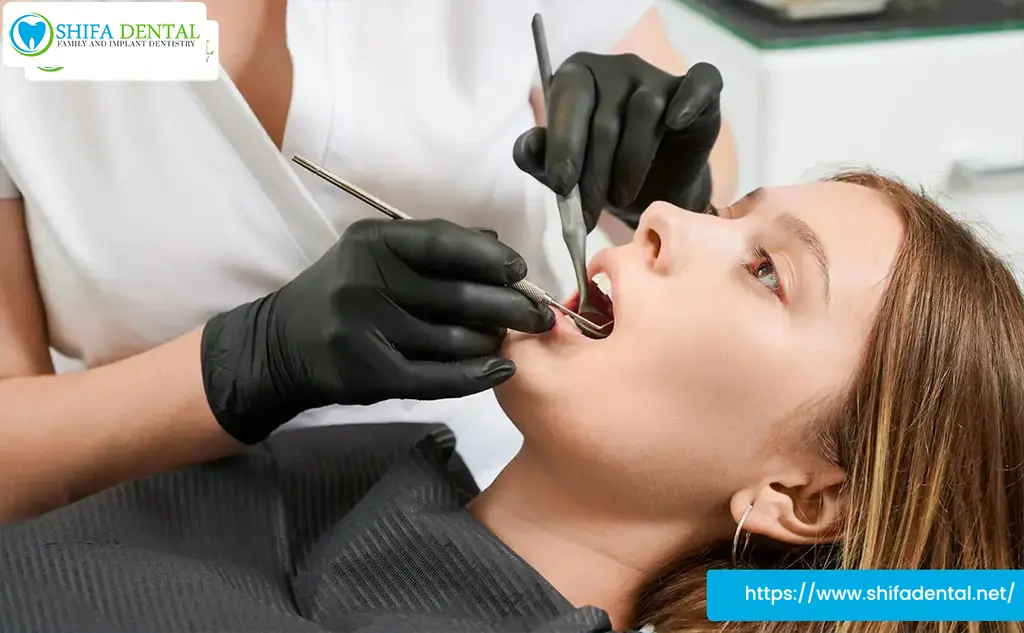
Getting a tooth removed is not something most people look forward to. Even though the procedure itself is handled carefully by your dentist, what you do after it matters just as much. The healing phase is where your body does the real work, and small mistakes during this time can slow things down or even cause pain later. The good news is that proper tooth extraction aftercare is simple if you know what to follow.
Why Does Tooth Extraction Aftercare Matter More Than You Think?
Once a tooth is removed, the area is left with a small wound. Your body quickly forms a blood clot in that space, which acts like a natural cover. This clot protects the bone and nerves underneath. If it gets disturbed, you may end up with a painful condition known as dry socket.
This is why aftercare is not just about comfort. It is about protecting that clot and giving your mouth the right conditions to heal. When you follow the right steps, swelling stays minimal, pain remains manageable, and recovery feels smoother overall.
The First 24 Hours Set the Tone
The first day after extraction is the most sensitive. What you do during these hours directly affects how fast you recover. Start by biting gently on the gauze your dentist provides. This helps stop the bleeding and allows the clot to form properly. Keep it in place for a few hours and replace it only if needed.
Rest is also important. Avoid any heavy activity, as it can increase blood flow and lead to more bleeding. Try to keep your head slightly elevated when lying down. It may feel like a small step, but it helps reduce pressure around the extraction site. You should also avoid touching the area with your fingers or tongue. It may feel tempting, but even slight pressure can disturb the healing process.
Managing Pain Without Overdoing It
A certain degree of pain is normal following a tooth extraction. Pain reliever medication will typically be prescribed by your dentist. Use it as recommended. The extra dose will not accelerate healing and can lead to undesirable side effects.

Cold compresses are also helpful. Applying an ice pack on the exterior of your cheek can decrease the swelling and numb the spot temporarily. Be soft and do not place ice on the skin.
The pain should start to subside by the second or third day. When it all of a sudden starts to worsen rather than improve, then this might be an indication that something is amiss and you need to call your dentist.
Eating the Right Way Helps Healing
Eating properly is also important in the recovery process, particularly in the initial few days. Your mouth is sensitive, so you should concentrate on soft and easy-to-eat foods. Good choices include mashed potatoes, yogurt, smoothies, scrambled eggs, and soups. They are soft on the region and do not need a lot of chewing. Ensure that the food is not hot but warm, as heat may cause irritation to the wound.
Meanwhile, do not eat anything crunchy, spicy or sticky. Foods such as chips, nuts, and candies may scratch the area or get lodged in the wound. This may cause irritation or even infection. Use of straw must also be avoided. The suction during drinking can loosen the clot of blood, and this is the last thing you want to do in the initial days.
Keeping Your Mouth Clean Without Causing Harm
Oral hygiene should continue, but with extra care. Brushing your teeth is fine, but you should stay away from the extraction site for the first day. After that, you can gently clean around the area without applying pressure.

Rinsing your mouth helps keep it clean, but timing is important. Avoid rinsing during the first 24 hours. After that, you can use a mild saltwater rinse a few times a day. It helps reduce bacteria and keeps the area fresh without being harsh. Do not use strong mouthwashes unless your dentist specifically suggests them. Some products contain alcohol, which can irritate the wound and delay healing.
What to Avoid During Recovery
Certain habits can interfere with healing more than you might expect. Smoking is one of them. It reduces blood flow and increases the risk of dry socket. Even a single cigarette during the early phase can cause problems. Alcohol should also be avoided, especially if you are taking medication. It can slow down the healing process and increase the chances of complications.
Chewing on the side of the extraction should be avoided as well. Even if it feels better after a day or two, the area still needs time to fully recover. Another thing to watch out for is excessive talking or jaw movement. It may sound minor, but keeping your mouth at rest helps reduce strain on the affected area.
Signs That Need Attention
While most recoveries go smoothly, it is important to know when something feels off. Persistent bleeding, severe pain after a few days, or swelling that keeps increasing are all signs that should not be ignored.
A bad taste in your mouth or an unpleasant smell can also indicate infection. If you notice any of these, reaching out to your dentist early can prevent things from getting worse. Healing is usually steady, so any sudden change is worth checking.
How Long Does Recovery Take
Most people start feeling better within a few days. The soft tissue around the extraction site usually heals within one to two weeks. However, deeper healing of the bone can take a bit longer.
This does not mean you will feel discomfort for weeks. It simply means your body is still working beneath the surface. Following aftercare instructions even when you feel fine helps ensure complete healing. Patience during this phase pays off. Rushing back to normal habits too soon can undo the progress your body has made.
How Shifa Dental Helps Patients During Recovery
When it comes to tooth extraction, the experience you have at the clinic also makes a difference. A place like Shifa Dental focuses not just on the procedure but also on what happens after. They guide patients with clear aftercare steps, making it easier to manage recovery at home. This kind of support helps reduce confusion and gives you confidence during the healing phase. From explaining what to eat to showing how to clean the area properly, having that level of care can make the whole process feel less stressful.
Wrapping It Up!
Tooth extraction aftercare is all about giving your mouth the right environment to heal. From protecting the blood clot to choosing the right foods, every step plays a part. When you follow these tips, recovery becomes smoother and far less uncomfortable.
If you’re planning a tooth extraction in Plano, getting proper aftercare guidance is just as important as the procedure itself. Shifa Dental ensures you’re supported at every step, so your recovery stays smooth and stress-free.
FAQs
Most people feel better in 2–3 days. The gum usually heals in 1–2 weeks, but full healing under the surface takes longer.
Stick to soft foods like yogurt, mashed potatoes, soup, and scrambled eggs. Avoid hard, crunchy, spicy, or very hot foods for a few days.
Yes, but avoid the extraction area for the first 24 hours. After that, brush gently around it without disturbing the wound.
Dry socket is pain caused when the blood clot is lost from the socket after a tooth extraction. Avoid smoking, using straws, and touching the area to prevent it.
Contact your dentist if you have strong pain after a few days, heavy bleeding, bad smell, or swelling that keeps getting worse.