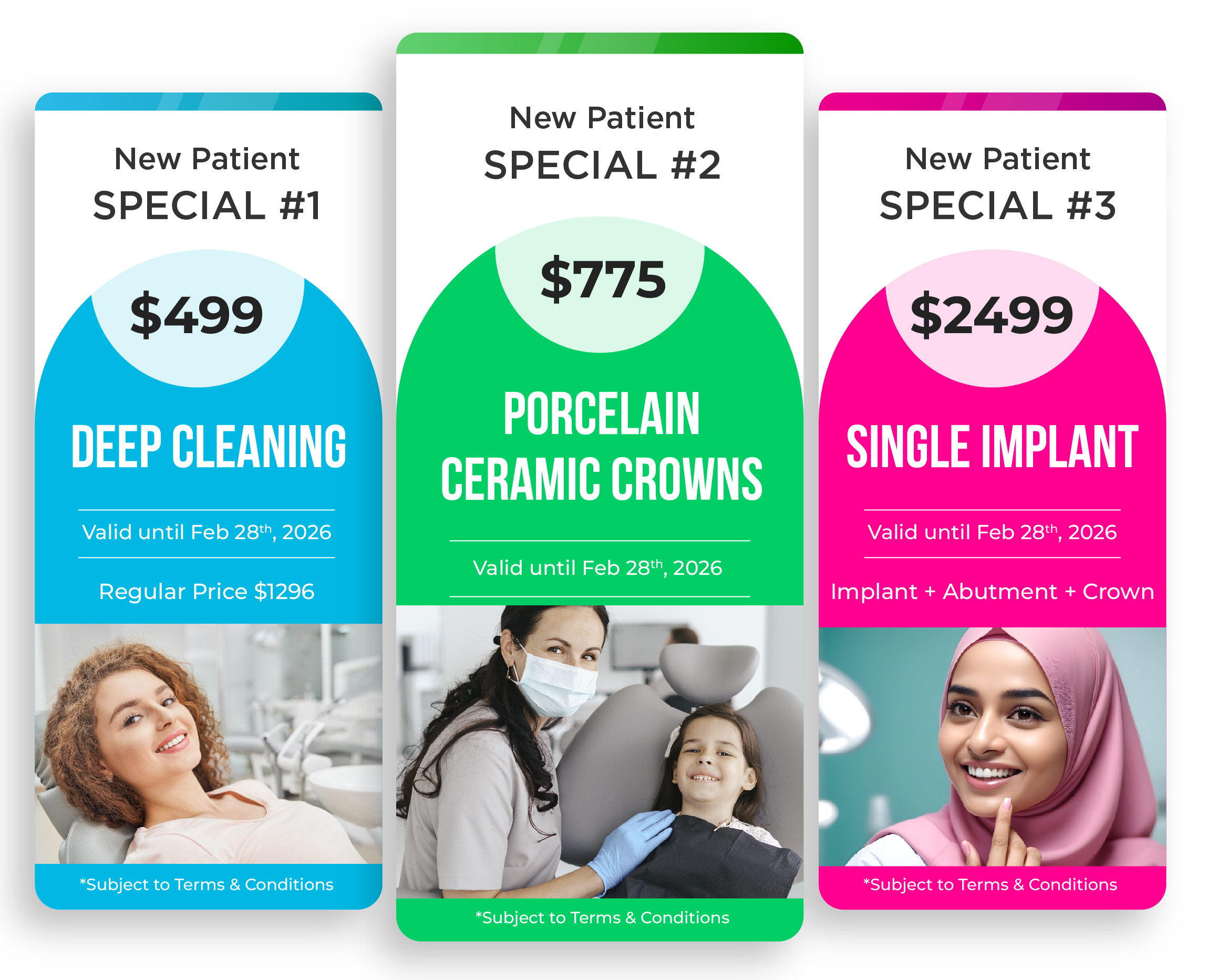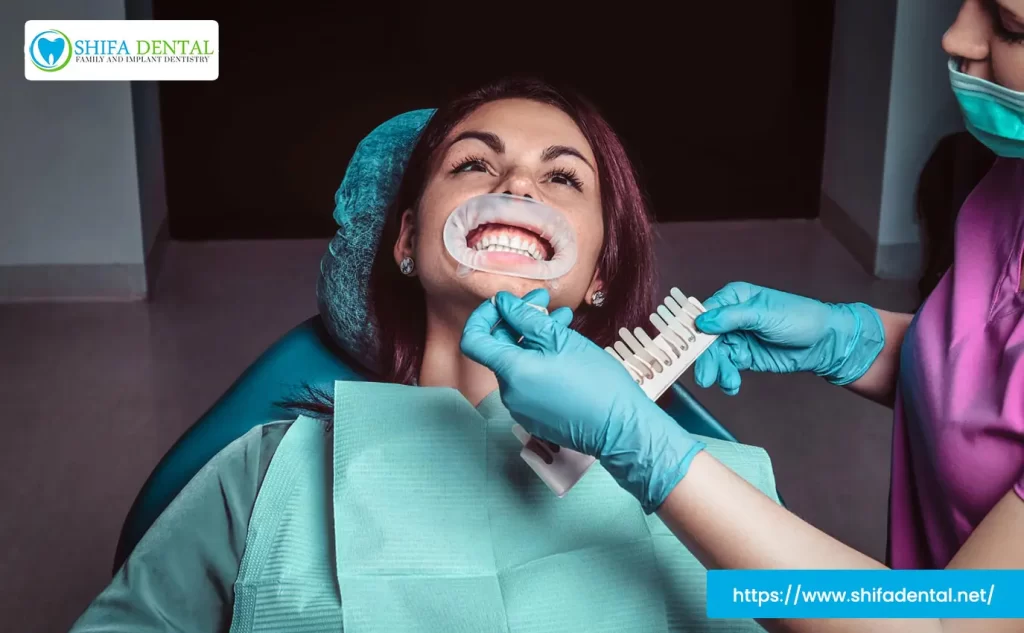



Maintaining optimal dental health requires more than daily brushing and flossing. If you are unsure about your oral health, you should consult a professional for a teeth cleaning in Plano, TX. The procedure is designed to remove tartar, plaque, and bacteria that cannot be eliminated with simple home care.
Shifa Dental provides advanced professional dental cleaning services that follow dental standards, ensuring both safety and effectiveness. Understanding the dental cleaning procedure can help patients feel more confident and prepared for their visit.
Dental treatment improves your smile and helps prevent cavities, gum disease, and other oral health complications. Patients can maintain long-term oral health and avoid costly restorative procedures of teeth cleaning in Plano, TX.
What is Professional Teeth Cleaning?
A professional cleaning is a routine dental checkup performed by a licensed dentist. The procedure is ideal for removing tartar and plaque buildup, especially in areas difficult to clean with regular brushing.
The teeth-cleaning in Plano, TX, is a core component of preventive dentistry. Dental cleaning helps to maintain healthy teeth and gums and reduces the risk of serious dental conditions.
Key Objectives of the Expert Teeth Cleaning Procedure:
- Remove hardened tartar and plaque
- Prevent tooth decay and gum disease
- Enhance overall oral hygiene
- Detect early dental issues
- Maintain a more polished and clean smile
Why Is Teeth Cleaning in Plano, TX, important?
Dental research shows that untreated plaque can lead to gum disease. If it is not treated properly, it can lead to periodontal disease. A routine teeth cleaning in Plano, TX, helps interrupt the process earlier, before it becomes severe.
The Shifa Dental team emphasizes more preventive care because it protects your overall health. Studies have linked gum disease to systemic conditions such as diabetes and heart disease, which makes regular cleaning procedures even more essential.
Benefits of Expert Dental Cleaning in Plano
- Prevents gum inflammation and bleeding
- Helps detect oral health issues early
- Lower cavities risk
- Enhance breath and oral freshness
- Increase the appearance of the teeth
Procedure for Professional Dental Cleaning
Shifa Dental follows a methodical, meticulous cleaning approach to guarantee more efficient cleaning. The three fundamental steps of affordable dental cleaning therapy are as follows:
1- Oral Examination
A thorough oral examination during which the dentist or hygienist looks for indications of gum disease, cavities, and other issues.
2- Scaling
The scaling involves using modern equipment to remove tartar and plaque. This is one of the most crucial components of a professional dental cleaning, since brushing is insufficient to eliminate hardened deposits.
3- Professional Guideline
Professional-grade toothpaste and a powerful brush are used to polish the teeth. In addition to smoothing the tooth’s surface, this process helps prevent future plaque accumulation.
Types of Teeth Cleaning in Plano, TX Treatments
Not all patients require the same type of cleaning. Your oral health will determine the kind of dental cleaning you require. There are multiple cleaning options to ensure personalized care for every patient.
Common Types of Cleanings
1- Routine Cleaning (Prophylaxis)
- Ideal for gum health
- Preventive care
2- Deep Cleaning (Scaling and Root Planing)
- Necessary for gum disease
- Cleans beneath the gum line
3- Periodontal Maintenance
- Continuous treatment for patients with gum disease
- More often scheduled
How Long Does a Dental Cleaning Take?
Your oral health and the sort of cleaning you need will determine how long a professional teeth cleaning takes. While extensive cleanings could take longer and necessitate several visits, routine cleanings are usually quick and effective.
Shifa Dental prioritizes patient comfort and efficiency, ensuring your appointment is completed with care and precision. You will experience to have more affordable dental cleaning solution with Shifa Dental.
Typical Time Estimates
- Routine cleaning: 30–60 minutes
- Deep cleaning: 1–2 hours
- Periodontal maintenance: 45–60 minutes
Does Teeth Cleaning Plano, TX Procedure is Painful?
Most individuals find dental cleanings painless. However, scaling may cause some discomfort for those with sensitive gums or significant tartar buildup. Shifa Dental uses gentle techniques and modern tools to ensure a comfortable experience. Local anesthesia may be used to minimize discomfort for more advanced procedures.
What Patients Typically Go Through?
- Scaling with a slight vibration
- Gum sensitivity
- Sensitivity for a short time after cleaning
- Overall little discomfort
How to Prepare for a Dental Cleaning?
A successful and seamless dental cleaning procedure can be ensured by being prepared. Although the process itself is simple, you can enhance your experience by following a few easy steps.
Before their appointment, patients are urged to practice proper dental hygiene and to discuss any concerns with their dentist.
Preparation Tips
- Brush and floss before your appointment
- Avoid heavy meals right before your visit
- Inform your dentist about any sensitivity
- Share your dental and medical history
- Arrive on time for your scheduled visit
Aftercare Tips for Better Results
To preserve the results of your professional dental cleaning and protect your oral health, proper aftercare is crucial. Shifa Dental offers individualized aftercare advice to maintain good oral health between appointments.
Post-Cleaning Care
- Avoid eating immediately after fluoride treatment
- Use fluoride toothpaste twice a day.
- Frequently floss
- Eat fewer acidic and sugary foods.
- Drink plenty of water.
- Schedule your next dental appointment.
How Frequently Do You Need Dental Cleaning?
The frequency of dental cleanings is determined by each person’s unique oral health requirements. Cleanings every 6 months are beneficial for most patients, but others may need more frequent appointments. Frequent dental checkups reduce the risk of developing major oral health problems and help prevent plaque buildup.
Recommended Frequency
- Every 6 months for healthy individuals
- Every 3–4 months for gum disease patients
- More frequent visits for high-risk individuals
Signs You Need a Dental Cleaning
Early detection of dental problems can help you get treatment before they get worse. Timely, professional teeth cleaning can save treatment costs and prevent complications.
Common Warning Signs
- Bleeding gums
- Persistent bad breath
- Yellow or stained teeth
- Gum swelling or tenderness
- Tooth sensitivity
- Visible tartar buildup
Why Choose Shifa Dental?
Maintaining long-term oral health requires selecting the appropriate dentist. Shifa Dental is dedicated to providing top-notch dental cleaning services with cutting-edge methods and a patient-centered philosophy.
Proffessional dentist staff focuses on preventive care to provide each patient with individualized care and efficient treatment.
What Sets Us Apart?
- Skilled and experienced dental professionals
- Advanced dental technology
- Gentle and comfortable procedures
- Affordable, transparent pricing
- Personalized treatment plans
- Strong focus on preventive dentistry
Professional Dental Cleaning Treatment
A professional teeth cleaning in Plano, TX, is the most effective way to maintain a confident smile and protect your oral health. Shifa Dental offers exceptional results by combining expertise, technology, and patient-focused care.
You can prevent more serious dental issues by scheduling regular dental cleaning appointments. reuce long-term costs, and explore a healthier smile for years to come. You can schedule your appointment at Shifa Dental and explore the best results.
FAQ
Examination, scaling, polishing, flossing, and occasionally fluoride therapy are all part of a dental cleaning.
Usually, a standard cleaning takes between 30 and 60 minutes.
Yes, it is important to have professional cleaning because brushing alone cannot remove tartar.
It is not a whitening procedure, but it does improve brightness and remove surface stains.
A cleaning should be scheduled every 6 months for most patients.