


Tooth discoloration is a common dental concern that affects people of all ages. Some changes in tooth color develop slowly over time, while others appear more suddenly due to injury, medications, or changes inside the tooth. Many people assume it only comes from poor brushing habits, but the causes are often more varied than expected.
Teeth can lose their natural brightness for several reasons. Food choices, smoking, aging, enamel wear, plaque buildup, and certain medical treatments can all affect tooth color in different ways. Some stains remain on the surface, while others form deeper within the tooth structure.
Extrinsic Tooth Discoloration
Extrinsic discoloration occurs on the outside of the tooth (enamel). This is the most prevalent type of staining and typically occurs when things are regularly touching the teeth.
These stains tend to accumulate gradually and become darker over time.
Common Causes of Extrinsic Discoloration
Dark-Colored Beverages
Pigments found in coffee, black tea, cola, and red wine can bind to enamel. This happens gradually over time, particularly if you drink the beverages over the course of the day.
One of the greatest sources can be tea, which is high in tannins that adhere readily to tooth enamel.
Tobacco Use
Nicotine and tar coating of the teeth occurs after a cigarette or chewing tobacco is smoked. These compounds result in a yellow or brown staining that darkens over time. The typical locations of tobacco stains are at the gum line and between teeth.
Strongly Pigmented Foods
Some foods have natural or artificial dyes that can cause enamel to become discolored. Common examples include:
- Curry
- Soy sauce
- Tomato-based sauces
- Berries
- Beetroot
The more frequently teeth are exposed to staining substances, the more likely discoloration becomes.
Poor Oral Hygiene
The accumulation of plaque can cause teeth to look dull or yellow. If plaque is not removed correctly, it becomes harder and forms tartar, which leads to dark discoloration that can’t be eliminated by brushing.
Chlorhexidine Mouthwash
Certain antibacterial mouthwashes may cause staining if used over long periods of time. This often manifests itself as a brown area on the surface of the tooth.
Intrinsic Tooth Discoloration
Intrinsic discoloration occurs within the tooth and not on the surface of the enamel. The color change is an internal change; this makes it more difficult to manage with normal whitening toothpaste or surface cleaning.
This type frequently involves the deeper dentin.
Common Causes of Intrinsic Discoloration
Tooth Injury
Damage to the inside of the tooth can occur due to a fall, sports injury, or strong impact. Following trauma, the tooth may become discolored over time due to internal bleeding or injury to the nerves.
Over time, the tooth turns gray or dark brown.
Certain Medications
A few medicines can be used to change the color of teeth while they are forming. One of the most common causes of intrinsic staining is tetracycline antibiotics.
If children are exposed to these medications early on, they can have permanent dark lines or uneven shading.
Excessive Fluoride Exposure
Fluoride is essential for cavity prevention, but excess fluoride in childhood can have an impact on enamel development. Dental fluorosis, or tooth staining, can cause:
- White patches
- Chalky marks
- Uneven enamel appearance
In severe cases, brown spots can be observed.
Internal Tooth Decay
If the decay progresses further into the tooth, the inner dentin can start to turn shades of color. This can cause a darker discoloration, which can be a sign of structural damage.
Age-Related Tooth Discoloration
Discoloration of the teeth with age is a result of external staining and internal enamel changes. Over time, enamel naturally wears down, making stains and discoloration more noticeable.
As people get older, they may experience changes in their teeth that seem to them to be
- More yellow
- Less bright
- Some edges are slightly darker
- Duller overall
This change is typically not rapid but involves a number of teeth, not just one.
How Different Types of Discoloration Appear
Tooth discoloration does not always look the same. The color often gives dentists clues about what may be causing the problem.
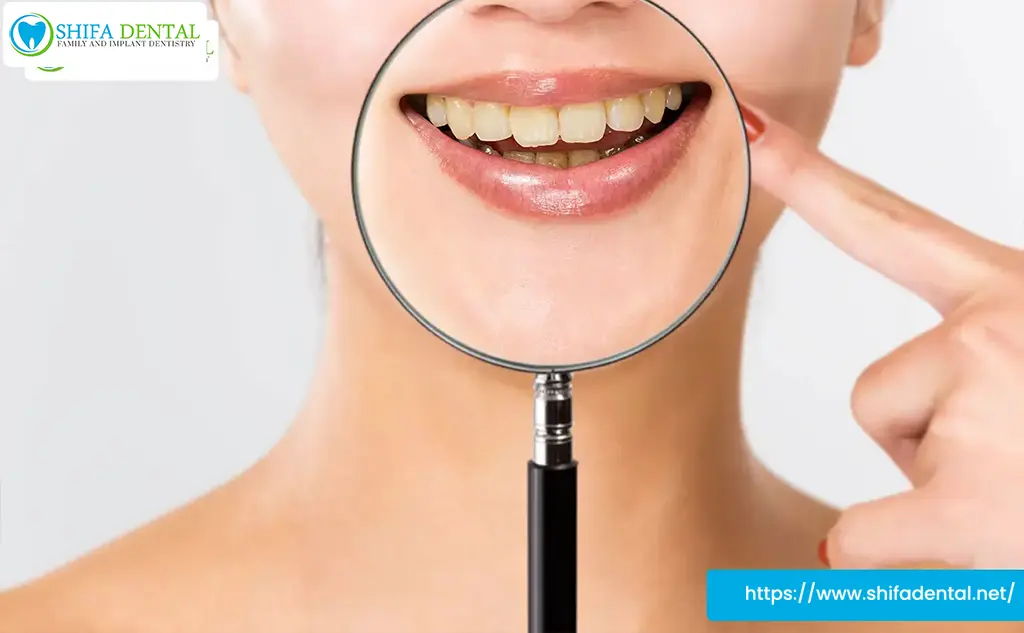
Yellow Discoloration
Yellowing is commonly linked with enamel thinning, plaque buildup, or surface stains from drinks and smoking.
Brown Discoloration
Brown stains often develop because of tartar accumulation, tobacco use, or long-term exposure to staining substances.
White Spots
White discoloration may appear because of fluorosis, weak enamel formation, or plaque buildup around braces.
Gray Discoloration
Gray teeth are often associated with trauma, nerve damage, or certain medications that affected tooth development.
Black Discoloration
Black areas may signal advanced tooth decay, damaged tooth tissue, or severe tartar buildup.
Why Some Teeth Discolor Faster Than Others
Tooth discoloration will not happen at the same rate for everyone. Others may develop staining at an earlier age, despite having good oral care practices.
There are several factors that influence the rate of discoloration.
Enamel Thickness
Those who have thinner enamel may experience darker teeth sooner because the dentin is more noticeable.
Saliva Production
Saliva helps to wash away food particles and stains from the mouth. There is a possibility of increased stain build-up as well due to a reduced flow of saliva.
Dietary Habits
Those who snack or drink colored beverages often all day long are putting their teeth in contact with the staining agents for longer.
Genetics
The color of natural teeth is not uniform and can be different for different people. In some people, the enamel is naturally whiter, while in others, it may be a little darker.
How Dentists Identify the Cause of Discoloration
Dentists do not rely only on the shade of the teeth when evaluating discoloration. Several details help determine the underlying cause.
During a dental oral examination, dentists may check:
- Whether one or multiple teeth are affected
- The location of staining
- Signs of decay or injury
- Existing dental restorations
- Medication history
- Enamel condition
In some cases, dental X-rays may also be recommended to evaluate internal tooth damage.
Why Patients in Plano Choose Shifa Dental
Tooth discoloration can have many different causes, which is why proper diagnosis plays an important role in dental care. Shifa Dental focuses on understanding the reason behind tooth color changes before discussing treatment options.
Their dental team carefully evaluates enamel condition, oral hygiene habits, previous dental work, and possible internal tooth concerns during the examination process.
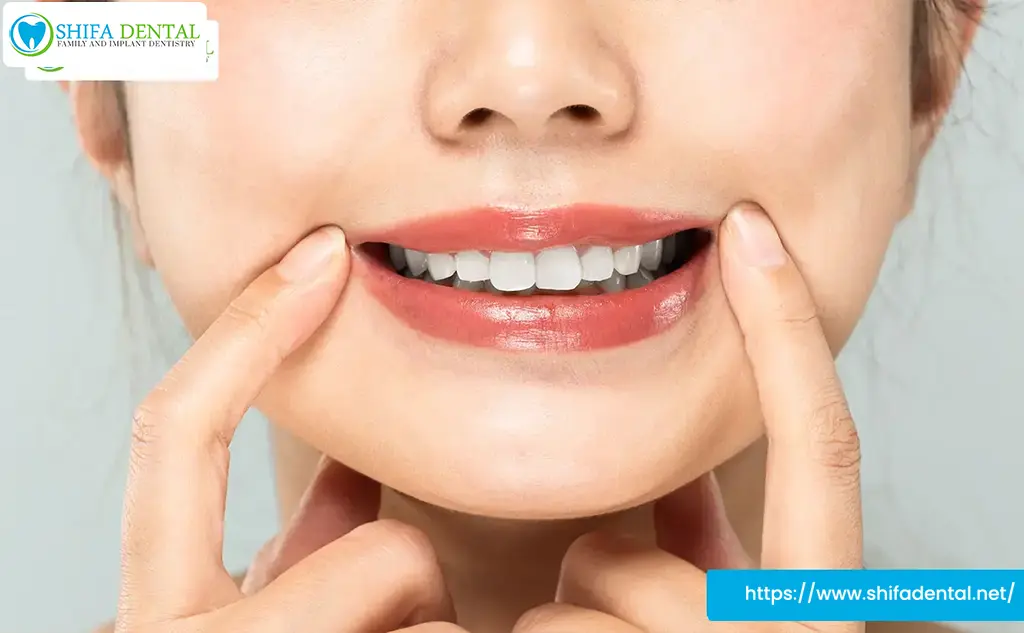
Patients trust Shifa Dental because of their patient-focused approach and attention to detail. The clinic combines modern dental technology with clear communication, helping individuals understand their dental condition comfortably and confidently.
This is the main reason why many people searching for an affordable dentist near me in Plano TX visit Shifa Dental for tooth discoloration evaluation.
FAQs
Yes. Aging, medications, enamel thinning, and genetics may all affect tooth color even when teeth are otherwise healthy.
A single dark tooth may indicate trauma, nerve damage, or internal tooth problems that should be evaluated by a dentist.
Some white spots can improve with dental care, while others may be linked with enamel development changes that require cosmetic treatment.
Yes. Certain antibiotics taken during childhood may cause long-lasting intrinsic discoloration.
No. Aggressive brushing may damage enamel and make discoloration more noticeable over time.