
Replacing Missing Teeth
Permanent Tooth Replacement
Replacing missing teeth is essential for both oral function and overall health. Modern tooth replacement solutions offer reliable, long-lasting results that restore your smile, chewing ability, and confidence.
At Shifa Dental, every treatment is carefully planned using advanced 3D imaging to ensure precise placement and long-term, natural-looking outcomes.
This page explains how modern tooth replacement works, what makes it successful long-term, and factors influencing treatment planning.
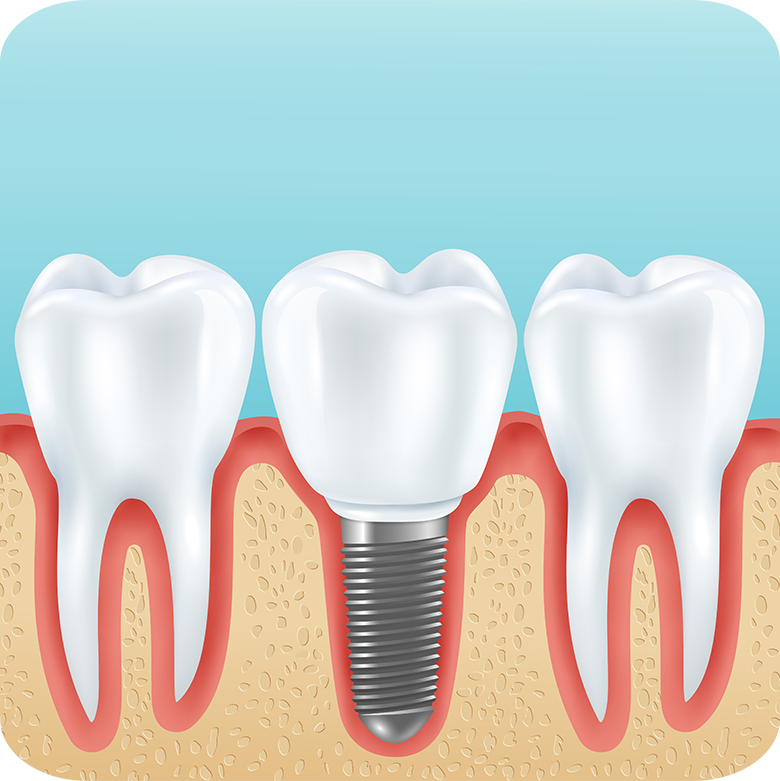
What Are Tooth Replacement Options?
Replacing missing teeth can involve a variety of solutions, including dental implants, bridges, and implant-supported dentures. These treatments restore both the visible tooth and, when applicable, the supporting root structure.
At Shifa Dental, we provide personalized tooth replacement options that are carefully planned to create a strong, stable foundation and a natural-looking smile.
Unlike leaving gaps or relying solely on removable dentures:
- Replacements do not slip or move
- Do not rely on neighboring teeth for support (implants/supported bridges)
- Help prevent jawbone deterioration
- Provide long-term strength and stability
By restoring missing teeth properly, we help preserve jawbone health and maintain facial structure.
Advanced Technology for Precise Tooth Replacement
Why Patients Trust Shifa Dental for Tooth Replacement
Advanced Dentistry with a Human Touch
Successful tooth replacement depends on precision, planning, and long-term stability. At Shifa Dental, every case is digitally evaluated and carefully planned using CBCT imaging and evidence-based protocols.
Patients choose us because we prioritize:
- Digitally guided placement and planning
- Focus on bone preservation and functional load distribution
- Strict sterilization and infection-control standards
- Conservative, diagnosis-driven treatment
- Transparent cost discussions and realistic expectations
Our goal is not simply to replace teeth — it is to provide predictable, long-term solutions that protect oral function and structural integrity.
Shifa Dental
Types of Tooth Replacement We Offer
The Tooth Replacement Process: Step-by-Step
Comprehensive Consultation
A detailed oral exam, digital X-rays, and CBCT imaging assess bone density, gum health, and overall oral condition.
Personalized Treatment Planning
Procedures such as bone grafting may be recommended to ensure long-term success.
Placement of Implants, Bridges, or Dentures
Implants or prosthetic supports are placed under local anesthesia. Most patients experience minimal discomfort.
Healing & Integration
Implants bond naturally with the jawbone, or dentures/bridges are adjusted for optimal stability.
Abutment & Final Restoration
Custom-designed crowns, bridges, or dentures are attached to restore natural function, appearance, and smile aesthetics.
Benefits of Replacing Missing Teeth
Who Is a Candidate for Tooth Replacement?
You may qualify if you:
- Are in good overall health
- Have healthy gums
- Have sufficient jawbone density (or qualify for bone grafting)
- Do not smoke (or are willing to quit)
- Practice good oral hygiene
Even patients with previous bone loss may be candidates with advanced planning and bone augmentation.
Aftercare for Long-Term Success
To maximize longevity:
- Brush twice daily with a soft-bristle toothbrush
- Floss daily
- Use antibacterial mouthwash if recommended
- Visit your dentist every six months
- Avoid smoking
Proper care allows tooth replacements to last decades.

Safety & Success Rate
Modern tooth replacement solutions have a success rate of over 95% when performed by trained professionals using advanced diagnostics.
Potential risks include:
- Infection
- Delayed healing
- Implant or prosthetic failure
- Rare nerve irritation (with proper planning, extremely uncommon)
Advanced digital imaging and precise planning significantly reduce risks. Long-term success depends on proper case selection, planning, and patient compliance.
When Bone Grafting May Be Necessary
Patients previously told they were not candidates may still qualify with proper bone augmentation and planning.
CBCT imaging helps assess bone quality, determine grafting needs, and ensure long-term stability of the replacement teeth.
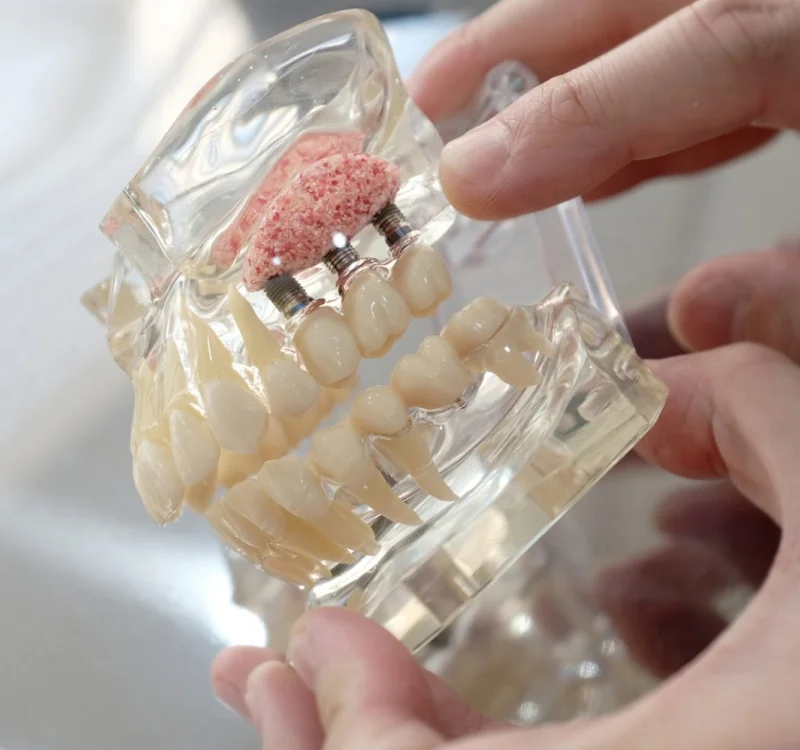
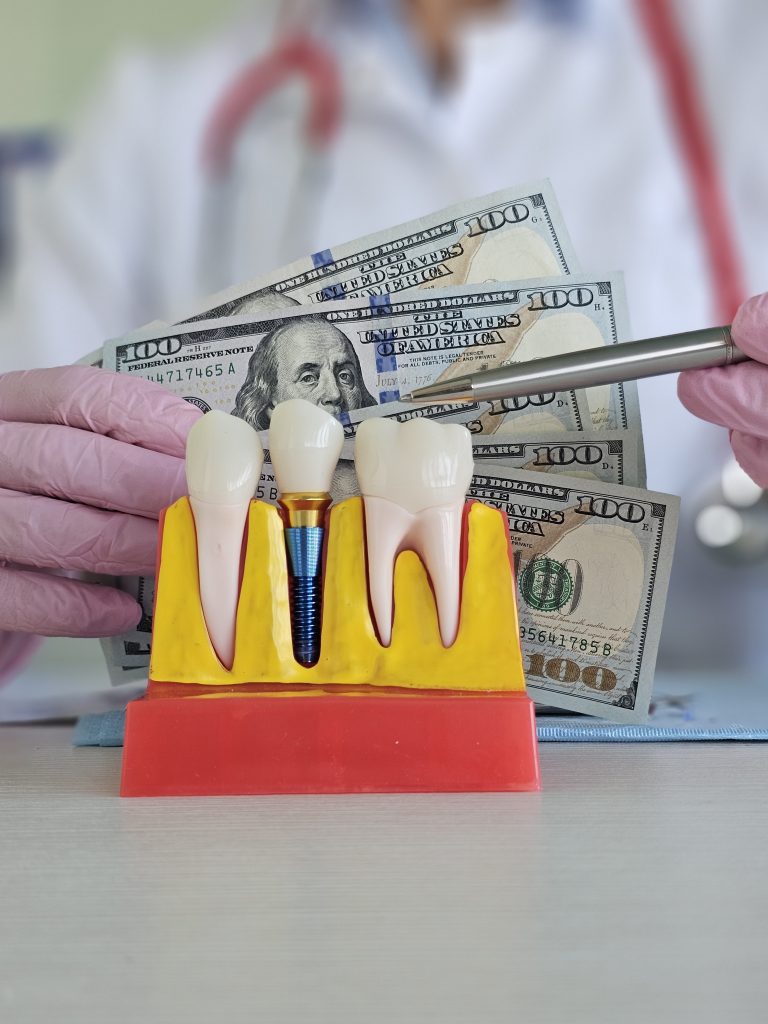
Tooth Replacement Cost & Long-Term Value
While tooth replacement may have a higher initial cost than removable solutions, its durability, preservation of jawbone, and protection of adjacent teeth make it cost-effective long-term.
Cost factors include:
- Number of teeth being replaced
- Need for bone grafting
- Type of final restoration (crown, bridge, denture, full arch)
A personalized consultation is required for an accurate estimate.

Frequently Asked Questions
Schedule Your Tooth Replacement Consultation
If you are missing one or more teeth, schedule your consultation today to determine whether a permanent, stable solution is right for you.
Tooth Replacement Treatment at Our Locations
Dental replacement services are available at both our Plano and Garland offices.