
Endodontic Treatment
Root Canal Therapy for Tooth Preservation
Endodontic treatment is a highly effective and reliable procedure used to save infected or severely damaged teeth while relieving pain and restoring function.
At Shifa Dental, every root canal treatment is carefully planned using advanced diagnostic imaging to ensure precise cleaning, shaping, and sealing of the affected tooth.
This page explains how endodontic treatment works, what makes it successful long-term, and what factors influence treatment planning.
What Is Endodontic Treatment?
Endodontic treatment, commonly known as a root canal, is a procedure used to treat infection or inflammation inside the tooth.
Inside every tooth is a soft tissue called pulp, which contains nerves and blood vessels. When this pulp becomes infected due to decay, cracks, or trauma, it can cause severe pain and swelling.
During the procedure, the infected pulp is carefully removed, the inner canals are cleaned and disinfected, and the space is sealed to prevent reinfection.
Once healed, a custom crown is usually placed to restore strength and function, allowing the tooth to look and feel natural.
Unlike extraction, endodontic treatment allows you to preserve your natural tooth and avoid replacement options.
Advanced Technology for Precise Treatment
Why Patients Trust Shifa Dental for Endodontic Treatment
Advanced Dentistry with a Human Touch
Successful root canal treatment requires precision, proper diagnosis, and careful execution. At Shifa Dental, every case is evaluated with a focus on long-term tooth preservation.
Patients choose us because we prioritize:
- Accurate diagnosis using digital imaging
- Gentle and patient-focused care
- Strict sterilization and infection control
- Conservative treatment planning
- Transparent communication and expectations
Our goal is not just to relieve pain—but to preserve your natural tooth and maintain long-term oral health.
Shifa Dental
Types of Endodontic Treatments We Offer
The Endodontic Treatment Process: Step-by-Step
Comprehensive Consultation
We perform a detailed examination, including digital X-rays, to assess infection and tooth condition.
Personalized Treatment Planning
A customized plan is created based on the severity of infection and tooth structure.
Root Canal Procedure
Under local anesthesia, the infected pulp is removed, and canals are cleaned and shaped.
Cleaning & Sealing
The canals are disinfected and sealed with a biocompatible material to prevent reinfection.
Crown Placement
A custom crown is placed to restore strength, function, and appearance.
Benefits of Endodontic Treatment
Endodontic treatment offers both functional and health benefits:
Who Is a Candidate for Endodontic Treatment?
You may need root canal therapy if you experience:
- Persistent tooth pain
- Sensitivity to hot or cold
- Swollen or tender gums
- Darkening of the tooth
- Pimple-like swelling on gums
Early diagnosis improves treatment success and prevents complications.
Aftercare for Long-Term Success
To ensure long-term success after treatment:
- Avoid chewing on the treated tooth until fully restored
- Maintain good oral hygiene
- Brush and floss daily
- Attend regular dental check-ups
- Follow your dentist’s instructions carefully
With proper care, a treated tooth can last a lifetime.

Safety & Success Rate
Endodontic treatment has a very high success rate when performed with modern techniques and proper planning.
While complications are uncommon, potential risks include:
- Reinfection
- Incomplete healing
- Tooth fracture (if not restored with a crown)
Advanced diagnostics and precise treatment significantly reduce these risks.
When Additional Treatment May Be Necessary
In some cases, additional procedures may be required:
- Re-treatment for failed root canals
- Surgical intervention (apicoectomy)
- Crown placement for structural support
Early intervention and proper planning help ensure long-term success.
Endodontic Treatment Cost & Long-Term Value
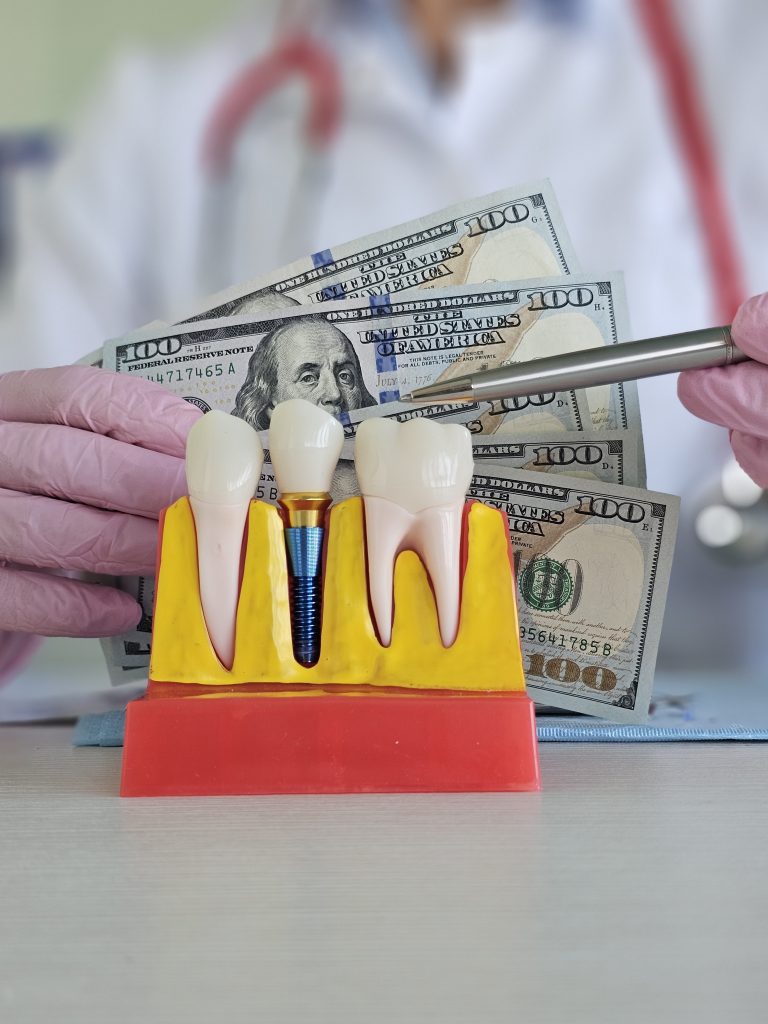
Root canal treatment is a cost-effective way to save your natural tooth and avoid more expensive procedures like implants or bridges.
Treatment cost varies based on:
- Tooth location (front vs molar)
- Complexity of canals
- Need for crown placement
- Severity of infection
A consultation is required for accurate diagnosis and cost estimation.

Frequently Asked Questions
Schedule Your Endodontic Consultation
If you are experiencing tooth pain or signs of infection, schedule your consultation today to protect and preserve your natural tooth.
Endodontic Treatment at Our Locations
Endodontic services are available at both of our offices.