
Dental X-Rays
Advanced Dental Imagingfor Accurate Diagnosis
What Are Dental X-Rays?
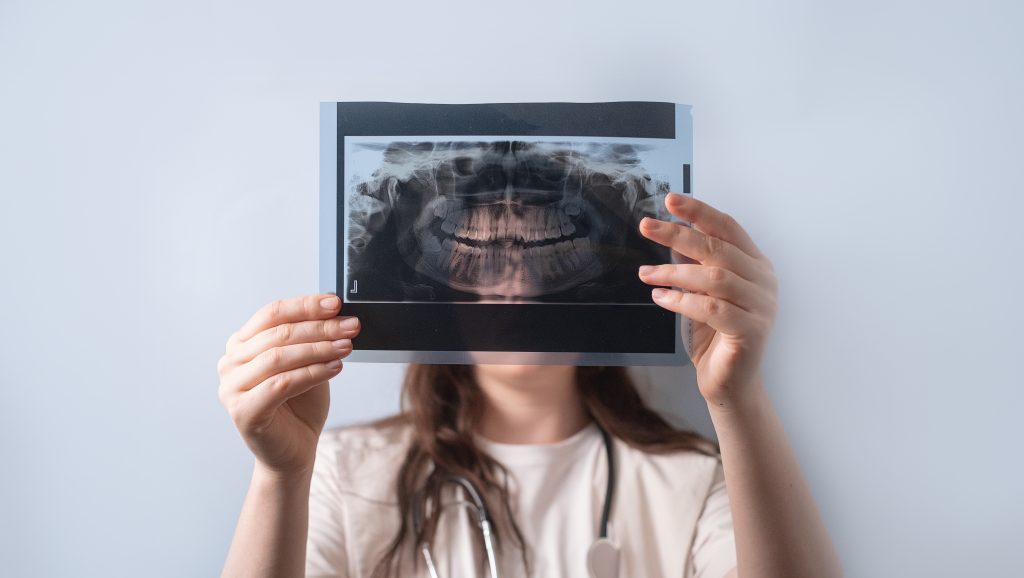
Dental X-rays are imaging techniques used to capture detailed pictures of your teeth, roots, jawbone, and surrounding structures. These images allow dentists to identify hidden problems that cannot be detected during a standard dental examination.
Dental X-rays help diagnose conditions such as cavities between teeth, infections near tooth roots, bone loss from gum disease, and impacted or developing teeth.
Modern digital dental X-rays use significantly lower radiation than traditional film X-rays and produce clearer images for accurate evaluation.
Unlike visual exams alone, dental X-rays allow dentists to see beneath the surface of the teeth and gums, enabling earlier detection and better treatment planning.
Advanced Technology for Precise Dental Imaging
Why Patients Trust Shifa Dental for Dental Imaging
Advanced Dentistry with a Human Touch
Accurate diagnosis is the foundation of effective dental treatment. At Shifa Dental, every diagnostic evaluation is supported by modern imaging technology and careful clinical assessment.
Patients choose us because we prioritize:
- Digitally enhanced diagnostic imaging
- Early detection of dental conditions
- Careful evaluation of bone and tooth structure
- Evidence-based treatment recommendations
- Clear communication and transparent care
Our goal is to identify dental problems early and provide precise, effective solutions that protect long-term oral health.
Shifa Dental
Types of Dental X-Rays We Offer
Each imaging method helps dentists diagnose conditions that may otherwise remain hidden.
The Dental X-Ray Process: Step-by-Step
Initial Examination
Your dentist evaluates your oral health and determines which type of dental imaging is required.
Image Capture
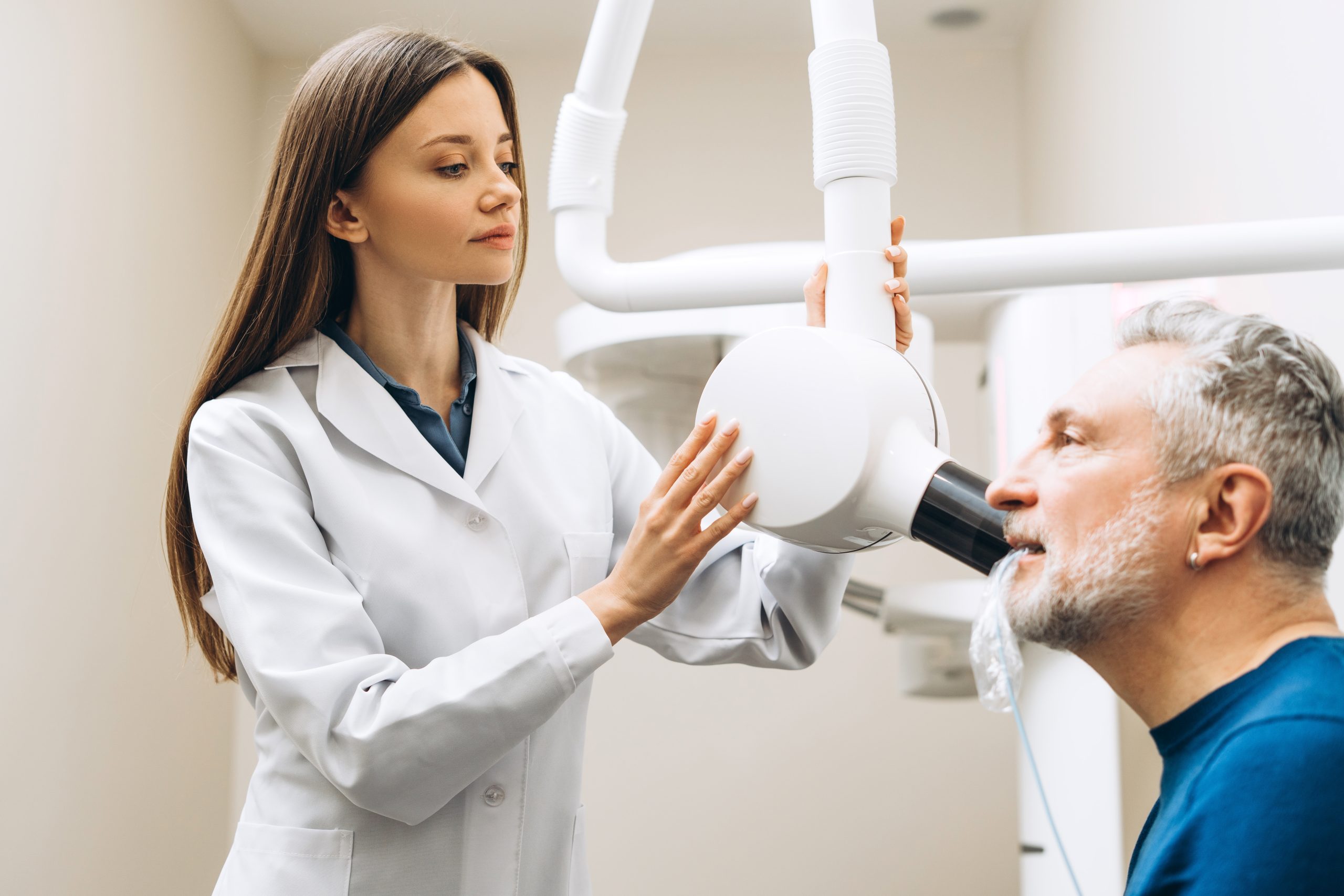
A small digital sensor is placed inside the mouth while the X-ray machine captures detailed images of your teeth and jaw.
Digital Image Review
Images appear instantly on the computer screen, allowing the dentist to carefully evaluate your dental structures.
Diagnosis & Treatment Planning
Based on the findings, the dentist discusses any concerns and recommends appropriate treatment if needed.
The entire process is quick, comfortable, and usually completed within minutes.
Benefits of Dental X-Rays
Dental X-rays provide several important advantages for maintaining oral health:
Because dental X-rays reveal issues early, they help prevent more complex and costly dental problems in the future.
When Dental X-Rays Are Recommended
Who May Need Dental X-Rays?
Dental X-rays may be recommended for patients who:
- Experience tooth pain or sensitivity
- Show signs of gum disease
- Are planning dental implants or orthodontic treatment
- Are new patients requiring a full dental evaluation
- Have a history of cavities or dental problems
Your dentist will determine the appropriate imaging schedule based on your individual oral health needs.

Safety & Radiation Exposure
Modern digital dental X-rays are extremely safe and use very low levels of radiation.
Compared to traditional film X-rays, digital imaging reduces radiation exposure significantly while providing clearer images.
Protective measures such as lead aprons and careful imaging protocols further enhance patient safety.
Dental X-rays are widely considered a safe and essential part of preventive dental care.
How Often Are Dental X-Rays Needed?
The frequency of dental X-rays depends on several factors including:
- Your dental history
- Risk of tooth decay
- Presence of gum disease
- Age and stage of dental development
Most patients require dental X-rays every 12–24 months, although your dentist may recommend them more or less frequently based on your oral health condition.


Frequently Asked Questions
Schedule Your Dental X-Ray Appointment
If you want a comprehensive evaluation of your oral health, schedule your dental X-ray appointment today.
Accurate diagnosis begins with clear imaging.
Dental X-Ray Services at Our Locations
Dental imaging and diagnostic services are available at both of our offices. Our teams in Plano and Garland use the same advanced digital technology to provide accurate, safe, and efficient dental evaluations.