

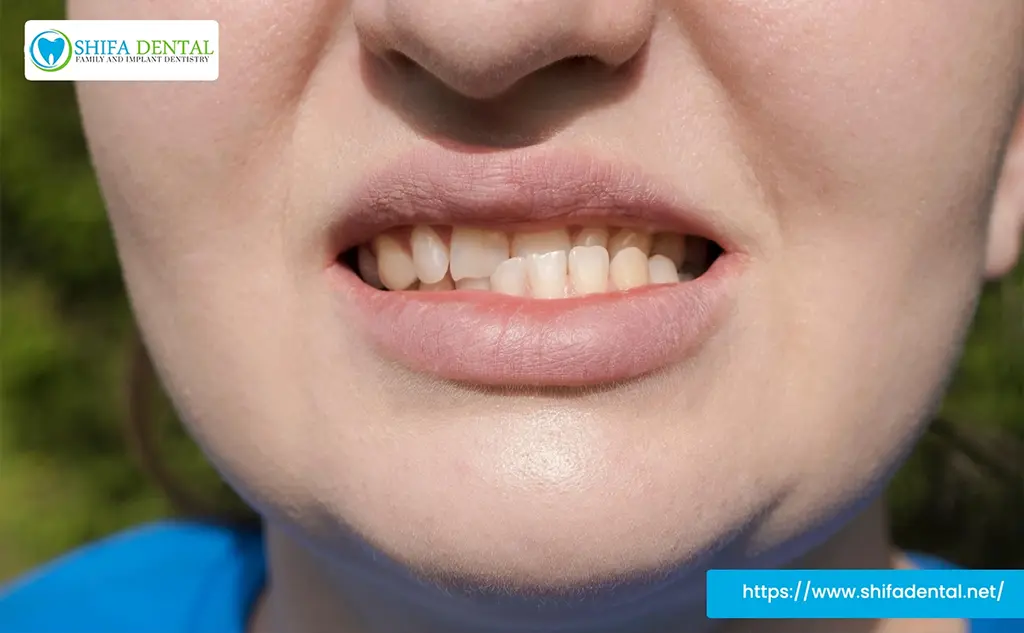
An underbite is a dental problem in which the lower teeth are in front of the upper teeth. This may impact chewing and speaking over time. Many also experience changes in facial balance and bite comfort. Luckily, there are straightforward solutions for this with modern dental care. A popular method is braces or Invisalign treatment, which is a step-by-step method of aligning teeth.
In cities like Plano and Garland, patients often look for steady and long-term solutions that fit different age groups and case types. Some cases are mild, while others need more structured correction. Either way, treatment planning is simple when guided by an orthodontic expert.
What Causes an Underbite
There are several possible causes of an underbite. It is inherited in some families. In others, it is due to unbalanced growth of the jaws. Long-term oral breathing or thumb sucking in childhood can also be a factor. If not treated, it can cause abnormal wear of the teeth or jaw pain.
This is where orthodontic treatment comes in. It assists in controlling the movement of teeth and jaw position instead of allowing the problem to develop over time.
How Treatment Works in Daily Practice
The initial stage of braces and invisalign treatment is a complete dental examination. The position of the bite and the alignment of the jaws is examined by x-rays and scans. Then, a plan is developed, depending on the complexity of the underbite.
Aligners can be recommended for mild to moderate cases. Fixed braces are usually recommended for more complicated situations. The purpose of braces and invisalign treatment is to balance the upper and lower teeth, allowing for natural chewing and speaking.
During braces or invisalign treatment, patients will come to the clinic regularly to maintain progress. There are small adjustments throughout the process to move teeth to more ideal positions.
Braces Approach for Underbite Correction
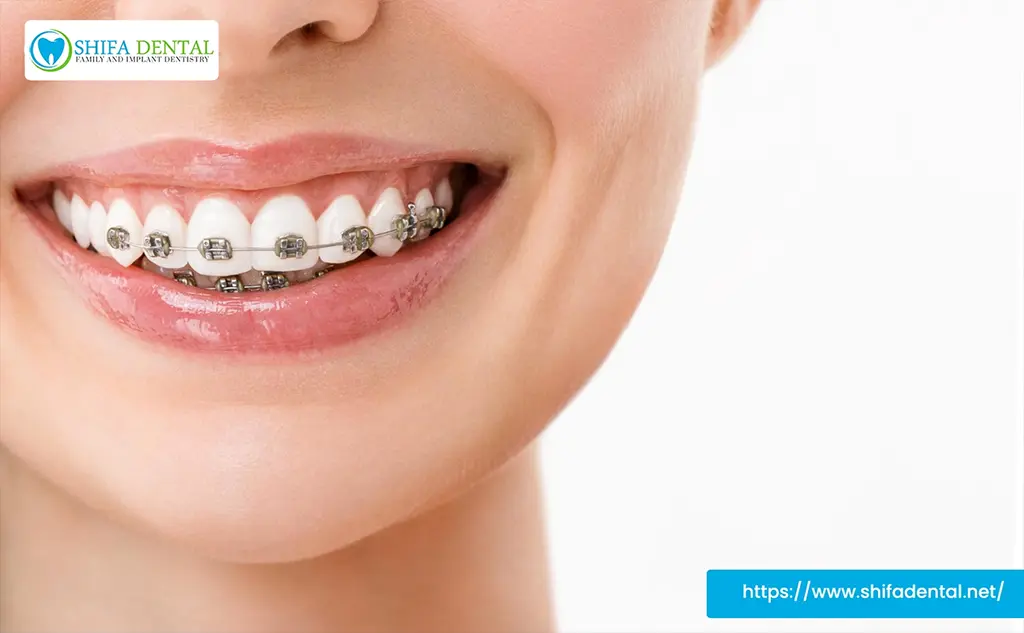
Braces are one of the most effective methods for correcting an underbite. It features brackets and wires that provide consistent forces to the teeth. This pressure over time will help to straighten out teeth.
However, traditional braces are employed in many instances when movement must be controlled precisely. These do not need to be removed and are fixed permanently. The braces treatment process can seem slow at first, but it will yield great results, particularly for deeper bite problems.
Another consideration is that braces therapy is not reliant on a patient’s discipline like removable braces are. They work continuously once they are placed. This makes them a good option for regular correction.
Invisalign Approach for Bite Correction
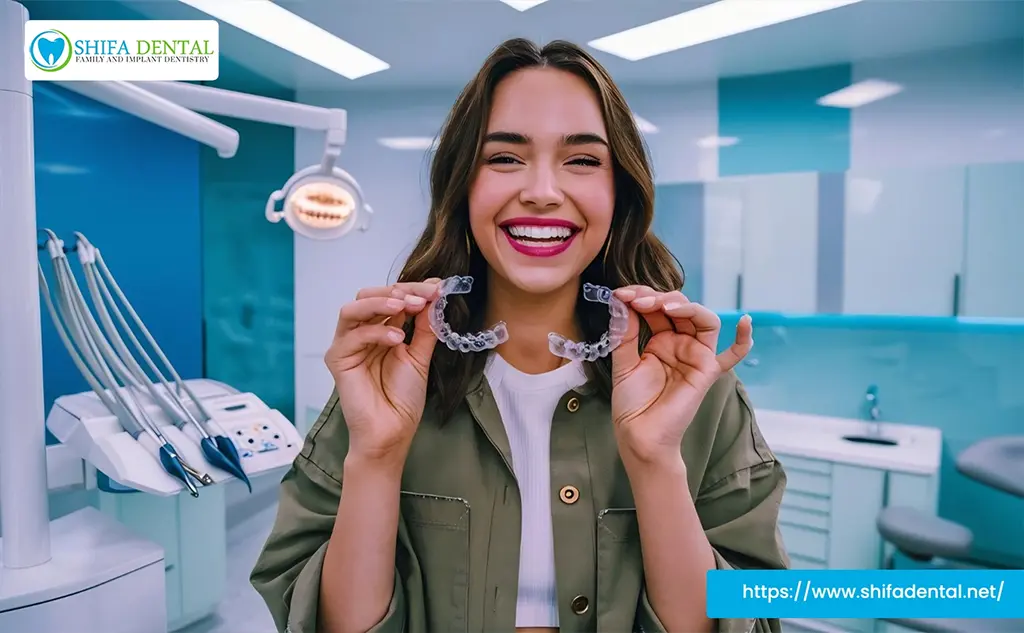
The second option is invisalign treatment, which uses clear trays instead of metal parts. These trays are made on a custom basis and are replaced every couple of weeks to slowly guide the teeth.
This technique is also referred to as “invisible braces” as they are not as visible during the day. This is a popular choice for work or school. The invisalign treatment process requires the trays to be worn for the majority of the day, just removing them for meals and brushing.
Invisalign clear aligners are one part of this system, which are smooth and comfortable. Clear aligners treatment is effective in mild cases without fixed wires.
The most significant advantage of invisalign treatment is flexibility, but it still needs discipline to wear them regularly in order to get the desired results.
Braces vs Invisalign Comparison
Both braces and invisalign treatments have the same goal – to improve the bite alignment and function. The difference is primarily in how they function and appear.
Braces remain in place, whereas invisalign can be taken out. This is because braces don’t need to be taken out, which means they continue to provide effective alignment, while aligners rely on the user’s habits.
One difference between braces and Invisalign is comfort. Aligners typically feel smoother and won’t irritate your gums, whereas braces might initially cause some irritation. However, either of these can be successful orthodontic treatments if they are properly planned.
The choice between braces and invisalign is a matter of personal preference for many patients, as it depends on their lifestyle, the severity of their bite, and their daily habits. An exam from a professional will make this decision easier.
Role of Orthodontic Care in Long-Term Results
With proper orthodontic treatment, more than just teeth are moved. It also helps to balance the bite force and enhance the closing of the jaw. It can even decrease strain when chewing in some cases.
Orthodontic treatment involves both braces and invisalign treatment options, and both treatments involve a step-by-step process. The primary objective is not just alignment, but stability as well.
Patients often find daily activities more comfortable with braces and invisalign treatment, as they are able to eat and speak without any problems. A well-balanced bite can also help prevent teeth from wearing unevenly.
Cost and Planning in Plano and Garland
The price of braces and invisalign treatment in Plano and Garland varies according to the length of treatment and complexity of the case. Simple cases will take less care, and complex underbite correction will require more time.
Overall, clear braces can be slightly more expensive than metal braces because they are custom-made. But both options are planned according to the needs of the patient and not only on the basis of price.
Prior to beginning braces and invisalign treatment, clinics will typically outline the expenses, appointment schedule, and timeframe for the treatment.
Why Shifa Dental is a Trusted Choice
A key clinic for underbite correction in the area is Shifa Dental. The clinic focuses on careful diagnosis and structured planning for every case.
Patients often choose this clinic for braces and invisalign treatment because the process starts with detailed scanning and clear explanation of options. The team reviews both braces and invisalign treatment paths before suggesting a plan, which helps patients make informed decisions.
Another strong point is experience in both mild and complex bite cases. Whether it is braces treatment or aligner-based care, the clinic keeps follow-ups consistent. This helps maintain steady progress in orthodontic treatment from start to finish.
The clinic also guides patients on maintenance after active care, which supports long-term stability of results. This level of attention is important for anyone going through braces and invisalign treatment.
Final Thoughts
Fixing an underbite is not a quick change, but it is very manageable with the right plan. Both braces and invisalign treatment offer structured ways to guide teeth into better alignment. Whether someone chooses aligners or fixed braces, the goal stays the same: better bite balance and improved function.
Over time, braces and invisalign treatment can lead to noticeable improvements in comfort, chewing, and overall dental health. With proper guidance, patients can reach stable results without confusion or guesswork.
FAQs
Most cases take several months to a few years depending on severity and the chosen method.
No, some complex cases still need fixed braces for better control.
There can be mild pressure in the beginning, but it usually settles after a few days.
Yes, adult treatment works well with both braces and aligners.
Retainers are used to keep teeth in their new position and prevent shifting.