
Bone Grafting
Strengthening the Foundation for Dental Implants
Bone grafting helps rebuild and strengthen the jawbone to support dental implants and improve long-term oral health. At Shifa Dental, our affordable dentist team uses advanced 3D imaging and personalized treatment planning to provide safe, precise, and reliable bone grafting procedures.
If you are searching for bone grafting near me, we offer high-quality restorative dental care focused on lasting results.
What Is Bone Grafting?
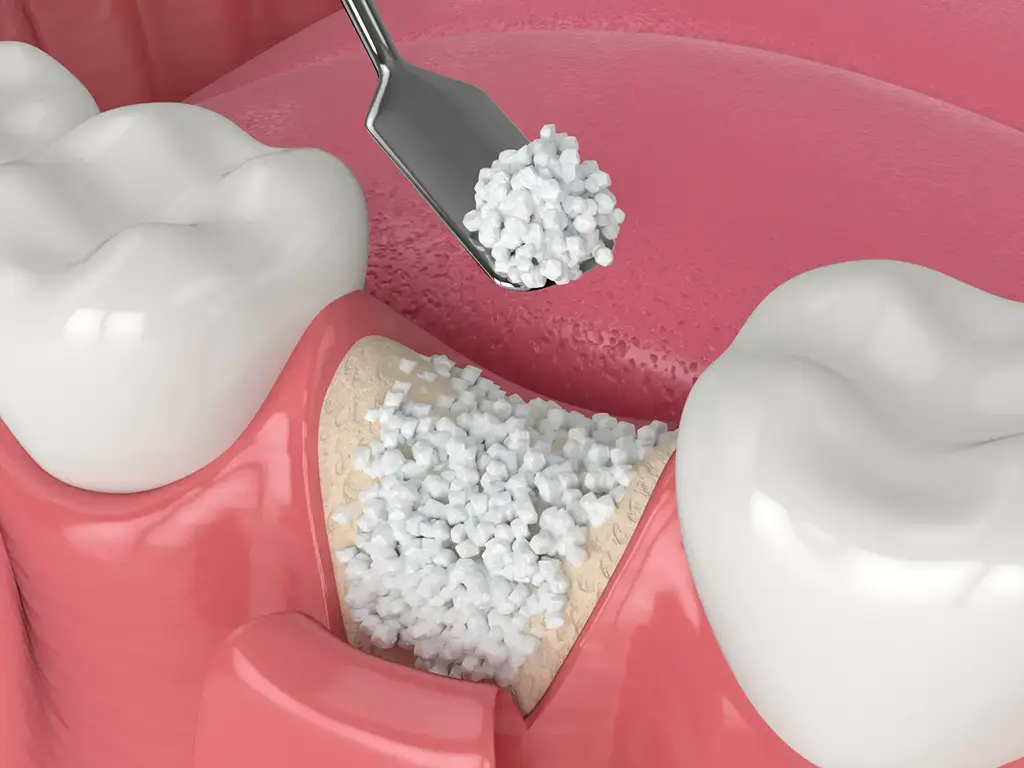
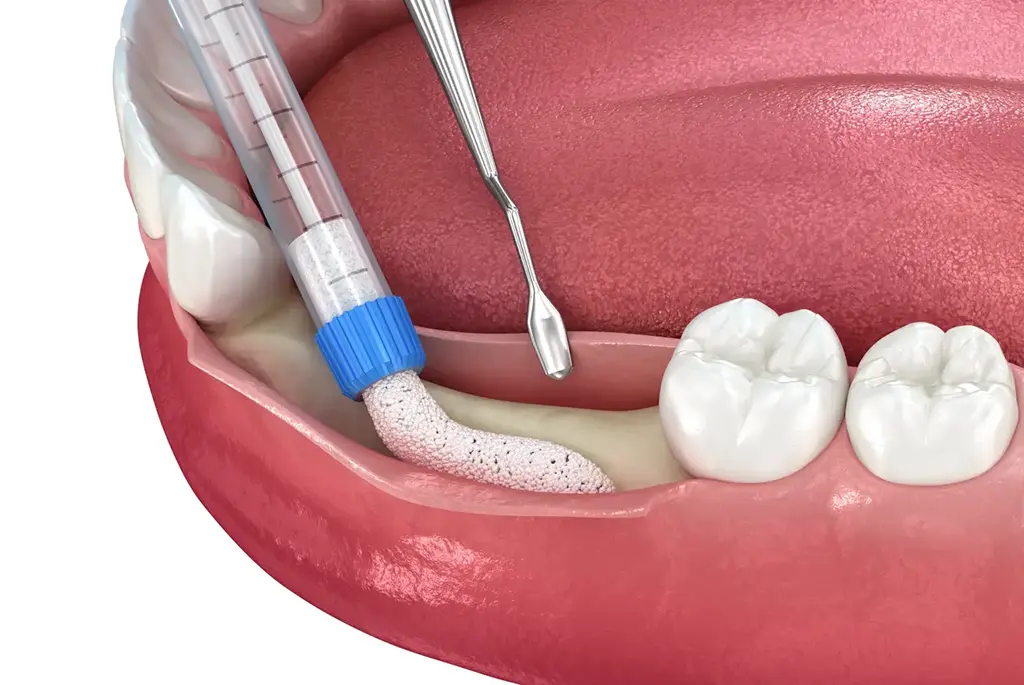
Bone grafting is a procedure used to restore lost or weakened jawbone by adding bone material to areas with insufficient density.
This material may come from synthetic sources or biocompatible materials that support natural bone regeneration.
Over time, the graft integrates with your existing bone, creating a stronger and more stable foundation.
Unlike leaving bone loss untreated, bone grafting:
- Supports future dental implant placement
- Prevents further bone deterioration
- Maintains facial structure
- Improves long-term oral stability
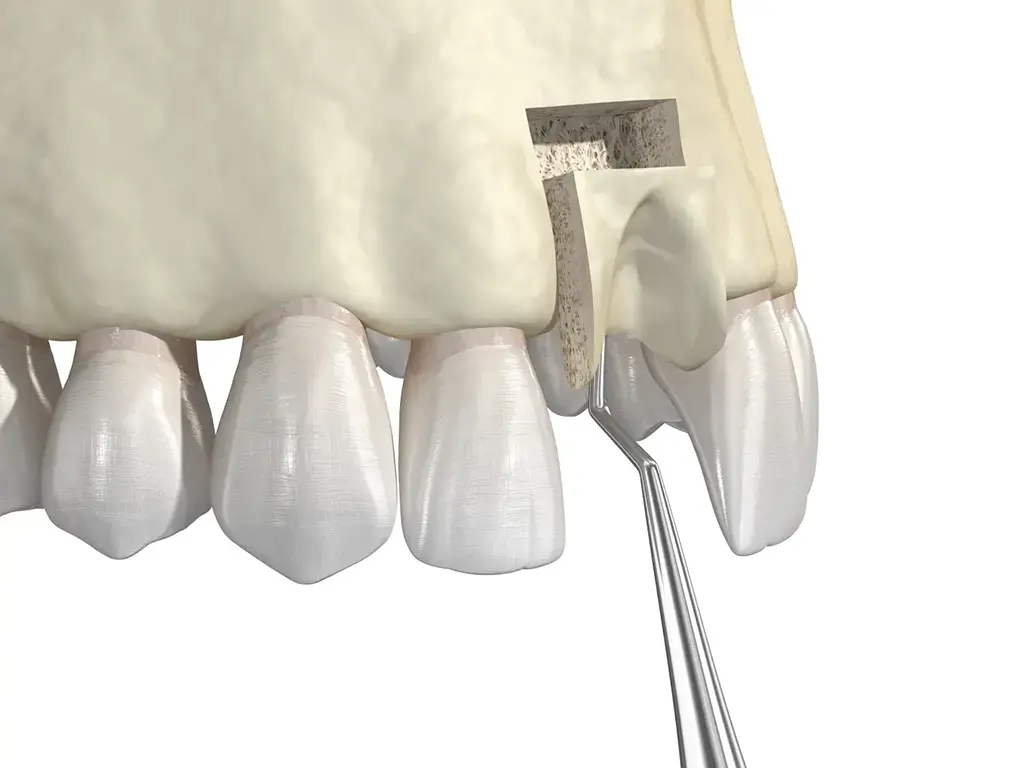
Advanced Technology for Precise Bone Grafting
Why Patients Trust Shifa Dental for Bone Grafting
Advanced Care with a Patient-Focused Approach
Successful bone grafting depends on proper diagnosis, surgical precision, and healing support. At Shifa Dental, every case is carefully evaluated and planned using advanced imaging and evidence-based protocols.
Patients choose us because we prioritize:
- Accurate assessment of bone deficiency
- Conservative, need-based treatment planning
- Strict sterilization and safety standards
- Use of high-quality grafting materials
- Clear communication and realistic expectations
Our goal is to rebuild strong, stable bone that supports long-term oral health and implant success.
Shifa Dental
Types of Bone Grafting We Offer
The Bone Grafting Process: Step-by-Step
Comprehensive Consultation
We perform a detailed exam with digital X-rays and CBCT imaging to assess bone density and structure.
Personalized Treatment Planning
A customized plan is created based on the location and severity of bone loss.
Bone Graft Placement
The graft material is carefully placed in the targeted area under local anesthesia.
Healing & Bone Regeneration (3–6 Months)
The graft integrates with your natural bone, rebuilding strength and volume.
Implant Placement (If Needed)
Once healing is complete, the area is ready for stable dental implant placement.
Benefits of Bone Grafting
Bone grafting provides both functional and structural benefits:
Who Is a Candidate for Bone Grafting?
You may qualify if you:
- Have experienced bone loss after tooth extraction
- Are planning for dental implants
- Have insufficient jawbone density
- Have gum disease-related bone loss
- Want to preserve bone after extraction
A consultation with 3D imaging will determine your suitability.
Aftercare for Long-Term Success
To support proper healing:
- Follow post-procedure instructions carefully
- Maintain good oral hygiene
- Avoid smoking
- Eat soft foods during initial healing
- Attend follow-up visits
Proper care ensures successful integration and long-term stability.
Safety & Success Rate
Bone grafting is a safe and predictable procedure when performed with proper planning and modern techniques.
While complications are rare, potential risks include:
- Infection
- Delayed healing
- Graft failure (uncommon)
- Swelling or discomfort
Advanced imaging and careful technique significantly reduce these risks.
When Bone Grafting Is Necessary
Bone grafting is recommended when there is not enough natural bone to support dental implants.
Common causes include:
- Tooth loss
- Gum disease
- Injury or trauma
- Long-term denture use
Early intervention helps preserve bone and improve treatment outcomes.
Bone Grafting Cost & Long-Term Value
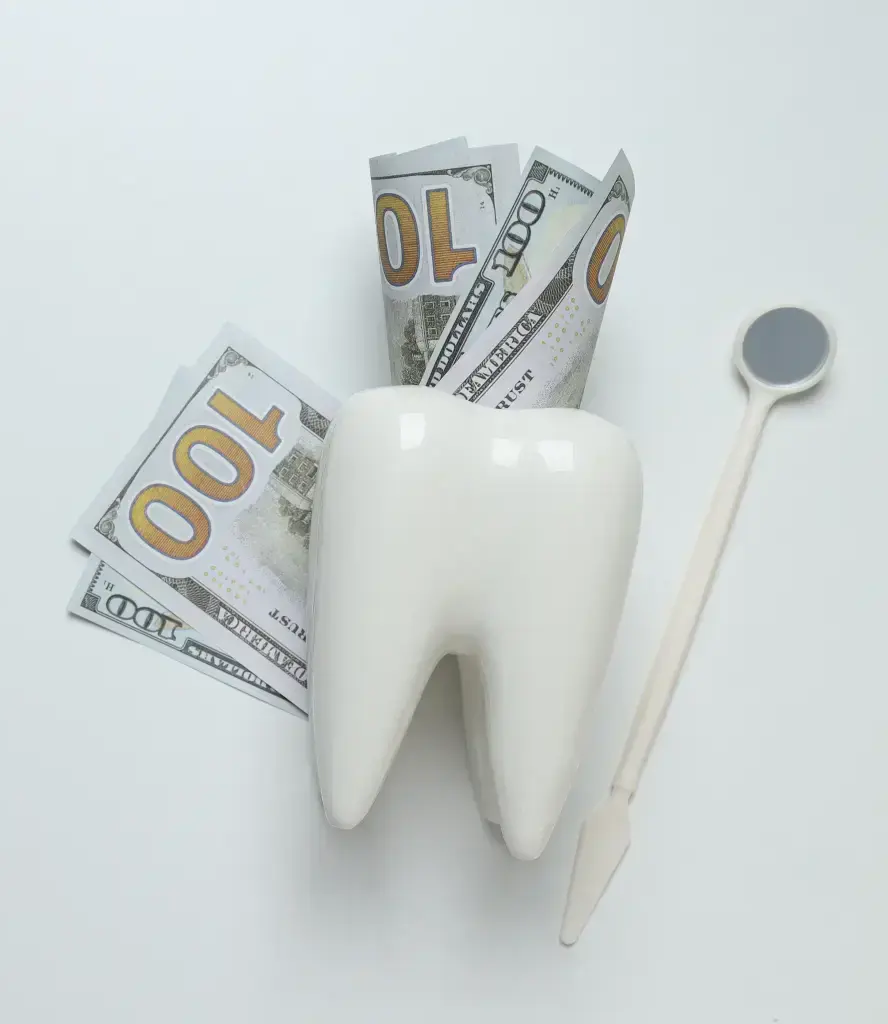
The cost of bone grafting varies depending on:
- Size of the graft
- Type of material used
- Complexity of the case
Although it adds to initial treatment cost, bone grafting improves implant success and long-term oral health, making it a valuable investment.
Frequently Asked Questions
Schedule Your Consultation
If you have been told you lack sufficient bone for dental implants, schedule your consultation today to explore your options.
Bone Grafting Treatment at Our Locations
Bone grafting services are available at both of our offices.