
Dental Implants
Permanent Tooth Replacement
Dental implants are widely considered one of the most reliable and long-lasting ways to replace missing teeth.
At Shifa Dental, every implant is carefully planned using advanced 3D imaging to ensure precise placement and long-lasting, natural-looking results
This page explains how dental implants work, what makes them successful long-term, and what factors influence treatment planning
What Are Dental Implants?
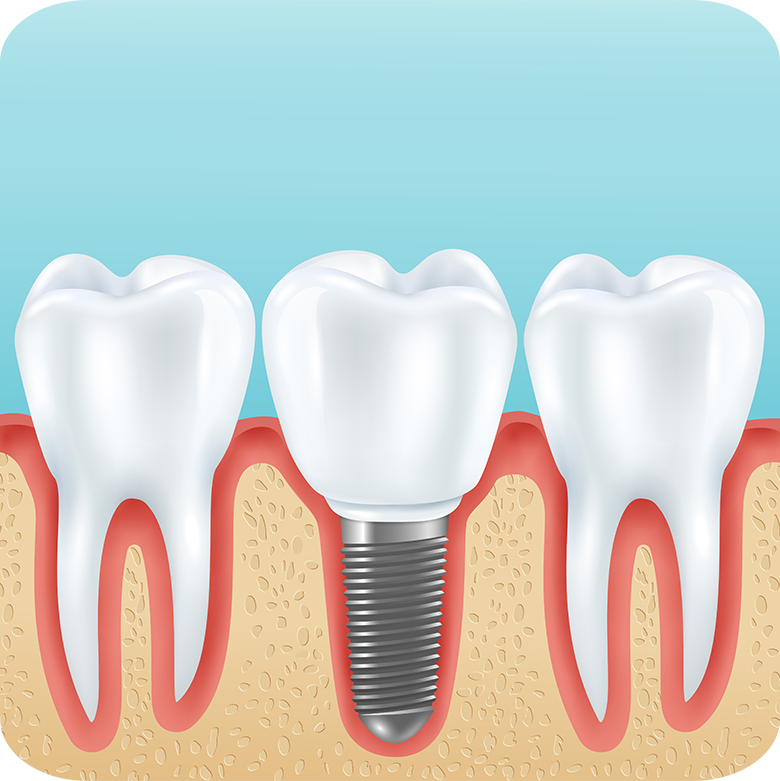
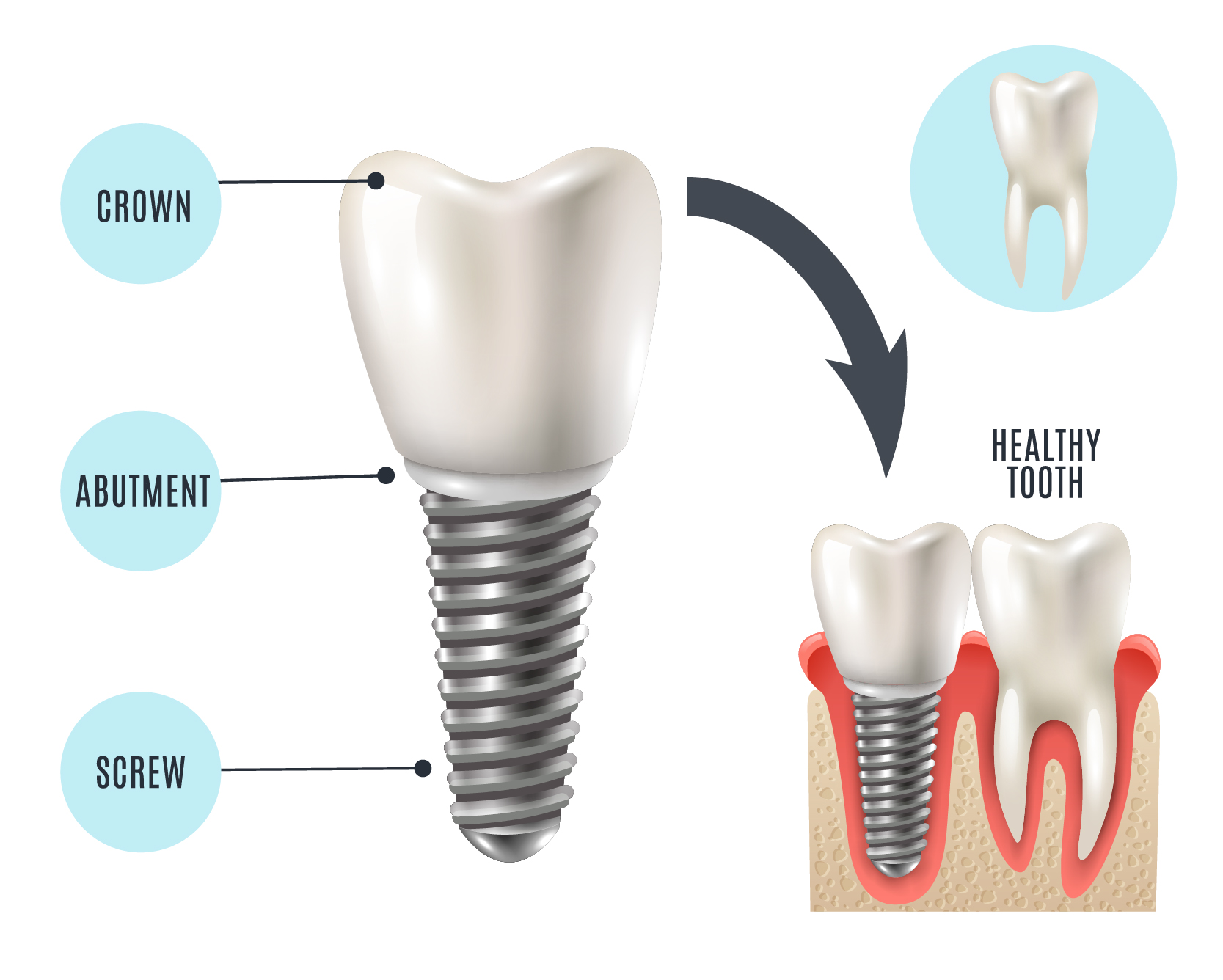
A dental implant is a small titanium post that replaces the root of a missing tooth. It is placed gently into the jawbone, where it heals and bonds naturally with the bone over time.
Once healed, a custom-made crown is attached on top, giving you a tooth that looks, feels, and functions like a natural one.
Unlike dentures or traditional bridges, dental implants are fixed in place. They do not move or slip — and they help protect your jawbone and facial structure long-term
Advanced Technology for Precise Implant Placement
Why Patients Trust Shifa Dental for Implant Treatment
Advanced Dentistry with a Human Touch
Successful implant treatment depends on precision, planning, and long-term stability. At Shifa Dental, every implant case is digitally evaluated and carefully planned using CBCT imaging and evidence-based surgical protocols.
Patients choose us because we prioritize:
- Digitally guided implant positioning
- Focus on bone preservation and load distribution
- Strict sterilization and infection-control standards
- Conservative, diagnosis-driven treatment planning
- Transparent cost discussions and realistic expectations
Our goal is not simply to place implants — but to provide predictable, long-term solutions that protect oral function and structural integrity.
Shifa Dental
Types of Dental Implants We Offer
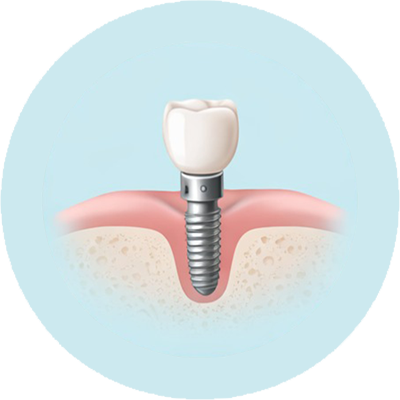
Single tooth implants
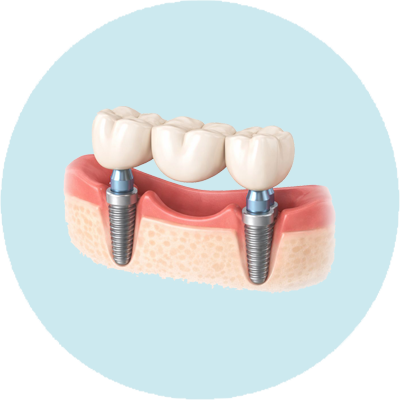
Implant-Supported Bridge
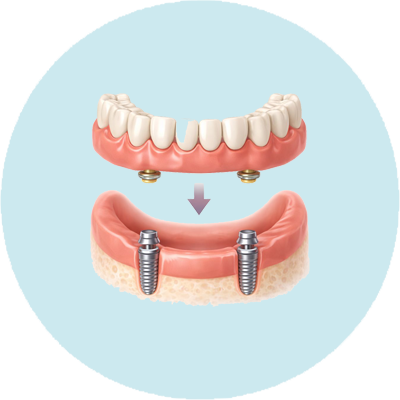
Implant-Supported Dentures
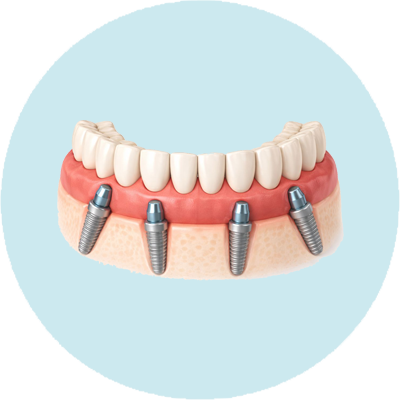
Full-Arch Dental Implants (All-on-4®)
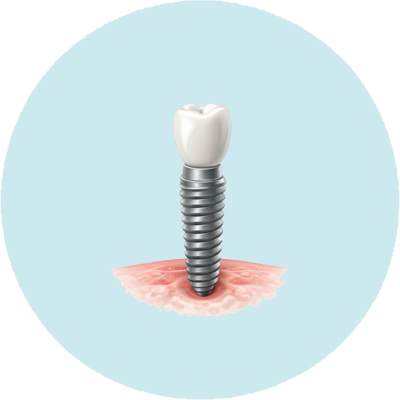
Mini Dental Implants
The Dental Implant Process: Step-by-Step
Comprehensive Consultation
We perform a detailed oral examination, digital X-rays, and CBCT imaging to assess bone density and gum health.
Personalized Treatment Planning
If necessary, procedures such as bone grafting may be recommended to ensure long-term implant success.
Implant Placement
Under local anesthesia, the titanium implant is placed into the jawbone. Most patients report minimal discomfort.
Healing & Osseointegration (3–6 Months)
The implant bonds naturally with your jawbone, forming a stable foundation.
Abutment & Crown Placement
A custom-made crown is attached, designed to match your natural teeth in size, shape, and color.
Benefits of Dental Implants
Dental implants offer both cosmetic and health advantages:
Who Is a Candidate for Dental Implants?
You may qualify if you:
- Are in good overall health
- Have healthy gums
- Have sufficient jawbone density
- Do not smoke (or are willing to quit)
- Practice good oral hygiene
Even if you have experienced bone loss, you may still qualify with bone grafting.
Aftercare for Long-Term Success
To maximize the lifespan of your dental implants:
- Brush twice daily with a soft-bristle toothbrush
- Floss daily
- Use antibacterial mouthwash if recommended
- Visit your dentist every six months
- Avoid smoking
With proper care, dental implants can last decades.

Safety & Success Rate
Dental implants have a success rate of over 95% when performed by trained professionals using modern diagnostic tools.
While complications are rare, potential risks include:
- Infection
- Delayed healing
- Implant failure
- Nerve irritation (very rare with proper planning)
Our advanced digital imaging significantly reduces surgical risk and enhances precision. Proper case selection, surgical planning, and patient compliance are critical factors in maintaining high long-term success rates.
When Bone Grafting May Be Necessary
Many patients who were previously told they were not candidates for implants may still qualify with proper bone augmentation and digital planning.
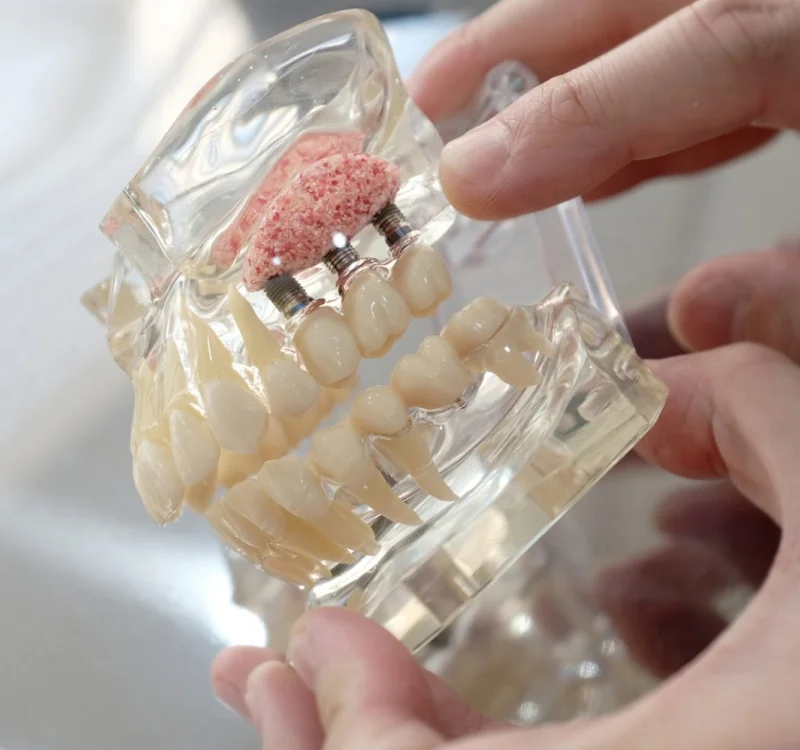
In cases where jawbone density is insufficient, bone grafting may be recommended prior to implant placement. This procedure rebuilds bone volume and enhances long-term implant stability.
CBCT imaging allows us to accurately assess bone quality and determine whether grafting is required before proceeding.
Dental Implant Cost & Long-Term Value
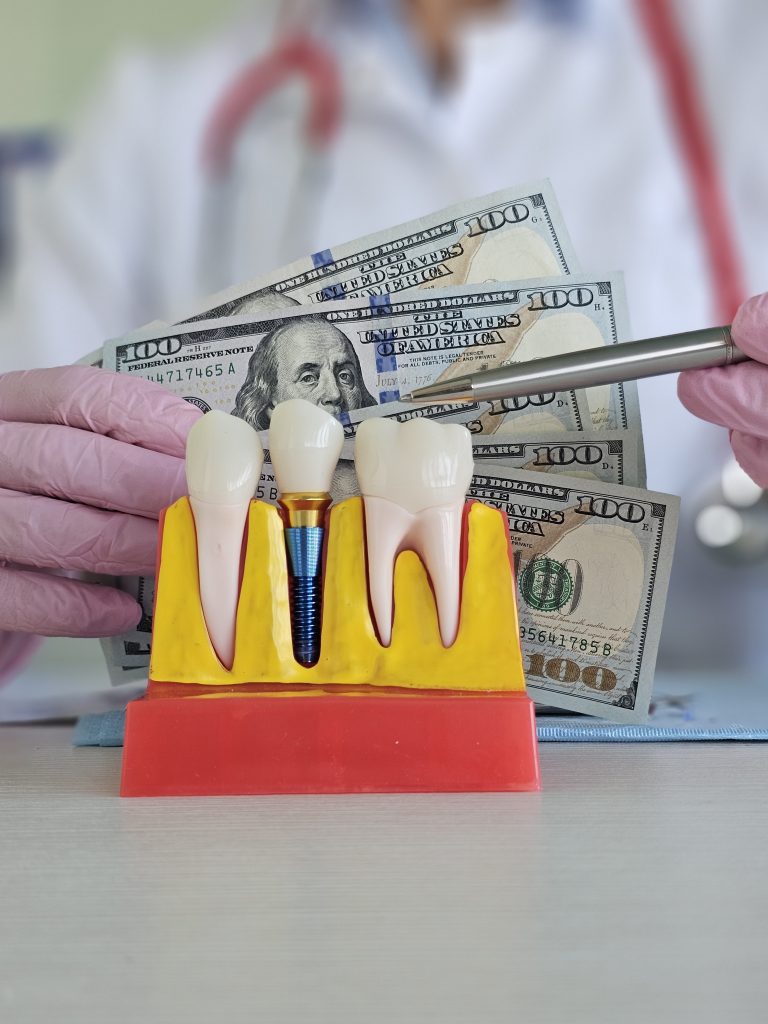
While dental implants require a higher initial investment than removable options, they are designed to last significantly longer. Their ability to preserve jawbone structure and prevent adjacent tooth damage often makes them the most cost-effective long-term solution.
Treatment cost varies based on:
- Number of implants
- Need for bone grafting
- Type of final restoration
A personalized consultation is required for accurate treatment planning and cost estimation.

Frequently Asked Questions
Schedule Your Dental Implant Consultation
If you are missing one or more teeth, schedule your implant consultation today to determine whether a permanent, stable solution is right for you.
Dental Implant Treatment at Our Locations
Dental implant services are available at both of our offices: