
Dental Crowns
Restore Strength and Protect Your Natural Teeth
Dental crowns are one of the most effective solutions for restoring damaged, weakened, or heavily decayed teeth while preserving their natural structure.
At Shifa Dental, every dental crown is carefully designed using advanced digital imaging and precision laboratory techniques to ensure a natural appearance, long-term durability, and optimal bite alignment.
This page explains how dental crowns work, when they are recommended, and what factors influence successful treatment outcomes.
What Are Dental Crowns?
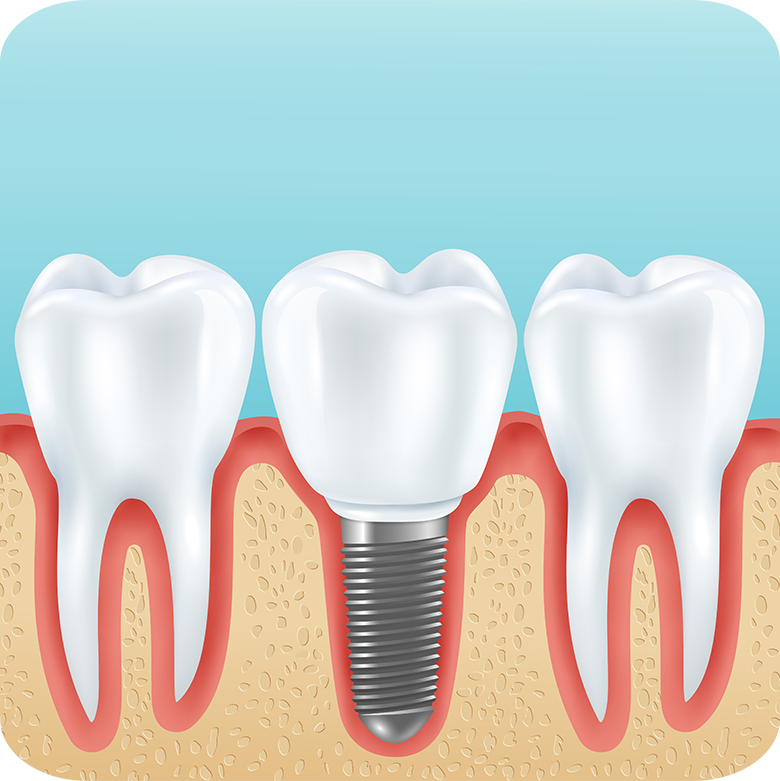
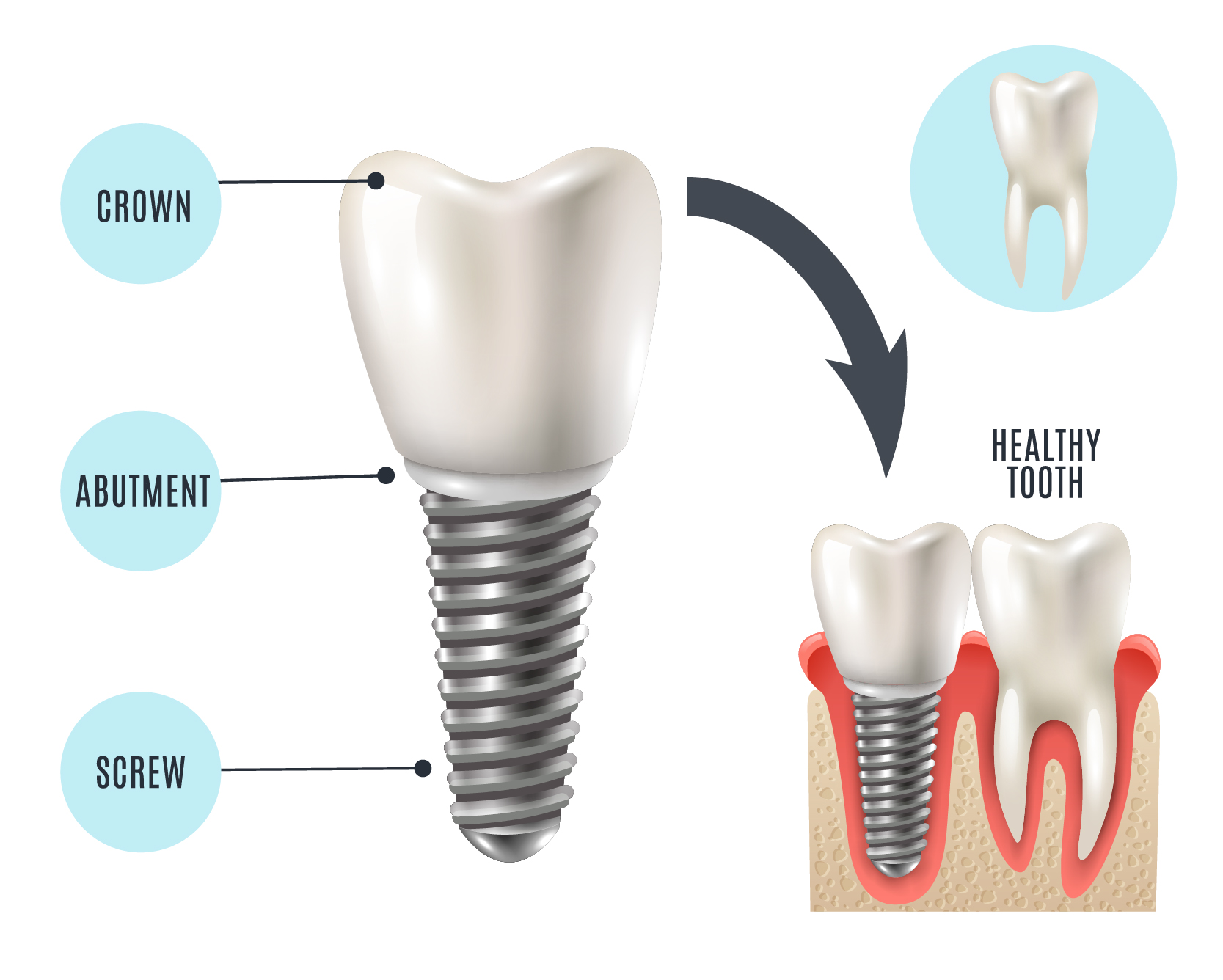
A dental crown is a custom-made cap that covers and protects a damaged or weakened tooth. It restores the tooth’s shape, strength, size, and appearance while preventing further damage.
Crowns are commonly recommended when a tooth cannot be restored with a simple filling due to structural weakness.
Once placed, the crown fully encases the visible portion of the tooth above the gumline, providing long-term protection and function.
Unlike removable restorations, dental crowns are permanently fixed in place, allowing patients to eat, speak, and smile comfortably.
Advanced Technology for Precise Crown Design
Why Patients Trust Shifa Dental for Crown Treatment
Advanced Dentistry with a Human Touch
Successful crown restorations require careful diagnosis, precise tooth preparation, and high-quality materials. At Shifa Dental, every crown treatment is planned with a focus on preserving natural tooth structure while restoring long-term function.
Patients choose us because we prioritize:
- Digitally guided crown design
- Conservative tooth preparation techniques
- High-quality dental materials
- Strict sterilization and infection-control protocols
- Diagnosis-driven treatment planning
- Transparent cost discussions and realistic expectations
Our goal is not simply to restore a tooth — but to protect long-term oral health and structural integrity.
Shifa Dental
Types of Dental Crowns We Offer
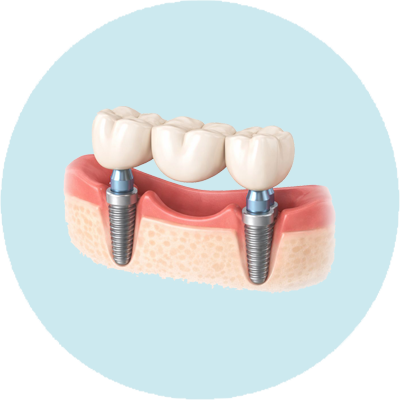
Porcelain Crowns
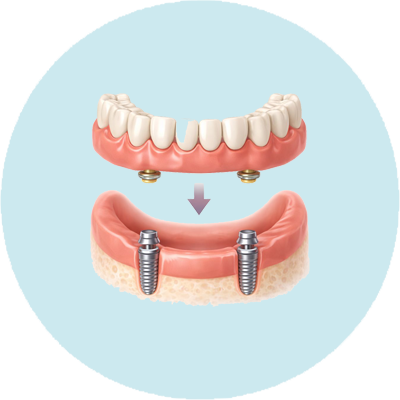
Porcelain-Fused-to-Metal Crowns (PFM)
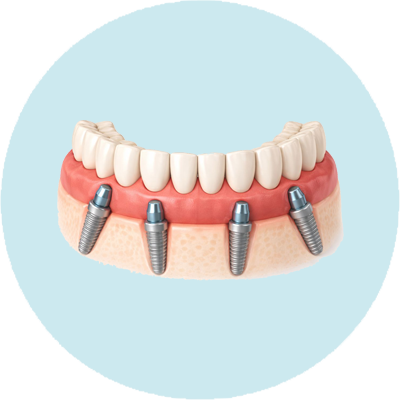
Zirconia Crowns
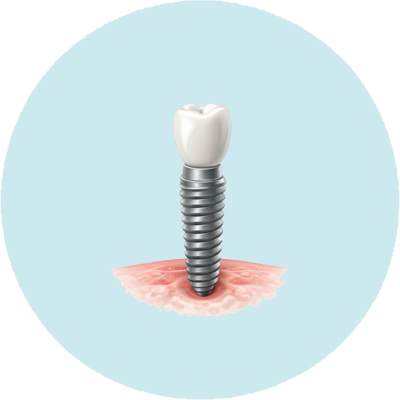
Metal Crowns
Same-Day Crowns (In Select Cases)
The Dental Crown Process: Step-by-Step
Comprehensive Examination
We perform a detailed oral evaluation along with digital X-rays to assess tooth structure and determine whether a crown is necessary.
Tooth Preparation
The damaged or decayed portion of the tooth is carefully removed, and the tooth is shaped to support the crown.
Digital Impressions
Precise impressions are taken to ensure your crown fits comfortably and aligns properly with your bite.
Temporary Crown Placement
A temporary crown is placed to protect the prepared tooth while the final crown is fabricated.
Permanent Crown Placement
Your custom crown is securely bonded to the tooth, restoring strength, function, and appearance.
Benefits of Dental Crowns
Dental crowns offer both functional and cosmetic benefits:
Who Is a Candidate for Dental Crowns?
You may benefit from a dental crown if you:
- Have a cracked or fractured tooth
- Have a tooth with a large filling
- Have undergone root canal treatment
- Have severe tooth decay
- Want to improve the appearance of a damaged tooth
- Need to restore a worn-down tooth
A dental examination is required to determine whether a crown is the most appropriate treatment.
Aftercare for Long-Term Success
To extend the lifespan of your dental crown:
- Brush twice daily
- Floss daily around the crown
- Avoid biting extremely hard objects
- Maintain regular dental checkups every six months
- Use a night guard if recommended for teeth grinding
With proper care, dental crowns can last 10–15 years or longer.

Safety & Longevity
Dental crowns are considered a safe and highly predictable restorative treatment.
When placed properly and maintained with good oral hygiene, crowns can provide long-term protection for damaged teeth.
While complications are uncommon, potential issues may include:
- Crown loosening
- Tooth sensitivity
- Wear over time
- Chipping in porcelain restorations
Regular dental checkups help ensure long-term success.
When a Crown Is Necessary After Root Canal Treatment
Teeth that have undergone root canal therapy often become more fragile due to loss of internal tooth structure.
A dental crown is typically recommended after root canal treatment to reinforce the tooth and prevent fractures.
By covering the entire tooth, the crown distributes chewing forces evenly and improves long-term durability.

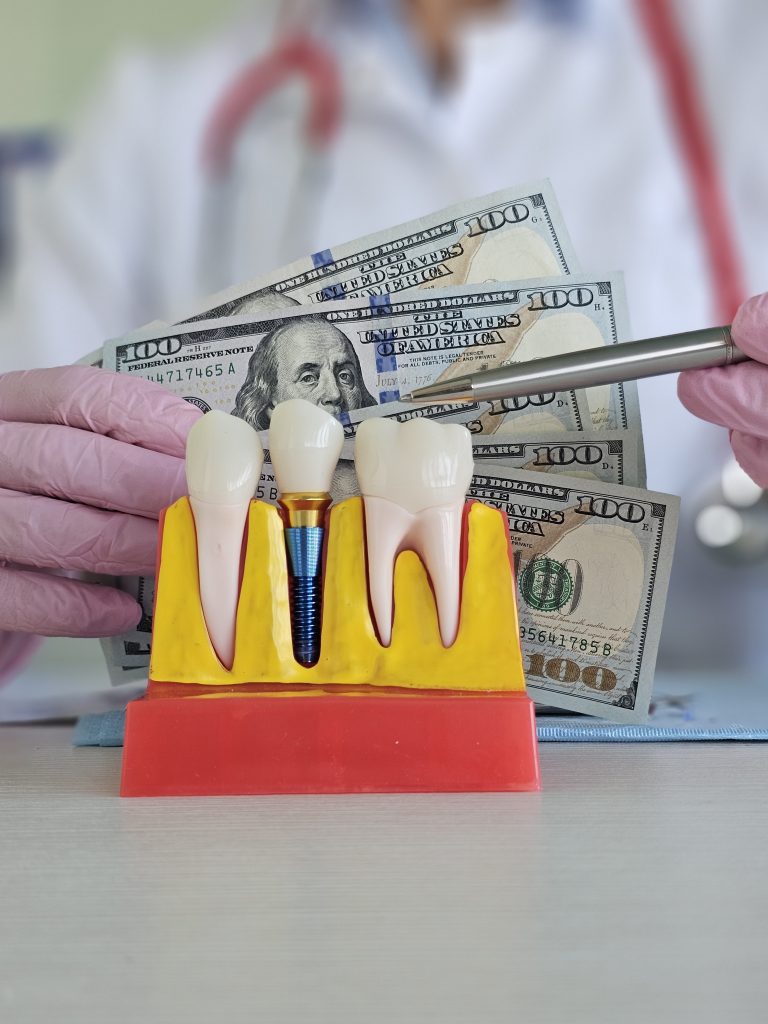
Dental Crown Cost & Long-Term Value
Dental crowns are an investment in protecting and preserving your natural teeth.
While costs vary depending on the material used and treatment complexity, crowns often prevent the need for more extensive procedures such as tooth extraction or implants.
Treatment cost may vary based on:
- Type of crown material
- Tooth location
- Laboratory fabrication requirements
- Additional procedures if needed
A personalized consultation is required to determine the most appropriate treatment and cost estimate.

Frequently Asked Questions
Schedule Your Dental Crown Consultation
If you have a damaged, weakened, or heavily decayed tooth, a dental crown may be the ideal solution to restore strength and protect your smile.
Dental Crown Treatment at Our Locations
Dental crown services are available at both of our offices: