



A tooth cavity typically doesn’t heal on its own. A tiny filling could someday become a much bigger tooth issue if decay keeps spreading. Early examination may make treatment easier and may preserve more of your original tooth.
Dental fillings in Plano, TX are frequently used to repair teeth with minimal damage and cavities. Patients can have an evaluation at Shifa Dental to determine whether a filling is necessary and which material might work best for their needs, the tooth, and its location. Filling a hole isn’t the only objective. It will help you chew more easily by removing damaged tooth structure and restoring the tooth’s form.
What Is an Affordable Dental Filling in Plano?
After a dentist removes decayed or damaged tissue from a tooth, a substance called a dental filling is inserted. A portion of the tooth’s natural structure is restored, and the treated region is closed by the filling.
Consider it similar to fixing a minor area of damage rather than letting the issue worsen. When necessary, the dentist may take dental X-rays after first examining the tooth. Before the filling material is applied, the damaged area is carefully removed if rot is evident.
Additionally, fillings can fix damaged regions or minor fractures. They aren’t appropriate for all broken teeth, tho. A dentist considers the amount of healthy tooth remaining, as well as the pressure biting places on the tooth, before performing an affordable dental filling procedure in Plano.
Signs You May Need a Dental Filling
While some cavities are discovered during a basic dental examination, others create obvious symptoms. For this reason, even if your teeth feel good, routine examinations are still important.

You might need to have a tooth checked if you notice:
- Sensitivity to hot, cold, sweet, or acidic foods
- A visible dark spot or hole
- Food repeatedly getting trapped between teeth
- Mild toothache or discomfort while chewing
- Roughness or an unusual area on the tooth
- A filling that has cracked, fallen out, or feels loose
A symptom doesn’t always mean you need a filling. Tooth sensitivity, for example, can have several causes. Your dentist can identify what’s actually happening rather than treating only the symptom.
Types of Dental Fillings in Plano
Every filling has a unique appearance and texture. Dentists have a variety of materials at their disposal, and the ideal option is determined by the tooth and the location and size of the cavity.
1- Composite Resin Fillings
Tooth-colored resin is used to create composite fillings. Because the material can be matched rather closely to the natural tint of your teeth, they are very popular. Although they can be positioned elsewhere when necessary, they are frequently used for visible teeth. The dentist can rebuild the tooth while keeping it looking more natural thanks to composite material.
2- Amalgam Fillings
For many years, amalgam has been utilized as a silver-colored filling substance. It has long been used on back teeth, which can withstand high chewing pressure. Your dentist can explain alternative solutions and explore if amalgam is suitable for your circumstances.
3- Ceramic and Other Materials
Ceramic or other specialty materials may be used in certain restorations. This is when a greater restoration is required or when durability and attractiveness are crucial considerations.
The most costly material isn’t always the best one. Your dentist should take into account the condition, location, bite, appearance, and long-term requirements of the tooth.
What Happens During a Dental Filling?
Many people imagine a filling appointment as a long, uncomfortable procedure. In reality, a routine filling is often fairly straightforward.
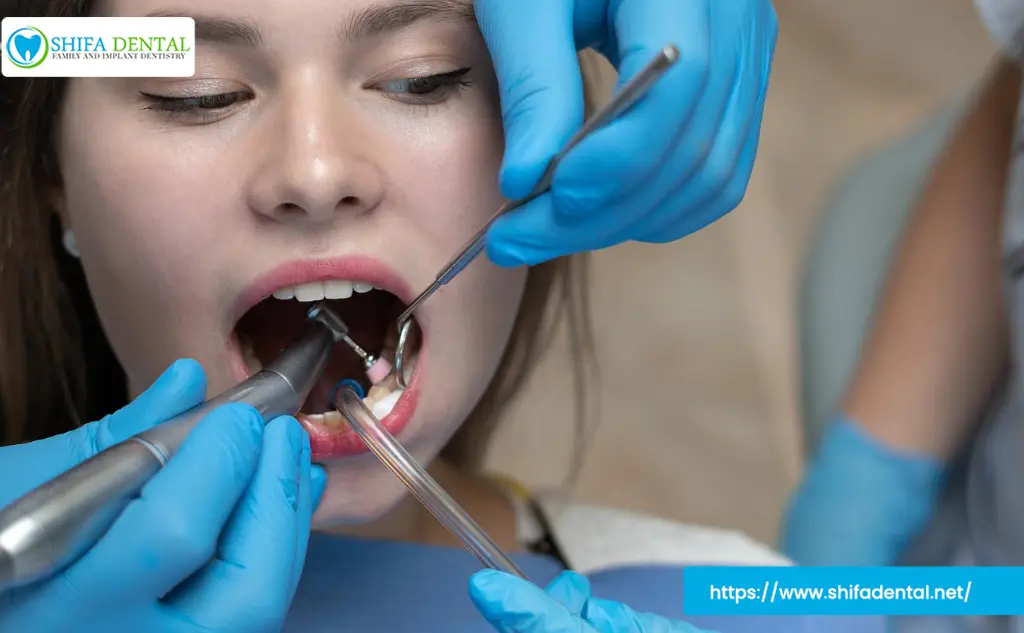
The dentist first examines the tooth and determines the extent of the decay. Local anesthesia may be used to keep the area comfortable during treatment.
Once the tooth is numb, the dentist removes the decayed portion. The space is then cleaned before the selected filling material is placed. With a composite material, the dentist typically builds the filling in layers and hardens it with a curing light.
The final step involves checking the shape and bite. Your dentist may make small adjustments so the restored tooth doesn’t feel too high when you close your mouth.
You may feel some pressure during the appointment, but you shouldn’t have to tolerate significant pain. If you’re uncomfortable, let your dental team know.
How to Care for a Tooth After a Filling?
After treatment, your tooth may feel a little different for a short while. Some people have transient sensitivity, especially to cold meals or beverages. Observe the guidelines your dentist has given you. Take caution when eating if your mouth is still numb to avoid biting your lip, tongue, or cheek.
Unless your dentist instructs you otherwise, resume regular brushing and flossing once the numbness subsides. Maintaining proper daily hygiene can help stop new cavities from developing in your mouth or around the restored tooth.
A few simple habits can also help:
- Brush twice a day with fluoride toothpaste.
- Clean between your teeth every day.
- Limit frequent sugary snacks and drinks.
- Drink water regularly.
- Keep your routine dental appointments.
You don’t need to change your lifestyle completely. Small, consistent habits are often easier to maintain.
Why Choose Shifa Dental for Cavity Treatment?
Selecting a dentist involves more than just locating the nearest practice. You want a dental team that will listen to your concerns, explain the course of treatment, and help you understand your options. Shifa Dental provides a variety of general and restorative dental services to individuals in the Plano region. Based on each patient’s unique dental needs, the office offers treatment choices with an emphasis on patient-centered care.
Before your appointment, let the team know if you’re anxious about receiving dental care. It can be considerably less stressful if you know what is about to happen. Inquire about the filling substance, treatment procedure, anticipated sensitivity, and future care during your visit. After a successful visit to the dentist, you should understand the rationale for the recommended course of action.
Affordable Dental Fillings in Plano
You might think you can wait another month to treat a little cavity. When life is hectic and the tooth isn’t causing any trouble, that makes sense. Make an appointment for an examination with Shifa Dental if you have sensitivity, a visible spot, food getting stuck around a tooth, or an inexplicable toothache. Dental fillings in Plano can repair decayed teeth so you can resume eating and smiling comfortably.
During your visit, inquire about treatment alternatives and payment considerations if cost is a concern. Before making a choice, those searching for reasonably priced dental fillings in Plano, Texas, should have access to accurate information.
It is usually advisable to treat a cavity before it becomes an emergency. You can find out what’s actually wrong and what to do next with a brief dental examination.
FAQ‘s:
The lifespan of a filling varies based on the material, location, size, oral hygiene, chewing habits, and other factors. Regular dental visits help your dentist monitor the restoration and identify signs of wear.
Your dentist will tell you when it’s safe to eat based on the type of filling and anesthesia used. If your mouth is numb, wait until the sensation returns before eating foods that could cause you to bite your cheek or tongue.
Composite fillings can provide a natural-looking appearance and are commonly used when aesthetics matter. Your dentist can determine whether composite is suitable based on the tooth and extent of the decay.
Brush twice daily with fluoride toothpaste, clean between your teeth every day, limit frequent sugary foods and drinks, and keep up with dental checkups. Your dentist can also recommend additional steps if you’re at higher risk for cavities.