
Root Canal Therapy
Save Your Natural Tooth and Relieve Pain
If you are searching for root canal treatment near me, we provide comfortable, high-quality care to relieve pain and restore your oral health.
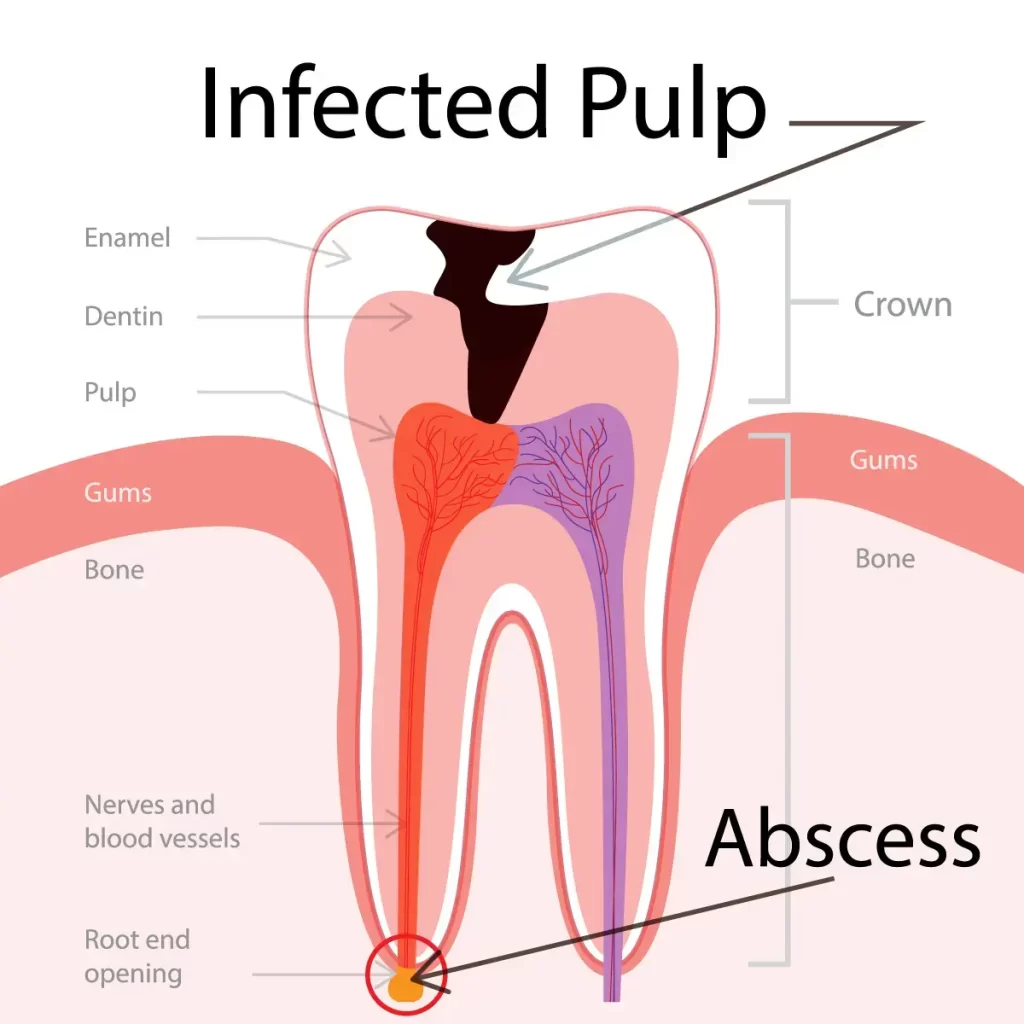
What Is Root Canal Therapy?
Root canal therapy is a dental procedure used to remove infected or damaged tissue from inside a tooth.
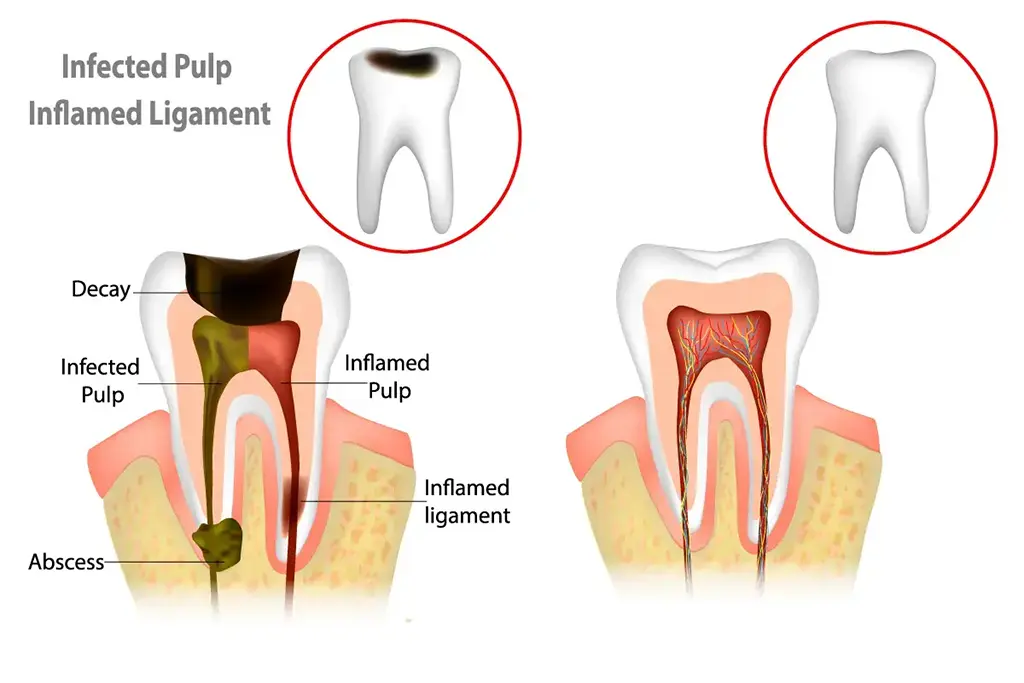
Inside every tooth is a soft tissue called pulp, which contains nerves and blood vessels. When bacteria reach this area due to deep decay, trauma, or cracks in the tooth, it can cause severe pain and infection.
During root canal treatment:
- The infected pulp is removed
- The inner root canals are cleaned and disinfected
- The tooth is sealed to prevent future infection
Once treated, the tooth is restored with a filling or crown so it can continue functioning normally.
Unlike tooth extraction, root canal therapy preserves the natural tooth structure and prevents shifting of surrounding teeth.
Advanced Technology for Accurate Diagnosis
Why Patients Trust Shifa Dental for Root Canal Treatment
Advanced Dentistry with a Human Touch
Successful root canal therapy requires accurate diagnosis, careful treatment planning, and precise cleaning of the root canal system. At Shifa Dental, each case is carefully evaluated using digital imaging and evidence-based endodontic protocols.
Patients choose us because we prioritize:
- Precise diagnosis of tooth infections
- Conservative tooth preservation whenever possible
- Strict sterilization and infection-control standards
- Careful root canal cleaning and sealing techniques
- Transparent treatment discussions and realistic expectations
Our goal is not simply to treat pain — but to preserve natural teeth whenever possible while protecting long-term oral health.
Shifa Dental
Conditions Treated with Root Canal Therapy
Root canal therapy helps remove infection while preserving the natural tooth structure.
The Root Canal Treatment Process: Step-by-Step
Comprehensive Examination
A detailed oral examination and digital X-rays help identify infection and determine the number of root canals in the tooth.
Removal of Infected Tissue
The infected pulp is carefully removed, and the internal canals are cleaned and disinfected.
Root Canal Shaping and Sealing
The canals are shaped and sealed with a specialized biocompatible material to prevent bacterial reinfection.
Tooth Restoration
The treated tooth is restored with a dental filling or crown to strengthen the tooth and restore normal function.
Follow-Up Evaluation
Regular follow-up appointments ensure the tooth heals properly and remains infection-free.
Benefits of Root Canal Therapy
Root canal treatment provides both health and functional benefits:
Most patients experience significant relief once the infected pulp has been removed.
Who Is a Candidate for Root Canal Therapy?
You may require root canal therapy if you:
- Experience severe tooth pain
- Have deep tooth decay
- Notice prolonged sensitivity to hot or cold
- Have swelling or tenderness in the gums
- Develop a dental abscess
- Have tooth discoloration from pulp damage
Even teeth that appear severely infected can often be saved with proper root canal treatment.
Aftercare for Long-Term Success
To maintain the health of a root canal-treated tooth:
- Brush twice daily with fluoride toothpaste
- Floss daily
- Attend routine dental checkups
- Avoid chewing extremely hard foods
- Maintain good oral hygiene habits
With proper care, a tooth treated with root canal therapy can function normally for many years.

Safety & Success Rate
Root canal therapy is a highly predictable procedure with a success rate exceeding 90% when performed using modern techniques.
Potential risks are uncommon but may include:
- Persistent infection
- Root canal retreatment
- Cracks in the treated tooth
- Temporary sensitivity after treatment
Advanced diagnostic imaging and precise treatment techniques significantly reduce these risks. Proper treatment planning and patient compliance are key factors in long-term success.
When Additional Treatment May Be Necessary
In some cases, additional procedures may be required after root canal therapy.
Examples include:
- Placement of a protective dental crown
- Treatment of additional infected canals
- Root canal retreatment if infection returns
These procedures help strengthen the tooth and ensure long-term function.

Root Canal Therapy Cost & Long-Term Value
Root canal therapy allows patients to save their natural teeth, which often makes it a more beneficial long-term solution than extraction.
Treatment cost varies based on:
- Location of the tooth
- Complexity of the root canal system
- Need for a crown after treatment
- Severity of infection
A personalized consultation allows us to determine the most appropriate treatment plan and cost estimate.

Frequently Asked Questions
Schedule Your Root Canal Consultation
If you are experiencing severe tooth pain or infection, schedule a consultation to determine whether root canal therapy can save your tooth.
Root Canal Treatment at Our Locations
Root canal therapy is available at both of our dental offices, providing advanced care designed to preserve natural teeth and restore oral health.