
Dental Extractions
Safe & Comfortable Tooth Removal
Dental extractions are sometimes necessary to protect your oral health and relieve pain caused by damaged, infected, or overcrowded teeth. At Shifa Dental, our experienced and affordable dentist team provides safe, gentle, and stress-free tooth extractions using advanced digital imaging and modern dental techniques.
If you are searching for emergency tooth extraction near me, we are here to help with compassionate care and personalized treatment plans.
What Are Dental Extractions?
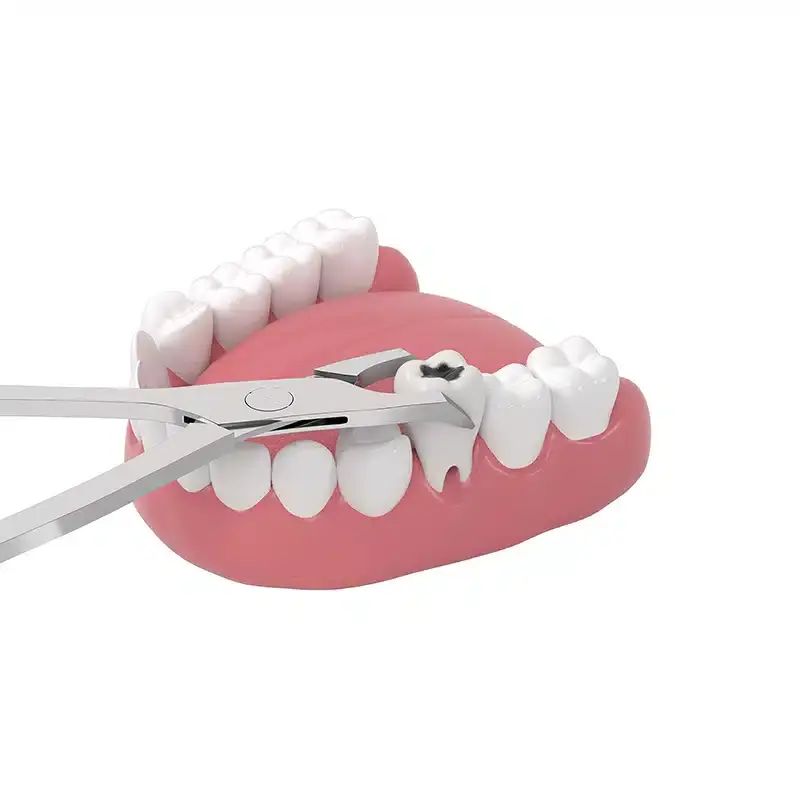
A dental extraction is a procedure in which a tooth is carefully removed from its socket in the jawbone. It is recommended when a tooth is severely decayed, infected, damaged beyond repair, or causing crowding or pain.
The procedure is performed gently using local anesthesia to ensure your comfort. In some cases, such as impacted or broken teeth, a surgical extraction may be required to safely remove the tooth.
Unlike treatments that restore a tooth, an extraction removes the source of infection or discomfort to protect your overall oral health. If you are searching for dental extraction near me, professional tooth extraction treatment can help relieve pain and prevent further dental complications. When necessary, your dentist may also recommend tooth replacement options to maintain your bite, jawbone health, and facial structure long-term.
Advanced Technology for Safe & Precise Dental Extractions
Why Patients Trust Shifa Dental for Dental Extractions
Advanced Dentistry with a Human Touch
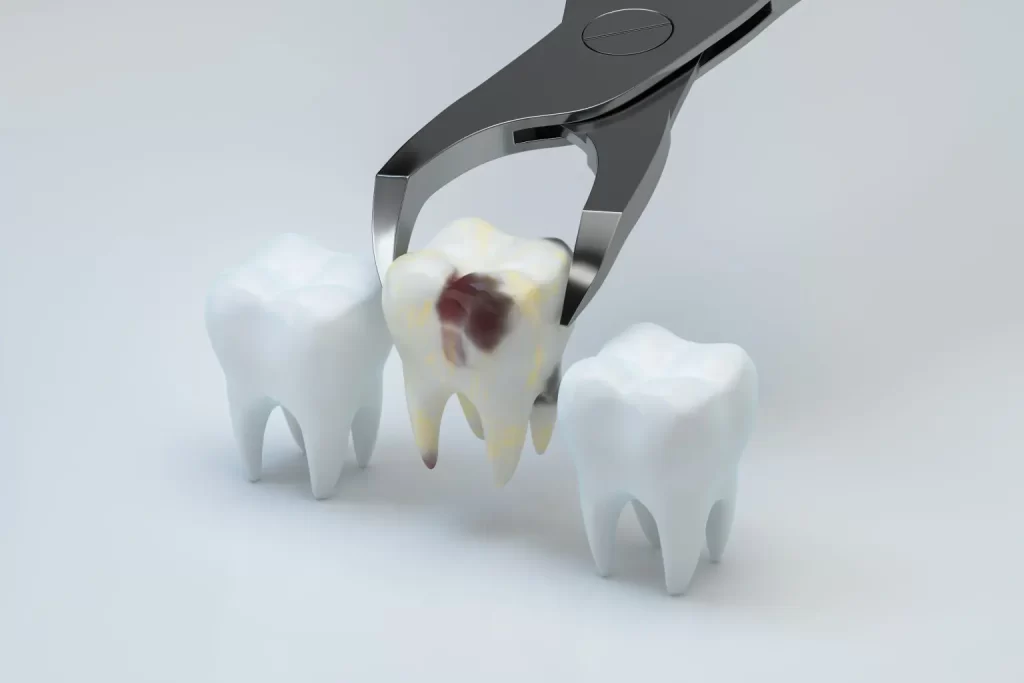
Successful dental extractions depend on accurate diagnosis, careful planning, and patient comfort. At Shifa Dental, every extraction case is thoroughly evaluated and carefully planned using digital imaging and evidence-based clinical protocols.
- Patients choose us because we prioritize:
- Digitally guided evaluation for precise tooth removal
- Focus on bone preservation and gentle tissue handling
- Strict sterilization and infection-control standards
- Conservative, diagnosis-driven treatment planning
- Transparent cost discussions and realistic expectations
Our goal is not simply to remove a tooth — but to protect your overall oral health, ensure comfortable healing, and support long-term function and structural stability.
Types of Dental Extractions We Offer
The Dental Extraction Process: Step-by-Step
Comprehensive Consultation
We perform a detailed oral examination and digital X-rays to evaluate the affected tooth, surrounding bone, and gum health.
Personalized Treatment Planning
If necessary, we discuss sedation options and review any medical considerations to ensure a safe and comfortable procedure.
Tooth Removal
Under local anesthesia, the tooth is gently removed. For more complex cases, a surgical approach may be used to safely access the tooth. Most patients report minimal discomfort.
Healing & Recovery (1–2 Weeks)
The area begins to heal as a blood clot forms in the socket. We provide detailed aftercare instructions to promote smooth healing and reduce the risk of complications.
Follow-Up & Tooth Replacement Options
Once healing is complete, we may discuss options such as dental implants, bridges, or partial dentures to restore function, maintain alignment, and protect long-term oral health.
One-Day Dental Extractions (Same Day Extractions)
Benefits of Dental Extractions
Dental extractions provide both immediate relief and long-term oral health benefits:
Who Is a Candidate for Dental Extractions?
You may need a dental extraction if you:
- Have a severely decayed or damaged tooth that cannot be restored
- Have advanced gum disease affecting tooth stability
- Have an infected tooth that does not respond to root canal treatment
- Have impacted wisdom teeth causing pain or swelling
- Need to create space for orthodontic treatment
- Experience dental trauma resulting in a non-restorable tooth
Even if you have medical conditions, most patients can safely undergo an extraction with proper evaluation and treatment planning.
Aftercare for Proper Healing
To promote smooth recovery after a dental extraction:
- Bite gently on gauze to control bleeding
- Avoid smoking and using straws for several days
- Eat soft foods and avoid chewing near the extraction site
- Keep the area clean while avoiding vigorous rinsing for the first 24 hours
- Take prescribed medications as directed
- Visit your dentist for follow-up if recommended
With proper care, most extraction sites heal comfortably within one to two weeks.

Safety & Success Rate
Dental extractions are highly safe and routine procedures when performed by trained dental professionals using modern diagnostic tools.
While complications are uncommon, potential risks may include:
- Infection
- Delayed healing
- Dry socket
- Temporary swelling or discomfort
- Nerve irritation (rare and minimized with proper planning)
Our advanced digital imaging and careful clinical evaluation significantly reduce procedural risks and improve overall safety. Proper diagnosis, gentle technique, and patient compliance with aftercare instructions are critical factors in ensuring smooth healing and successful outcomes.
When Additional Procedures May Be Necessary
Many patients who require dental extractions may also need supportive procedures to protect long-term oral health and function.
In cases where infection has affected the surrounding bone, or when future tooth replacement is planned, socket preservation (bone grafting after extraction) may be recommended. This procedure helps maintain bone volume and supports better healing and future restorative options.
Digital imaging allows us to accurately evaluate bone condition, root position, and proximity to nerves or sinuses to determine whether additional treatment is necessary before or after the extraction procedure.
Dental Extraction Cost & Long-Term Value
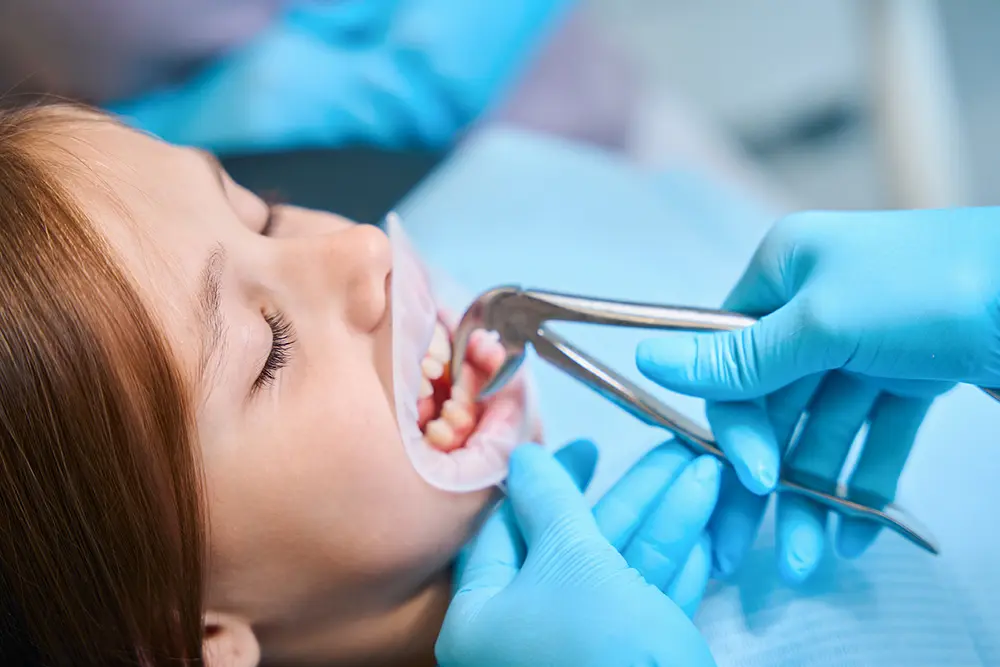
While dental extractions are generally more affordable than restorative procedures, the total cost can vary depending on the complexity of the case. Removing a severely infected or damaged tooth can help prevent more extensive and costly dental problems in the future.
Treatment cost varies based on:
- Type of extraction (simple or surgical)
- Position of the tooth
- Need for sedation
- Need for socket preservation (bone grafting)
- Follow-up care or future tooth replacement planning
A personalized consultation is required for accurate diagnosis, treatment planning, and cost estimation.

Frequently Asked Questions
Schedule Your Dental Extraction Consultation
If you are experiencing tooth pain, infection, or have been advised that a tooth cannot be saved, schedule your extraction consultation today to determine the safest and most comfortable treatment option for you.
Dental Extraction Treatment at Our Locations
Dental extraction services are available at both of our offices: